
Call For estimate
Glass Railings
Black Aluminum Railings
Dark & Light Wood Railings
Aluminum Railings
Call (561)672-0717

Knee Wall Railings
Fascia Mount Railings
Indoor Stair & Surface Mount Railings
Outdoor Stair & Surface Mount Railings
Handrails
Standoff-Pins Glass Railing Systems
Glass Railing Post Systems

Florida Pool Fence Law (Chapter 515): Is Your Barrier Up to Code?
Florida has the highest rate of child drownings in the country. Kids are naturally drawn to water, and a backyard pool can become dangerous in seconds. That's why the state passed the Residential Swimming Pool Safety Act, now part of Chapter 515 of the Florida Statutes.
If you own a pool or are planning to install one, you need to understand these regulations. You can't get a building permit for a new pool unless your plans show you're meeting all the barrier requirements. This guide breaks down what you need to know to make sure your property is compliant.
What the Law Actually Requires
The law gives you a few options: install an approved safety cover, add alarms to doors and windows near the pool, or build a fence around the perimeter. Most homeowners choose fencing because it provides constant protection without relying on systems that could malfunction.
A compliant pool fence has to meet specific measurements and operational standards. The law details exact heights, spacing, and how gates should function. Your local building department checks everything through an inspection before you can use your pool.
Your pool fence must be at least 48 inches tall, measured from the ground on the outside. This creates a barrier that prevents small children from easily climbing over.
Height alone isn't enough. The design also has to prevent climbing. If your fence has horizontal rails on the outside, those rails need to be at least 45 inches apart vertically. For fences with horizontal pieces on the pool side, vertical pickets can be no more than 4 inches apart.
The space under your fence matters too. Florida law allows a maximum 2-inch gap between the fence bottom and the ground. The spacing between vertical slats can't exceed 4 inches either. These measurements close off entry points that could put kids at risk.
How Tall Does Your Pool Fence Need to Be?
What Makes a Pool Gate Compliant?
Gates need extra attention because they have to let adults in while keeping children out.
Gates Must Close Automatically
Every gate to your pool area has to close on its own from any position. A self-closing mechanism uses tension or weight to pull the gate shut without anyone touching it. This prevents gates from being left open after someone enters or exits.
Gates Open Away from the Pool
Pool gates must swing outward, away from the water. This prevents a child from pushing through toward the pool and makes it harder for someone inside to accidentally block the latch.
The latch is your last line of defense. Florida law requires the latch release to sit at least 54 inches above the ground, putting it well out of reach for young children. Many gates fail inspection because the latch sits at 48 inches or lower.
Your gate must be self-latching, meaning it catches and locks when the gate closes. You shouldn't have to manually slide a bolt or flip anything. Gravity-operated or spring-loaded latches usually meet this requirement.
Some gates put the latch on the pool side of the fence. This is legal but comes with extra rules. The release has to sit at least 3 inches below the gate's top, and no openings larger than half an inch can exist within 18 inches of the latch. The 54-inch exterior placement is simpler and more common.
Pool Gate Latch Height: The Rule That Trips Up Most People

Building and using a pool without the right barriers violates Florida law. Code enforcement can issue citations and fines. An inadequate barrier also dramatically increases drowning risk.
Insurance companies may refuse claims for pool accidents when barriers don't meet code. Homeowner policies often require compliance with safety laws.
The Key Numbers to Remember
Three numbers define compliance: 48 inches for fence height, 54 inches for latch height, and 4 inches for maximum spacing between vertical parts. Gates swing outward and close automatically. The gap under the fence can't exceed 2 inches.

What Materials Can You Use?
Florida's pool requirements focus on measurements and function, not materials. You can choose a fence style that fits your property as long as it meets the height, spacing, and gate requirements.
Aluminum railings hold up well in Florida's humidity and salt air while providing the vertical spacing needed to prevent climbing. If you want to see your pool area clearly, frameless glass fences give you an unobstructed view while meeting all safety standards.
Both work with the required gate setups and latch heights when installed correctly.
Your Local Rules Might Be Stricter
Chapter 515 sets minimum standards statewide, but counties and cities can add tougher restrictions. Miami-Dade County, Palm Beach County, and cities like Orlando often require taller fences, narrower gaps, or extra alarms.
Before you design or change your pool barrier, call your local building department. Ask about residential pool fence regulations in your area and get copies of any local rules that go beyond state law.

The Florida Residential Swimming Pool Safety Act mainly covers new pools and major changes to existing ones. Many cities also enforce these standards when a home sells. A buyer can't close on a property with a non-compliant pool until the seller fixes the barrier.
Pools built before the law might be grandfathered under old standards. But any renovation requiring a permit often means you have to upgrade the barrier. Check with your local building department before starting pool work.
Does This Apply to Your Pool?

Building inspectors visit after you install the barrier. They measure fence height from several spots, check gaps, and test how gates work. The inspector will open and close gates multiple times to confirm they close and latch on their own.
If you don't pass, you'll need to make corrections before getting approval. Common issues include gates that don't fully close, latches placed too low, or gaps between pickets over 4 inches.
Alternatives to Fencing
Power safety covers that meet ASTM standards are an approved alternative. These motorized covers stretch across the pool with a button push, creating a barrier that can hold weight. The cover blocks pool access while also cutting down on debris and evaporation, but it has to be closed when nobody's using the pool.
If your house wall is part of the pool barrier, all doors and windows to the pool need alarms that emit a loud alert when someone opens them. Some cities accept in-pool alarms instead, but this varies by location.
What to Expect During Inspections

What Happens If You're Not Compliant?
Making Sure You're Compliant
Review your current pool barrier against Chapter 515 standards. Measure fence height, check how gates work, and verify latch placement. If your pool is older than current regulations, consider upgrading even if you're not required to.
Contact your city or county building department to confirm local pool fence requirements before installing or modifying any barrier. Ask about permits, inspection scheduling, and any local rules that exceed state minimums.

We provide free estimates and service South Florida - Palm Beach County, Broward County and Miami-Dade County. All of our material is available & in stock making, turnaround time currently at 2-3 weeks (subject to change) for installations and for shipping orders within 5 business days in US & abroad.
Modern Railing Co has top quality material, industry experience, dedication to service, make us different than others. We will deliver your expectations!
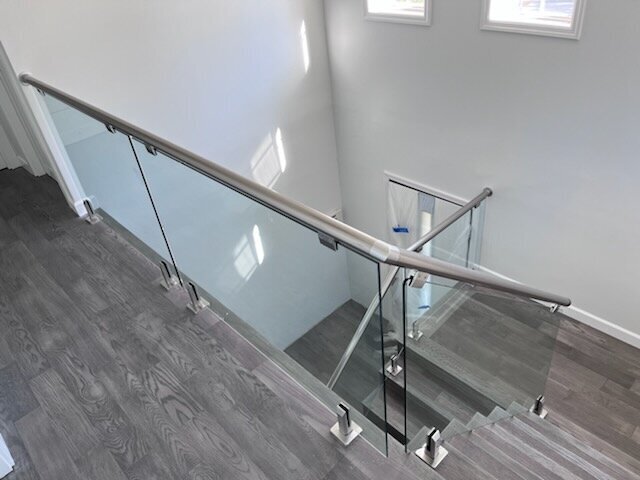
Modern Railing Co's aluminum railing & glass railing systems are available in various styles to complement residential and commercial settings. Main features include:
* Strong and durable construction (weatherproof)
*3/8 & 1/2 inch Tempered Glass
*9/16, 11/16 and 13/16 Laminated Tempered Glass
* Extremely long service life
* Unique finish (anodizing) which fulfills high quality standards (doesn't rust or corrode).
* High resistance to UV radiation (doesn't flake or crack)
* Flexible designs
* Easy maintenance
* All items are in stock
Request a Quote
South Florida GLass & Aluminum Railings
Check out our reviews on Google
About US
(561)672-0717
info@modernrailingco.com
980 North Federal Highway Suite 110
Boca Raton, FL 33432
Shipping Available in the US & Installation in South FLorida.
Contact Us