Call For estimate
Glass Railings
Black Aluminum Railings
Dark & Light Wood Railings
Aluminum Railings
Call (561)672-0717

Knee Wall Railings
Fascia Mount Railings
Indoor Stair & Surface Mount Railings
Outdoor Stair & Surface Mount Railings
Handrails
Standoff-Pins Glass Railing Systems
Glass Railing Post Systems

Saltwater Corrosion Protection for Metal Railings in Coastal Florida
Living near the coast in Florida comes with ocean views and salty air. It also comes with a problem. Your metal railings are probably rusting right now.
Saltwater corrosion is the biggest threat to railings in Palm Beach, Broward, and Miami-Dade counties. Left unchecked, rust weakens the metal until your railings become a safety hazard. Let's talk about what causes it and what you can do.
Spotting the Damage on Balcony Railings Before It Spreads
Different metals show damage in different ways. Knowing what to watch for helps you catch problems early.
What Rust Looks Like on Wrought Iron
Wrought iron railings start with bubbling or flaking paint. Underneath, you'll find orange or reddish-brown rust. The blisters happen because rust forms under the paint and pushes it away from the metal.
Pitting and Corrosion on Steel Railings
Steel railings develop pitting, which looks like small holes in the surface. The texture becomes rough and you'll see reddish-brown patches where the metal is breaking down.
Tea Staining on Stainless Steel
Stainless steel holds up better than regular steel, but it's not immune. You might see brownish discoloration called tea staining where the protective layer is breaking down.
Inspect Joints and Welds for Hidden Damage
Run your hand along the railing. Rough spots or visible discoloration mean corrosion has started. Check joints and welds closely since water collects there after rain.
Best Rust Resistant Metals for Coastal Areas
Some materials need constant attention. Others don't.
How Saltwater Corrosion Breaks Down Metal Railings
Can You Repair a Rusted Railing or Should You Replace It
It depends on how deep the damage goes.
Surface rust can be sanded off and repainted. You'll need to get down to bare metal, treat it with a rust converter, prime it, and repaint. This works for minor spots that haven't eaten into the structure.
The challenge with providing saltwater corrosion protection for metal railings is that repairs only buy you time. If the metal has deep pits or feels weak, the structure is compromised. Covering it with paint doesn't fix that.
Push on your railing. Does it flex? Check the posts for deep holes or rough patches. If you see these signs, it's time to think about replacement.
Dealing with extensive rust damage on balcony railings often means replacement makes more sense than ongoing repairs. The issue keeps coming back because the metal underneath is already compromised.
New balcony railings cost more upfront than a repair, but you stop the cycle of repainting and fixing rust spots every year.
How to Remove Rust from Wrought Iron Railings in Florida
Some people want to keep their wrought iron railings despite the maintenance. Here's what's involved.
Scrub loose rust with a wire brush or sandpaper. A drill with a wire wheel speeds this up. Clean the metal with mineral spirits to remove dust and oils. Apply a rust converter to neutralize remaining oxidation. Prime with a marine-grade or coastal primer, using two coats. Paint with exterior metal paint rated for saltwater exposure.
This needs to happen at least once a year in coastal areas. Sometimes more if you're close to the beach. If you're looking up how to remove rust from wrought iron railings, understand that it's ongoing work, not a one-time fix.
Factor in the time and material costs. Rust remover, primer, paint, brushes, and your time add up. After a few years, the total spent on maintenance can equal or exceed the cost of corrosion-resistant materials.

No matter what material your railings are made from, a few habits will extend their life.
Rinse with fresh water every couple of weeks. This removes salt before it has time to do damage. After storms or windy days, rinse sooner since more salt gets blown inland.
Inspect for scratches, loose fasteners, or lifting paint every few months. Fix small problems before they become big ones. Touch up any bare spots right away.
For wrought iron, you can apply marine-grade wax after painting. Reapply every few months based on the product instructions.
Aluminum just needs soap and water occasionally.
Maintenance Tips for Saltwater Corrosion Protection

Choosing the Best Rust Resistant Metal for Your Coastal Home
If you're replacing railings or building new, think about the next 10 to 20 years. Wrought iron needs constant attention here. Salt and humidity don't take days off.
Finding the best rust resistant metal for coastal areas means looking at both initial cost and long-term maintenance. Some materials perform better in this environment. The difference shows up in how much time and money you spend on upkeep over the years.
Look at your railings. Check for rust, test the stability, and decide what needs to happen. Catching problems early means safer railings and lower costs down the road.
Salt particles from ocean spray land on your railings and mix with humidity. This creates a reaction that breaks down the metal.
The salt pulls electrons from metal atoms, turning solid iron into rust. Once it starts, rust holds moisture against the metal and spreads. Florida's humidity keeps everything wet between rainstorms, so the process never really stops.
A scratch in the paint gives salt and moisture direct access to bare metal underneath. From there, corrosion spreads under the paint in every direction.
Not all metals react the same way to salt air.
Aluminum forms a thin oxide layer on its surface that protects the metal underneath. Unlike rust, this layer doesn't flake off or spread. This is why more coastal homeowners have switched to aluminum railings over the past decade.
Wrought iron and steel have no natural defense against saltwater. The reaction continues day and night in our climate. Even with paint, any exposed metal starts corroding immediately.
Why Powder-Coated Finishes Outlast Regular Paint
Coatings make a real difference in how long railings last. Standard paint on wrought iron chips and peels, especially in coastal humidity. Once the paint fails, rust spreads fast underneath.
Powder-coated finishes work differently. The coating bonds during a heat process, so it won't chip or peel as easily. It creates a thicker barrier that keeps salt and moisture away from the metal.
Here's what to expect from different materials in coastal Florida:
We provide free estimates and service South Florida - Palm Beach County, Broward County and Miami-Dade County. All of our material is available & in stock making, turnaround time currently at 2-3 weeks (subject to change) for installations and for shipping orders within 5 business days in US & abroad.
Modern Railing Co has top quality material, industry experience, dedication to service, make us different than others. We will deliver your expectations!
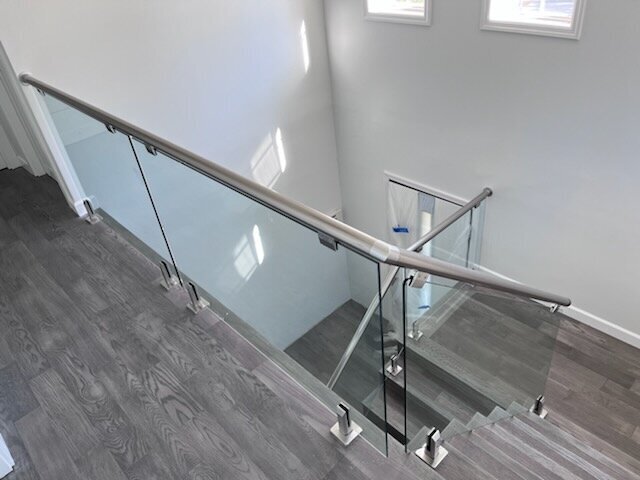
Modern Railing Co's aluminum railing & glass railing systems are available in various styles to complement residential and commercial settings. Main features include:
* Strong and durable construction (weatherproof)
*3/8 & 1/2 inch Tempered Glass
*9/16, 11/16 and 13/16 Laminated Tempered Glass
* Extremely long service life
* Unique finish (anodizing) which fulfills high quality standards (doesn't rust or corrode).
* High resistance to UV radiation (doesn't flake or crack)
* Flexible designs
* Easy maintenance
* All items are in stock
Request a Quote
South Florida GLass & Aluminum Railings
Check out our reviews on Google
About US
(561)672-0717
info@modernrailingco.com
980 North Federal Highway Suite 110
Boca Raton, FL 33432
Shipping Available in the US & Installation in South FLorida.
Contact Us