Call For estimate
Glass Railings
Black Aluminum Railings
Dark & Light Wood Railings
Aluminum Railings
Call (561)672-0717

Knee Wall Railings
Fascia Mount Railings
Indoor Stair & Surface Mount Railings
Outdoor Stair & Surface Mount Railings
Handrails
Standoff-Pins Glass Railing Systems
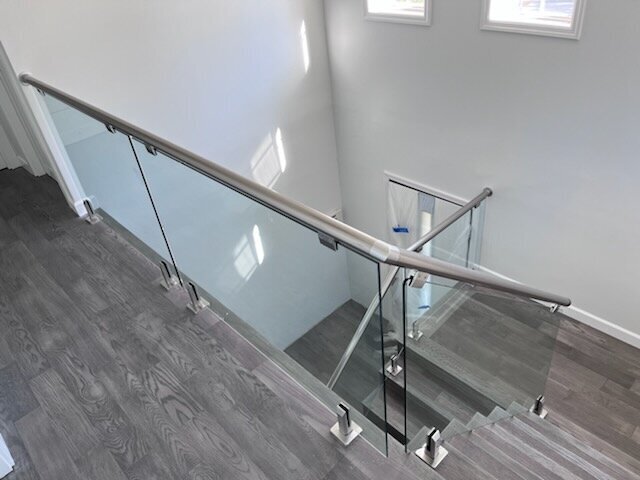
Glass Railing Post Systems

Trending Railing Designs That Complement Contemporary Coastal Architecture
Railings do more than keep you safe. They frame your views, define your outdoor spaces, and set the tone for your home's entire aesthetic. In coastal areas where indoor-outdoor living is part of daily life and ocean breezes meet contemporary architecture, your railing choice becomes a design statement.
A well-designed railing system can open up sight lines to the water, complement your home's architectural style, or add a bold visual accent that transforms an ordinary deck into something remarkable. Understanding how form and function work together helps you make better decisions for your space.
Contemporary Railing Design Ideas for 2026
1. Frameless Glass Railings for Unobstructed Views
Living in coastal areas means you have views worth protecting. Frameless glass railings deliver safety without blocking what you paid for. These systems use minimal hardware, with standoff pins or base channels supporting tempered glass panels that seem to disappear.
Waterfront homes and high-rise properties have embraced this look because the ocean takes center stage. Three stories up overlooking water, you want the sunset view, not a chunky railing cutting through it. Glass does the job without the visual weight.
2. Matte Black Aluminum for Modern Curb Appeal
Black never goes out of style, but matte black aluminum railings have become the signature of modern coastal architecture. This finish works beautifully against white stucco, natural stone, or the weathered wood accents popular in waterfront homes.
Powder-coated aluminum in matte black stands up to humid climates without the maintenance headaches of wrought iron. It resists rust near the ocean, and the dark finish hides saltwater residue better than lighter colors. Homes with Mediterranean influences have started using black aluminum to add contemporary contrast to traditional architecture.
3. Wood-Look Aluminum Combines Warmth with Durability
You get the warmth of natural wood without the constant refinishing. Wood-look aluminum captures the organic texture and grain patterns of real lumber, but handles the brutal combination of sun, salt, and humidity in coastal climates.
These railings fit perfectly into the modern farmhouse trend popular in suburban areas. The wood texture softens the industrial feel of metal while maintaining the durability that matters near the beach. This hybrid aesthetic has become one of the top modern deck railing ideas 2026.
4. Cable Railings Bring Industrial Style to Outdoor Spaces
Cable railings bring an architectural edge that appeals to minimalists and modernists. Horizontal stainless steel cables create clean sight lines while maintaining an open, airy feel. This system works well for multi-level decks and rooftop terraces where you want visibility between floors.
The industrial look has found its place in urban settings. Condos and lofts use cable systems to maintain an uncluttered profile. The cables preserve views but meet building codes, making them both practical and stylish.
5. Standoff-Pin Glass Systems Create a Floating Effect
Standoff pins create a floating effect by holding glass panels away from the mounting surface with small cylindrical spacers. This installation method delivers a sleeker profile than post-mounted systems, and the glass appears to hover in place.
This design suits contemporary homes where every detail counts. The hardware is minimal, often in brushed stainless or matte black, letting the transparency of the glass do the visual work. Oceanfront properties use standoff systems to maintain water views while adding a layer of modern sophistication.
6. Fascia-Mounted Railings Save Valuable Deck Space
Balcony space in high-rise condos comes at a premium. Fascia-mounted railings attach to the outer edge of your deck, freeing up every inch of usable floor space. Instead of losing square footage to posts and bases, you get a clean perimeter that makes small balconies feel larger.
This mounting style has become standard in high-rise construction. A compact balcony benefits from fascia mounting, giving you back valuable real estate for furniture, planters, or room to move around comfortably.
7. Glass Panels with Posts Balance Transparency and Structure
Sometimes you want the transparency of glass with a bit more structure. Glass panels set between slim aluminum or stainless steel posts create defined sections while maintaining visibility. The posts provide visual rhythm and can be finished in colors that complement your home's exterior.
This balanced approach works for homeowners who find frameless too minimal and traditional railings too heavy. Properties with transitional architecture often use this style to bridge modern and classic design elements without one style dominating the look.
8. LED Lighting Integration Adds Safety and Atmosphere
LED strips integrated into railing caps or post bases transform your deck after sunset. The lighting creates ambiance for evening entertaining while improving safety on stairs and level changes. Modern systems run on low voltage, use minimal energy, and come in multiple color temperatures.
Smart outdoor lighting has become part of South Florida modern home design trends. You can control brightness and timing from your phone, setting the right mood for dinner parties or quiet evenings by the pool. The lights tuck into the railing profile, maintaining clean lines during the day.
9. Mixed Materials Add Custom Character to Deck Railings
Combining materials gives you design flexibility and practical benefits. You might use glass panels where you want views and aluminum pickets where you need privacy or architectural interest. This mix-and-match approach lets you customize different areas of your deck for specific purposes.
Many modern railing ideas for deck projects incorporate multiple systems in one installation. A waterfront home might feature glass on the ocean-facing side and wood-look aluminum around the pool area. The variety adds visual interest while addressing the functional needs of each space.
10. Powder Coating Offers Unlimited Color Options
Powder coating opens up a spectrum of color options beyond standard finishes. Navy blue railings against white architecture. Bronze tones that echo the natural palette of coastal landscapes. Charcoal gray that blends into shadow. The powder-coated finish bonds to aluminum at a molecular level, creating a surface that resists chipping, fading, and corrosion.
Color customization lets you match your railing to shutters, trim, or outdoor furniture. Art Deco buildings use custom powder coating to integrate railings into their iconic pastel color schemes. The finish holds up under UV exposure better than paint, maintaining its appearance for years.
11. Frosted or Tinted Glass Adds Privacy Without Blocking Light
Full transparency is not always what you want. Frosted or tinted glass panels provide privacy from neighbors while still allowing light to pass through. You can choose different opacity levels depending on how much screening you need.
Townhomes use frosted glass to create private outdoor rooms without the closed-in feeling of solid panels. Tinted glass also reduces glare and heat absorption, a practical consideration in intense sunlight. The panels maintain a modern aesthetic while adding functional privacy.
12. Wall-Mounted Handrails Offer a Minimalist Solution
Wall-mounted handrails along stairs create a floating effect with no visible support posts interrupting the flow. The rail attaches directly to the wall with concealed brackets, appearing to extend seamlessly from one level to another.
This installation style works in contemporary interiors where minimalism is key. The approach cleans up stairwells and creates a streamlined look. Paired with glass panels or left open, wall-mounted rails let the architecture of your staircase become a focal point.
Customization Options for Truly Unique Railings
Modern railing systems offer more personalization than most homeowners realize. Handrail profiles range from round and square to custom shapes that fit your grip preference. Infill materials extend beyond glass and aluminum to include perforated metal panels, wire mesh for an industrial aesthetic, or horizontal slats that create visual texture.
Curves and angles present no obstacle. Spiral staircases, radius decks, and angled transitions all accommodate modern systems. Hardware finishes range from brushed stainless to oil-rubbed bronze to color-matched powder coating that makes mounting brackets virtually invisible.
Some projects incorporate laser-cut patterns into metal panels, creating shadows that shift throughout the day. Others add frosted glass inserts with custom etching for a personalized signature element. These details transform a functional safety feature into an expression of individual style.
Factors to Consider When Selecting Railing Systems
Start by asking what matters most. Are you maximizing an ocean view, making a design statement, or solving for a small balcony? Your railing should complement your home's architectural style, not fight against it. A sleek glass system might clash with a traditional Spanish Revival home, while matte black aluminum could add striking contemporary contrast.
Living near the ocean means saltwater exposure, so durability is non-negotiable. Aluminum and stainless steel outlast other materials in coastal environments, and tempered glass resists degradation in humid climates. Focus on long-term value over initial cost. A cheaper railing needing replacement in five years costs more than a quality system lasting decades.
Don't overlook local building codes and HOA restrictions, which may dictate railing height, spacing, or appearance. Professional installers understand these requirements and can find solutions that meet all codes while achieving your design vision.
Modern railings have evolved far beyond simple safety barriers. The right choice defines spaces, frames views, and expresses personal style while standing up to demanding coastal climates.

We provide free estimates and service South Florida - Palm Beach County, Broward County and Miami-Dade County. All of our material is available & in stock making, turnaround time currently at 2-3 weeks (subject to change) for installations and for shipping orders within 5 business days in US & abroad.
Modern Railing Co has top quality material, industry experience, dedication to service, make us different than others. We will deliver your expectations!
Modern Railing Co's aluminum railing & glass railing systems are available in various styles to complement residential and commercial settings. Main features include:
* Strong and durable construction (weatherproof)
*3/8 & 1/2 inch Tempered Glass
*9/16, 11/16 and 13/16 Laminated Tempered Glass
* Extremely long service life
* Unique finish (anodizing) which fulfills high quality standards (doesn't rust or corrode).
* High resistance to UV radiation (doesn't flake or crack)
* Flexible designs
* Easy maintenance
* All items are in stock