Call For estimate
Glass Railings
Black Aluminum Railings
Dark & Light Wood Railings
Aluminum Railings
Call (561)672-0717

Knee Wall Railings
Fascia Mount Railings
Indoor Stair & Surface Mount Railings
Outdoor Stair & Surface Mount Railings
Handrails
Standoff-Pins Glass Railing Systems
Glass Railing Post Systems

What Causes Tea Staining on Stainless Steel Railings and How to Fix It
You chose stainless steel because it resists rust. So those brown marks showing up on your waterfront railings feel like a betrayal. Before you panic, here's some relief. You're probably looking at something called tea staining. It's cosmetic, not structural, and it happens often in coastal areas like South Florida.
Tea staining gets its name from the brownish discoloration that appears on the metal. It doesn't weaken the railing or mean the metal is failing. Think of it as a stubborn film sitting on the surface.
The Cause Behind Brown Discoloration on Stainless Steel
Tiny iron particles float around in the air and land on the surface. Those particles corrode and create the brown film you see. The stainless steel itself isn't corroding. It's more like dust that decided to oxidize on your railing.
Living near the ocean makes this worse. Salt spray carries more iron particles, and South Florida humidity gives them perfect conditions to oxidize. The closer you are to the water, the more you'll deal with it.
If your railing has pits, flakes, or rough patches, that's rust and needs different attention. But if it's just a brown tint on a smooth surface, you're dealing with tea staining.
Is It Tea Staining or Rust? How to Know for Sure
How to Clean Tea Staining from Stainless Steel
Getting rid of tea stains doesn't require fancy equipment. Just the right approach.
Start simple.Mix mild dish soap with warm water and wash down the railings. Use a soft cloth or sponge. This removes salt buildup and loose dirt. Pay attention to corners and joints where grime collects.
Use a stainless steel cleaner. Get one made for marine environments. Apply it with a nylon scrubbing pad. Never use steel wool because it scratches the surface. Follow the product directions and work with the grain of the metal.
Rinse and dry. Rinse everything with fresh water to remove all cleaner residue. Then dry with a clean cloth. Skipping this step leaves water spots.
Cleaning works, but preventing stainless steel corrosion coastal areas experience saves time. Here's what helps.
Monthly Fresh Water Rinses
This is the simplest thing you can do. Once a month, spray down the railings with a garden hose. After storms or heavy salt exposure, do it more often. You're washing away salt deposits before they cause staining. No special products needed.
Grade 316 vs Grade 304
Not all stainless steel performs the same in salty environments. Grade 316 holds up better than grade 304 because it contains molybdenum. If you're considering different stainless steel options for coastal properties, ask about the grade. It costs more upfront but needs less maintenance. Many people who notice corrosion later find out they have 304 in a location that needed 316.
Passivation Treatment
This chemical treatment strengthens the protective layer on stainless steel. It removes free iron from the surface and makes the metal more resistant to corrosion. Not every property needs it, but if you're right on the water with constant salt exposure, it's worth discussing.
Preventing Stainless Steel Corrosion in Coastal Areas

Cable railings with stainless steel fittings need attention at the connection points. Glass systems with stainless posts usually show staining more on the posts than the glass. Handrails get more hand contact, which can help remove some surface contamination through regular use.
If you have multiple railing types on the same property, you might notice tea staining appears faster on some than others. This comes down to how water drains from each surface and how much direct salt spray they receive.
More questions about specific types? Check the maintenance guide for different systems.

Lower Maintenance Alternatives to Stainless Steel Railings
Some people decide to skip the tea staining issue altogether. Powder-coated options need less cleaning in coastal areas. The coating blocks contaminants from reaching the metal. You give up the shiny metal look, but maintenance becomes easier. This makes sense for vacation properties or buildings where consistent upkeep is difficult.
Cleaning Errors That Make Tea Staining Harder to Remove
Abrasive cleaners scratch the protective layer. Those scratches create tiny grooves where iron particles get stuck more easily. Once scratched, the surface becomes harder to clean and stains faster.
Waiting too long to clean also makes it harder to remove. Fresh stains wipe off easily. Stains that sit for months bond more strongly. Deal with it when you see it, not during your annual cleaning.
The climate here makes tea staining more aggressive. Daily afternoon storms leave moisture that doesn't fully dry in the humidity. Hurricane season pushes salt spray inland, sometimes miles from the beach. Even properties not directly on the water get saltwater mist carried by wind.
Properties in Miami Beach, Fort Lauderdale, and Boca Raton see more tea staining than inland areas. If you can see the ocean from your building, plan on more frequent cleaning. Buildings with flat surfaces or poor drainage need extra attention because water pools longer.
Climate Factors That Speed Up Stainless Steel Discoloration

Set a monthly reminder to rinse the railings with fresh water. Every three months, do a deeper clean with a stainless steel cleaner. Once a year, inspect everything closely. This schedule handles most coastal properties, though waterfront homes need more frequent attention.
Keep track of spots where staining keeps coming back. Those areas might have drainage problems or design features that trap moisture. If you have glass panels with metal posts, pay attention to where they meet. These joints trap salt water.
Fixing the source saves you from repeatedly cleaning the same spots.
Building a Maintenance Routine for Preventing Corrosion

What to Watch for on Different Stainless Steel Railing Types
Long-Term Care for Stainless Steel Railings Near the Water
Stainless steel railings last decades and look great, but they need regular care in coastal environments. The brown discoloration isn't rust or structural damage. It's surface contamination from iron particles in the air, amplified by salt and humidity.
Regular rinsing with fresh water prevents most of the problem. The right cleaning products remove existing stains without damaging the metal. Choosing grade 316 for coastal installations means less work over time. With basic upkeep, railings stay functional and attractive for years.
This matters because they're completely different problems. Many people see brown marks and immediately wonder why my 316 stainless steel is rusting. But tea staining and rust behave differently.
We provide free estimates and service South Florida - Palm Beach County, Broward County and Miami-Dade County. All of our material is available & in stock making, turnaround time currently at 2-3 weeks (subject to change) for installations and for shipping orders within 5 business days in US & abroad.
Modern Railing Co has top quality material, industry experience, dedication to service, make us different than others. We will deliver your expectations!
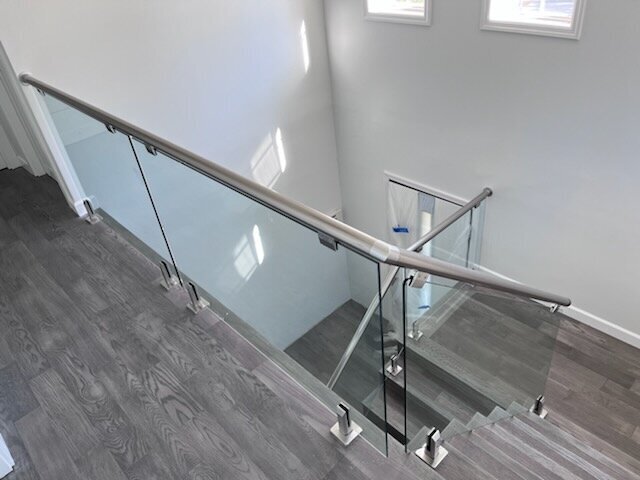
Modern Railing Co's aluminum railing & glass railing systems are available in various styles to complement residential and commercial settings. Main features include:
* Strong and durable construction (weatherproof)
*3/8 & 1/2 inch Tempered Glass
*9/16, 11/16 and 13/16 Laminated Tempered Glass
* Extremely long service life
* Unique finish (anodizing) which fulfills high quality standards (doesn't rust or corrode).
* High resistance to UV radiation (doesn't flake or crack)
* Flexible designs
* Easy maintenance
* All items are in stock
Request a Quote
South Florida GLass & Aluminum Railings
Check out our reviews on Google
About US
(561)672-0717
info@modernrailingco.com
980 North Federal Highway Suite 110
Boca Raton, FL 33432
Shipping Available in the US & Installation in South FLorida.
Contact Us