Call For estimate
Glass Railings
Black Aluminum Railings
Dark & Light Wood Railings
Aluminum Railings
Call (561)672-0717

Knee Wall Railings
Fascia Mount Railings
Indoor Stair & Surface Mount Railings
Outdoor Stair & Surface Mount Railings
Handrails
Standoff-Pins Glass Railing Systems
Glass Railing Post Systems

What Factors Influence the Cost of a Custom Railing Installation?
Planning a custom railing project means understanding what drives the price. Several factors affect your final cost, and knowing them ahead of time helps you budget better and avoid surprises when you get quotes.
In this guide, we'll walk through the key variables that impact custom railing installation costs, from material selection to labor requirements.
Material Choice Makes the Biggest Difference
The material you pick determines a large part of your total cost. Aluminum railings resist corrosion and come in different finishes, each at a different price point. The finish you choose affects not just appearance but also how the railing holds up over time. Glass railings cost more but deliver unobstructed views and a modern look. Cable systems offer clean lines with their own installation considerations.
Each material brings different long-term value. Upfront costs don't tell the whole story. Some materials need regular refinishing or repainting, while others stay low-maintenance for decades. Think about what you're willing to spend on upkeep down the road.
While every project is different, here are typical price ranges per linear foot for common railing materials. These costs include materials but installation labor varies by project complexity.
Wood Railings
$15 to $50 per linear foot. Pine starts at the lower end, while cedar offers better durability at mid-range pricing. Premium options like mahogany, ipe, and redwood reach the higher end but deliver excellent weather resistance.
Vinyl (PVC) Railings
$20 to $40 per linear foot. Low maintenance and resistant to weathering, making them practical for many homeowners.
Aluminum Railings
$40 to $70 per linear foot. Durable and rust-resistant with minimal upkeep needs over time.
Composite Railings
$30 to $40 per linear foot. These blend the look of wood with better durability and less maintenance.
Cable Railings
$50 to $200 per linear foot. Modern appearance with significant price variation based on design and hardware quality.
Glass Railings
$100 to $850 per linear foot. Premium option for unobstructed views, with costs varying by glass type, thickness, and framing system.
Wrought Iron Railings
$50 to $120 per linear foot. Classic look with good durability but needs regular maintenance to prevent rust.
Stainless Steel Railings
$30 to $80 per linear foot. Contemporary design with excellent longevity.
Keep in mind these are material-focused estimates. Your final cost includes installation labor, which we'll cover later in this guide.
Railing Cost by Material Type
Different Glass Options Have Different Prices
Glass railings vary quite a bit depending on what you choose. Tempered glass meets safety standards at one price. Laminated glass costs more but adds durability, sound dampening, and UV protection. The difference affects both your initial investment and how the railing performs over time.
Thickness matters too. Thicker panels need stronger mounting systems and take more care during installation, which increases labor costs. Your view, climate, and how much wind exposure you get all play into which glass type works best.
Powder-coated railings show how finish choices influence both initial costs and future maintenance expenses.
Powder coating costs more upfront but dramatically reduces the need for refinishing. Standard finishes start cheaper but may need attention every few years.
Custom color matching increases the investment further. Your climate and exposure matter here. Coastal environments need more durable finishes than protected inland locations.
Balance what you pay now against what you'll spend on maintenance over the years you own the railing.
Mounting Style Changes Installation Costs
Your railing can attach in different ways, and each method affects both cost and appearance. Fascia mount installation attaches hardware to the fascia board, creating a clean look with the posts tucked under the deck edge. Surface mount systems bolt directly to the deck surface, which often simplifies installation but changes how the finished railing looks.
Each mounting approach uses different hardware and takes different amounts of time. Your deck's existing construction might work better with one method. Sometimes achieving your preferred aesthetic requires reinforcing the structure before installation can begin.
Coating and Finish Options

Different materials and designs need different skill levels to install correctly.
Some systems work with basic tools and straightforward techniques, while others require specific equipment and experience.
Installers who know what they're doing work more efficiently, which reduces labor hours without compromising quality.
Local building codes set specific requirements for railing height, baluster spacing, and how railings attach to structures.
Professional installers know these standards and build compliant systems from the start. Mistakes caught during inspection mean delays and extra costs to fix.

Working with Stairs Costs More
Flat balconies are straightforward to work with. Stairs introduce angles, transitions, and more detailed work.
Handrail installation on stairs requires measurements that match the slope exactly. Every turn and landing adds time and material waste from custom cuts.
Second-story installations take longer than ground-level projects because of safety equipment and slower material handling.
How far installers need to carry materials from the truck to your deck also factors into efficiency and cost.
Adding Custom Features
Straight runs cost less than projects with multiple angles and elevation changes. Custom curves need custom fabrication, which takes more time and specialized skills. Built-in lighting, decorative panels, or integrated planters increase both materials and installation hours.
Simple designs move from planning to completion faster. Complex projects need detailed planning, custom components, and more careful installation. The difference shows clearly in both your timeline and your budget.

More railing means more material and more installation time. A small balcony requires less than a wraparound deck system.
Longer projects might qualify for better material pricing, but very short jobs sometimes carry minimum charges that increase the per-foot cost.
Posts anchor your railing system at regular intervals. More posts mean more installation work and more mounting hardware.
The spacing between posts affects both the structural requirements and how the finished railing looks from your deck.
How Much Railing Do You Need?

Taking out existing railings adds a distinct phase to your project. Some systems come off easily with basic tools and minimal effort.
Others need cutting and careful work, especially if fasteners have rusted or wood has deteriorated over years of weather exposure.
You'll also need to dispose of the old materials. Some recycle easily, while others need special handling or landfill fees.
The condition of your deck surface after removal determines how much repair work is needed before new railings can go in.
Removing What You Already Have

Labor and Building Code Compliance
Planning Your Budget
Understanding these factors helps you balance what you want against what you can spend. Material selection offers the biggest range in pricing, but mounting methods, project complexity, and site conditions all play important roles. Good planning means focusing on the features that matter most for your space while knowing where you have flexibility.
Getting quotes from multiple contractors helps you understand the typical range for your specific project. Be clear about what you want and what's most important to you. Some homeowners prioritize low maintenance, while others care more about initial cost or a specific aesthetic. Knowing your priorities makes it easier to make trade-offs when needed.
Remember that the cheapest option isn't always the best value. A railing system that needs frequent maintenance or replacement costs more over time than one with a higher upfront investment but decades of reliable performance. Consider how long you plan to stay in your home and what kind of maintenance you're willing to handle.
We provide free estimates and service South Florida - Palm Beach County, Broward County and Miami-Dade County. All of our material is available & in stock making, turnaround time currently at 2-3 weeks (subject to change) for installations and for shipping orders within 5 business days in US & abroad.
Modern Railing Co has top quality material, industry experience, dedication to service, make us different than others. We will deliver your expectations!
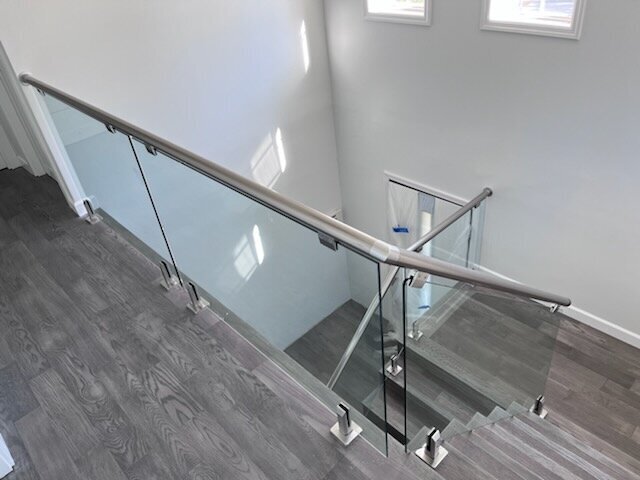
Modern Railing Co's aluminum railing & glass railing systems are available in various styles to complement residential and commercial settings. Main features include:
* Strong and durable construction (weatherproof)
*3/8 & 1/2 inch Tempered Glass
*9/16, 11/16 and 13/16 Laminated Tempered Glass
* Extremely long service life
* Unique finish (anodizing) which fulfills high quality standards (doesn't rust or corrode).
* High resistance to UV radiation (doesn't flake or crack)
* Flexible designs
* Easy maintenance
* All items are in stock
Request a Quote
South Florida GLass & Aluminum Railings
Check out our reviews on Google
About US
(561)672-0717
info@modernrailingco.com
980 North Federal Highway Suite 110
Boca Raton, FL 33432
Shipping Available in the US & Installation in South FLorida.
Contact Us