Call For estimate
Glass Railings
Black Aluminum Railings
Dark & Light Wood Railings
Aluminum Railings
Call (561)672-0717

Knee Wall Railings
Fascia Mount Railings
Indoor Stair & Surface Mount Railings
Outdoor Stair & Surface Mount Railings
Handrails
Standoff-Pins Glass Railing Systems
Glass Railing Post Systems

Why More Homeowners Are Adding LEDs to Their Outdoor Railings
The sun sets, and your deck goes from daylight to pitch black in minutes. You've probably grabbed your phone's flashlight more than once just to see the steps. It's a common problem in Florida, where most of us live outside year-round.
LED lighting built into railings solves this while looking good at the same time. The lighting goes directly into the railing system itself, doing its job without being obvious during the day.
LED Railing Lights Do More Than Look Good
Nobody thinks about falling on their own stairs until it almost happens. LED lighting built into stair handrails marks each step clearly, which matters more than you might think. Your eyes take time to adjust when you go from a bright living room to a dark deck. That transition period is when missteps happen.
The light creates a clear path for anyone using your outdoor space. Kids running around after dinner, guests who don't know your layout, even you after a long day can move around without second-guessing each step.
Beyond function, soft light from under the rail creates depth. The glow is subtle, almost like what you'd see at a nice restaurant patio. Your deck or patio just looks more finished.
Under-rail lighting
The most popular option. The LED strip sits underneath the top rail, hidden from view, and washes light down onto the deck floor so you can see where you're walking. Works well for new deck railings or updates to existing ones.
Built-in handrail systems
Ideal for stairs. The LED is built right into the handrail—no visible wiring or separate fixtures. Just a clean line of light that follows the stairs. A good fit when stairs are a focal point.
Post cap lights
These sit on top of railing posts. They don't light up steps like the other options, but they mark the railing line and add ambient light. Some people combine them with under-rail lighting for a layered effect.
Under-Rail, Built-In, or Post Cap: Which LED Setup Works Best?
Before You Add LEDs to Your Railings, Consider This
Aluminum systems
The most common choice. LED channels are built in, wiring runs hidden, and powder coating adds color options plus weather protection. Aluminum is lighter than steel, corrosion-resistant, and costs less than stainless steel while still being durable
.
Stainless steel (316 grade)
Best for right on the coast or maximum longevity. Handles salt spray and humidity without corroding. Higher upfront cost, but almost no maintenance. Sleek, modern look.
Retrofit systems
Already have railings you like? These attach to existing railings using brackets—no full replacement needed. The key is hiding the wiring so it looks intentional rather than tacked on.
LED Lighting Ideas for Every Outdoor Space
Different outdoor areas have different lighting needs. Start with the fundamentals of deck railing lighting for safety and style, then adapt to your space.
Pool decks
Wet surfaces plus steps equals trouble. Focus lighting on entry points and stairs while avoiding glare on the water. Light bouncing off pool water looks great, but balance ambiance with visibility on wet tile.
Multi-level spaces
Each elevation change needs light—that's where people trip. Also consider how light flows across areas. You don't want one level super bright and another totally dark.
Balconies and elevated spaces
Safety matters, but so does protecting your view. Under-rail lighting works well because it lights the floor without putting fixtures in your sightline. For entertaining, dimmable systems let you adjust the mood.
What Illuminated Railing Systems Cost in Florida
Smart Controls for Your Deck Railing Lights
LED systems use very little power. A whole deck railing setup might pull less electricity than one old-style bulb. You can leave them on all evening without much impact on your power bill.
If you're into smart home stuff, most newer systems can integrate. Set them to turn on at sunset. Adjust brightness from your phone. Modern deck railing lighting can also work with different scenes, bright for cooking out or dim for late conversations.
How Long Do LED Railing Lights Last in Florida?
LEDs last a long time. We're talking 50,000 plus hours in many cases. With normal evening use, that's years before you need to replace anything.
Mostly you just keep the rails clean and check connections once in a while. If something stops working, it's usually a connection issue where moisture got in. If a section of LED strip fails, you can replace just that section.
Adding LEDs to a railing project costs more than doing it without lights. But the benefits are real. Better safety at night. Extended use of your outdoor space. A finished look that sets your place apart.
Looking through project galleries showing different installations can help you picture what might work for your space. Seeing actual examples makes it easier to decide.
Are LED Deck Railings Worth the Extra Money?
Should You Add LEDs to Your Florida Deck Railings?
Integrated LED lighting has gotten reliable enough that it makes sense for most outdoor railing projects. The technology works, costs are reasonable, and benefits are tangible.
If you're building new, adding lights during construction is easiest. But retrofit options exist if you already have railings you want to keep. The main thing is getting it done right with someone who knows both the technical side and design side.
The combination of safety and visual appeal explains why outdoor step lighting has become more common in Florida. For homeowners who use their outdoor spaces year-round, it's moved from luxury add-on to something that just makes sense.
Your LED Color Choice Changes Everything
LEDs come in different colors. Warm white feels yellow-toned like old bulbs and creates a cozy feel. Cool white has a blue tone, very bright and modern. Neutral white sits in the middle.
Your choice changes the mood. Warm tends to feel more relaxed. Cool feels crisp and contemporary. Think about how you use your outdoor space and what fits your home's style.
Florida Weather and Electronics Don't Mix Well
Florida weather beats up outdoor stuff. Salt air if you're near the coast, constant humidity, sudden downpours, brutal sun. Your LED system needs to handle all of it.
Look for IP67 ratings at minimum. That means the components are sealed against moisture. Marine-grade materials like 316 stainless steel or quality aluminum hold up better. You want something that still works and looks good in five years, not something that corrodes after the first rainy season.
Why DIY Installation Usually Fails
Even though these are low-voltage systems, working with electrical components requires knowing building codes, transformer sizing, and circuit planning. Getting it wrong can mean failed inspections or electrical issues.
Someone experienced with handrail installation that involves wiring knows how to run everything cleanly and keep connections protected. They can also integrate timers or smart controls if you want them.
We provide free estimates and service South Florida - Palm Beach County, Broward County and Miami-Dade County. All of our material is available & in stock making, turnaround time currently at 2-3 weeks (subject to change) for installations and for shipping orders within 5 business days in US & abroad.
Modern Railing Co has top quality material, industry experience, dedication to service, make us different than others. We will deliver your expectations!
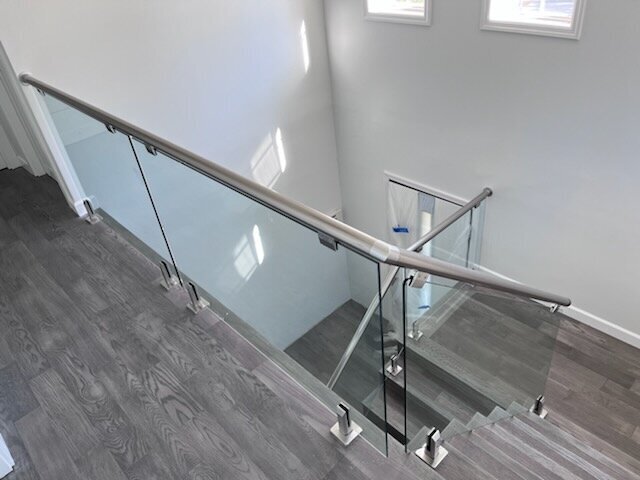
Modern Railing Co's aluminum railing & glass railing systems are available in various styles to complement residential and commercial settings. Main features include:
* Strong and durable construction (weatherproof)
*3/8 & 1/2 inch Tempered Glass
*9/16, 11/16 and 13/16 Laminated Tempered Glass
* Extremely long service life
* Unique finish (anodizing) which fulfills high quality standards (doesn't rust or corrode).
* High resistance to UV radiation (doesn't flake or crack)
* Flexible designs
* Easy maintenance
* All items are in stock