Call For estimate
Glass Railings
Black Aluminum Railings
Dark & Light Wood Railings
Aluminum Railings
Call (561)672-0717

Knee Wall Railings
Fascia Mount Railings
Indoor Stair & Surface Mount Railings
Outdoor Stair & Surface Mount Railings
Handrails
Standoff-Pins Glass Railing Systems
Glass Railing Post Systems

A Room-by-Room Guide to Handrails for Safer Aging in Place
Across Florida, retirees share one common goal. They want to stay in the homes they love. The comfort of familiar surroundings, cherished memories, and daily routines runs deep, and for homeowners aged 65 and older, leaving feels both unnecessary and premature.
But independence at home comes with real risks. According to the National Institute on Aging, one in four seniors experiences a fall each year, often leading to serious injuries, lost confidence, and sudden changes in living arrangements.
The solution isn't relocating. It's adapting. Well-designed handrails installed throughout your home can significantly reduce fall risks while preserving the aesthetic you've worked hard to create.
Essential Locations for Senior Safety Handrails in Your Home
ADA Handrail Guidelines for Residential Safety
Height and Grip Requirements
Height and Grip Requirements ADA guidelines for handrail height and grip recommend mounting rails between 34 and 38 inches above the stair nosing or walking surface. This range accommodates most adults comfortably, allowing for a natural arm position when gripping the rail.
Grip diameter matters just as much. Handrails should measure between 1.25 and 2 inches to allow a secure, comfortable hold. Larger diameters are difficult to grasp firmly, while smaller ones may feel unstable. The material should be smooth enough to slide your hand along without friction but textured enough to prevent slipping.
Why Professional Installation Matters
Installation quality can mean the difference between a handrail that saves you from a fall and one that fails under pressure. Handrails must be anchored to wall studs or blocking, capable of withstanding at least 250 pounds of force in any direction.
Professional installers bring expertise in building codes, structural requirements, and material selection, identifying the best mounting locations and choosing appropriate hardware for your wall type. While DIY installation might seem cost-effective, improper mounting could leave you without adequate support when you need it most.
Aluminum Handrails
Aluminum stands out as an excellent choice for homes in humid climates due to its resistance to moisture, salt air, and temperature fluctuations. Aluminum handrails require almost no maintenance beyond occasional cleaning and won't rust or deteriorate over time.
Powder-coated finishes come in numerous colors, letting you match or complement your existing trim and fixtures.
Stainless Steel Handrails
Stainless steel delivers a sleek, contemporary look with excellent durability. These handrails resist corrosion and maintain their appearance with minimal care. They're popular in modern homes with clean lines and minimalist design principles. The cool touch of metal provides a tactile reference point that some users find reassuring.
LED-Integrated Handrails
Handrails with built-in LED lighting serve dual purposes. The illumination helps you see stairs and pathways clearly during nighttime or in dimly lit areas. The light also makes the handrail itself more visible, helping you locate it when needed. This feature adds a modern touch while addressing practical safety concerns.
Your Questions About Aging in Place Handrails Answered
Adult children living across the country or even across town often worry about their parents' safety at home. A phone call about a close call on the stairs or a slip in the hallway can trigger anxiety and difficult conversations about independent living.
Installing handrails addresses these concerns before an accident occurs. Many families find that discussing home modifications early, framed as sensible updates rather than crisis responses, leads to better outcomes. Parents maintain their autonomy while children gain peace of mind.
For families coordinating long-distance care, handrails represent a tangible safety measure that doesn't require lifestyle changes or constant monitoring. They work in the background, providing assistance when needed without altering daily routines or requiring anyone to ask for help.
Comparing Handrail Materials for Durability and Style
What to Expect During Handrail Installation
The process starts with a consultation to assess your needs, measure spaces, and discuss design preferences. Placement is based on how you move through your home, not generic recommendations.
Next, you'll review material samples, learn about maintenance, and choose options that fit your budget and style. In humid or coastal areas, corrosion-resistant materials are worth prioritizing.
Installation typically takes one to two days. Handrails are mounted securely to code and tested under load before the project wraps up. A brief walkthrough covers proper use and care.

Small Changes That Support Independence
Handrails don't signal decline. They're a smart step toward maintaining safety and independence as you age.
Beyond physical support, they reduce anxiety about moving through your home, eliminate the need to ask for help with basic movements, and preserve dignity while addressing practical realities.
Quality handrails also increase home value, lower injury risk, and give you confidence to move freely. For many, this one modification makes the difference between staying home and considering alternatives.
Stairways Are the Most Critical Location
Staircases represent the highest risk area in any home. A simple misstep or moment of dizziness can result in a dangerous tumble. Having a sturdy handrail on both sides of your staircase provides continuous support as you move between floors. This becomes particularly important in homes where residences feature multiple levels or split-level designs.
Look for a handrail system that offers a comfortable grip and extends the full length of the staircase. Many homeowners find that indoor stair and surface mount railings balance safety and visual appeal without compromising their interior design.
Hallways and Long Corridors
Long hallways can feel exhausting when balance becomes an issue. Many homes feature extended corridors connecting bedrooms to living areas. Installing handrails along these pathways gives you something reliable to hold onto during late-night trips to the bathroom or early morning walks to the kitchen.
Continuous handrails along hallway walls let you move at your own pace and pause when needed. This transforms a potentially hazardous space into one that supports your mobility and confidence.
Ramps and Entryways
Ramps and Entryways Not every home has stairs, but changes in floor level appear throughout properties. Ramps leading to outdoor patios, sunken living rooms, or elevated entryways can catch you off guard in low-light conditions or when carrying items. Handrail installations for ramps and entryways provide steady support during these transitions.
A well-placed handrail at your front entrance also helps while unlocking doors, removing shoes, or greeting guests—small details that make daily activities less stressful.
Bathrooms and Other High-Risk Areas
Bathrooms combine slippery surfaces with hard edges. Installing handrails near toilets, inside showers, and alongside bathtubs provides crucial support during vulnerable moments. These installations can blend seamlessly with your bathroom's aesthetic rather than looking clinical or institutional.
Kitchen areas with tile floors, garages with concrete surfaces, and basements with uneven flooring also warrant consideration for handrail placement. Think about any location where you might need extra stability.
What Adult Children Should Know About Home Safety for Aging Parents
We provide free estimates and service South Florida - Palm Beach County, Broward County and Miami-Dade County. All of our material is available & in stock making, turnaround time currently at 2-3 weeks (subject to change) for installations and for shipping orders within 5 business days in US & abroad.
Modern Railing Co has top quality material, industry experience, dedication to service, make us different than others. We will deliver your expectations!
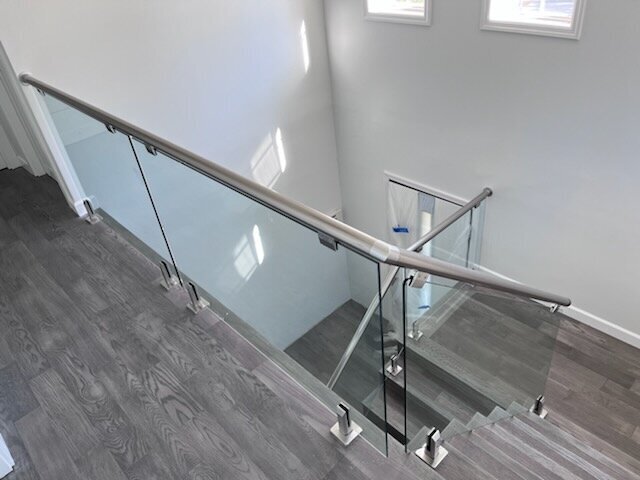
Modern Railing Co's aluminum railing & glass railing systems are available in various styles to complement residential and commercial settings. Main features include:
* Strong and durable construction (weatherproof)
*3/8 & 1/2 inch Tempered Glass
*9/16, 11/16 and 13/16 Laminated Tempered Glass
* Extremely long service life
* Unique finish (anodizing) which fulfills high quality standards (doesn't rust or corrode).
* High resistance to UV radiation (doesn't flake or crack)
* Flexible designs
* Easy maintenance
* All items are in stock