Call For estimate
Glass Railings
Black Aluminum Railings
Dark & Light Wood Railings
Aluminum Railings
Call (561)672-0717

Knee Wall Railings
Fascia Mount Railings
Indoor Stair & Surface Mount Railings
Outdoor Stair & Surface Mount Railings
Handrails
Standoff-Pins Glass Railing Systems
Glass Railing Post Systems
Outdoor railing systems typically use two primary approaches: surface mounting and fascia mounting. Surface mount systems for outdoor stairs and railings attach directly to the deck surface, requiring perfect alignment and understanding of joist locations.
Understanding how fascia mount railing installation works is critical because these systems attach to the rim board, demanding precise measurements and knowledge of structural load paths.
Choosing the wrong method for your specific application can compromise the entire system. Professionals assess your deck's construction, identify structural members, and select the appropriate mounting technique based on engineering principles rather than guesswork.

DIY vs. Professional Railing Installation: Why Hiring a Pro is Critical for Safety
Thinking about installing a railing system yourself? You're not alone in considering the DIY route to save money. However, railing installation involves far more than just attaching posts and pickets. This isn't a project where trial and error is acceptable. When railings fail, people get hurt, and liability becomes a serious concern.
The Hidden Complexity of Railing Installation
Many homeowners assume that if they can follow YouTube tutorials and swing a drill, they can handle railing installation. The reality is far different. Handrail installations require understanding load calculations, anchor point spacing, and structural integrity principles that most DIYers simply don't possess.
Building codes exist for good reason. A railing must withstand 200 pounds of force applied in any direction at any point along the top rail. Can you calculate how deep your anchors need to penetrate based on your substrate material? Do you know how mounting techniques differ between wood framing versus concrete? These aren't suggestions; they're legal requirements.

The consequences of improper installation go far beyond aesthetics. A wobbly railing isn't just annoying; it's dangerous. When someone leans against a poorly anchored system, catastrophic failure can occur in seconds. Elderly family members, children, and guests all depend on your railing to support their weight without warning.
Liability exposure is real. If someone gets injured on your property due to faulty railing installation, you could face lawsuits that dwarf any money you saved doing it yourself. Homeowners insurance may not cover damages if an inspection reveals the installation violated local building codes. Some policies explicitly exclude coverage for DIY structural work.
Installation Methods Require Professional Knowledge
What Can Go Wrong with DIY Railing Projects
Code Compliance and Inspection Challenges
Local building codes vary significantly by jurisdiction. Height requirements, baluster spacing, load ratings, and anchor specifications all differ based on where you live. Most municipalities require permits and inspections for railing installation. Failing an inspection means tearing out your work and starting over.
Professional installers stay current on code changes and maintain relationships with local building inspectors. They know exactly what inspectors will look for and build to pass the first time. This saves you the frustration and expense of multiple inspection attempts.
Modern railing systems come in various materials, each with distinct installation requirements. Aluminum railings require different fasteners and techniques than vinyl or composite systems.
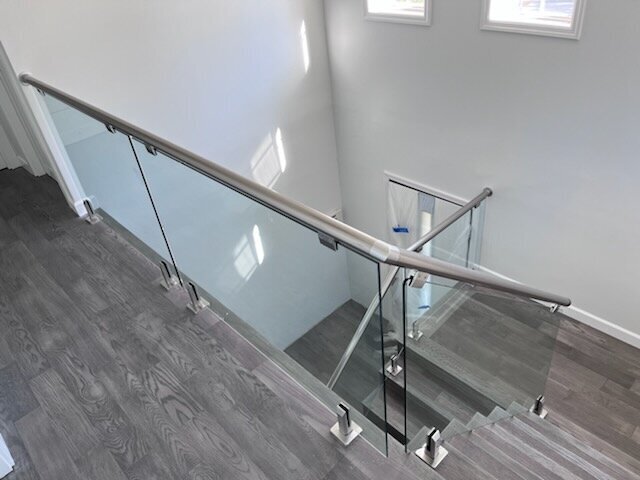
Glass panel railings add another layer of complexity with weight distribution concerns and specialized mounting hardware.
Indoor railing applications often involve different considerations than outdoor installations. Temperature fluctuations, moisture exposure, and aesthetic expectations all influence material selection and installation approach.
Professionals understand these nuances and specify appropriate components.
When DIY Makes Sense (Rarely)
If you have professional carpentry experience, understand structural engineering basics, and have successfully completed similar projects, you might possess the skills needed.
However, even experienced DIYers often underestimate the time investment and problem-solving required when unexpected issues arise. Simple handrail replacements on existing, code-compliant posts might be manageable for skilled homeowners.
Complete railing system installations, especially for elevated decks or balconies, should always involve licensed professionals.

The Materials Make a Difference

Yes, professional installation costs more upfront than buying materials and doing it yourself.
However, factor in tool purchases or rentals, multiple trips to suppliers when you discover you ordered incorrectly, wasted materials from mistakes, and the value of your time over multiple weekends.
Add the peace of mind knowing your railing will protect your family and guests for decades. Consider the potential costs of injury lawsuits or insurance claims denial.
Suddenly, professional installation becomes the economical choice.
The Cost Comparison Reality

What Professional Installation Includes

Hiring a licensed contractor means more than just labor. Professionals handle permit applications, coordinate inspections, and provide warranties on their work.
Many offer design consultation to help you select systems that complement your home's architecture while meeting all safety standards.
Experienced installers bring specialized tools and knowledge that prevent costly mistakes. They understand how different materials behave in various climates and can anticipate problems before they occur.
This expertise translates to installations that last decades without issues.
Making Your Decision
Can you install your own balcony railing? Legally, in most places, yes. Should you? The answer depends on your experience, your willingness to accept liability, and your commitment to learning complex building codes. For most homeowners, the risk far outweighs any potential savings.
Safety isn't negotiable. Railings protect people from serious falls and injuries. When you hire qualified professionals, you invest in quality installation that meets all safety standards and provides long-term reliability. Your family and guests deserve nothing less.

We provide free estimates and service South Florida - Palm Beach County, Broward County and Miami-Dade County. All of our material is available & in stock making, turnaround time currently at 2-3 weeks (subject to change) for installations and for shipping orders within 5 business days in US & abroad.
Modern Railing Co has top quality material, industry experience, dedication to service, make us different than others. We will deliver your expectations!
Modern Railing Co's aluminum railing & glass railing systems are available in various styles to complement residential and commercial settings. Main features include:
* Strong and durable construction (weatherproof)
*3/8 & 1/2 inch Tempered Glass
*9/16, 11/16 and 13/16 Laminated Tempered Glass
* Extremely long service life
* Unique finish (anodizing) which fulfills high quality standards (doesn't rust or corrode).
* High resistance to UV radiation (doesn't flake or crack)
* Flexible designs
* Easy maintenance
* All items are in stock
Request a Quote
South Florida GLass & Aluminum Railings
Check out our reviews on Google
About US
(561)672-0717
info@modernrailingco.com
980 North Federal Highway Suite 110
Boca Raton, FL 33432
Shipping Available in the US & Installation in South FLorida.
Contact Us