Call For estimate
Glass Railings
Black Aluminum Railings
Dark & Light Wood Railings
Aluminum Railings
Call (561)672-0717

Knee Wall Railings
Fascia Mount Railings
Indoor Stair & Surface Mount Railings
Outdoor Stair & Surface Mount Railings
Handrails
Standoff-Pins Glass Railing Systems
Glass Railing Post Systems

LED Railing Lighting Ideas for Decks and Outdoor Spaces
Evening hours transform outdoor spaces into the perfect setting for relaxation and entertainment. The warm breeze, the sounds of nature, and comfortable temperatures make it ideal for extending your living area outside. But once darkness falls, many homeowners find themselves retreating indoors because their outdoor areas lack adequate illumination.
LED railing lighting changes that entirely. By integrating lights directly into your railing system, you create an inviting atmosphere that lasts well into the night. This goes beyond adding brightness. It reimagines how you use your deck, lanai, or waterfront dock after sunset.
Don't Let the Sun Set on Your Outdoor Living
Safety and Visibility After Dark
The practical advantages of illuminated railings start with safety. Stairs and elevated walkways become significantly more hazardous in low-light conditions. A subtle glow along the handrail provides the visual guidance needed to navigate these areas confidently.
For homes with pool areas, this lighting becomes even more critical. The reflective nature of water can create confusing visual patterns at night. LED lights integrated into deck railings near pools help define boundaries and prevent accidental slips near the water's edge.
If you have outdoor stairs with surface mount railings, adding illumination transforms a potential hazard into a safely lit pathway.
Creating an Unforgettable Ambiance
Beyond safety, LED railing lighting delivers an aesthetic impact that rivals high-end resorts. The soft glow creates depth and dimension in your outdoor spaces, highlighting architectural features while providing enough light for conversation and relaxation.
Imagine hosting an evening gathering where your deck or balcony glows with a warm, inviting light. Guests naturally gravitate to these illuminated areas. The lighting sets a mood that feels both sophisticated and comfortable, perfect for intimate dinners or larger celebrations. This is the kind of experience that makes your home feel like a vacation destination.
Exploring deck railing lighting ideas reveals several distinct approaches. Each offers unique benefits depending on your specific needs and design preferences.
Under-Rail Lighting for a Subtle, Continuous Glow
Linear LED strips installed beneath the handrail create a seamless line of light. This approach works exceptionally well for long runs of railing where you want consistent illumination without interruption. The light source remains hidden, with only the glow visible along the walking surface.
This style of outdoor railing LED lights provides excellent visibility while maintaining a minimalist aesthetic. The continuous nature of the lighting eliminates dark spots and creates a cohesive look across your entire railing system. For homes with extensive decking or wraparound balconies, this option delivers both function and visual appeal.
Post Cap Lighting Adds a Touch of Elegance
Post cap lights offer a different approach to illumination. Rather than a continuous line, these fixtures install at regular intervals along your railing posts. Each light becomes a distinct design element while contributing to the overall brightness of the space.
This style works particularly well if you want to highlight the architectural structure of your railing system. The spaced lighting creates rhythm and visual interest. You can adjust the spacing between lights to achieve your desired level of illumination. Closer spacing provides more light, while wider intervals create a subtler effect.
Smart Lighting Puts Control at Your Fingertips
Modern LED systems often include smart technology integration. These systems allow you to control brightness, timing, and even color temperature from your smartphone or home automation system.
Imagine adjusting your deck lighting from inside the house before guests arrive. Or setting schedules so your outdoor spaces automatically illuminate at sunset. Some systems even allow color changes to match different occasions or moods. This level of control transforms your outdoor lighting from a fixed installation into a dynamic feature you can customize daily.
Smart deck lighting ideas extend beyond basic on-off functionality. Motion sensors can activate lights only as needed, conserving energy. Dimming capabilities let you transition from bright task lighting during dinner preparation to softer ambient lighting as the evening progresses.
Popular Outdoor Railing LED Light Options
How to Choose the Right LED Lighting for Your Space
Selecting the right LED system requires thinking through several key factors. These decisions will impact both the functionality and appearance of your illuminated railings.
Warm vs. Cool Light for Setting the Mood
LED lights come in various color temperatures, typically described as warm or cool. Warm lighting produces a yellow-toned glow similar to traditional incandescent bulbs. This creates a cozy, intimate atmosphere perfect for relaxation and socializing.
Cool lighting has blue undertones that produce a brighter, more energetic feel. While this might seem ideal for maximum visibility, it can sometimes feel harsh in residential outdoor settings. Most homeowners prefer warm lighting for its ability to create that resort-like ambiance while still providing adequate illumination.
Placement and Spacing Get the Look Right
The positioning of your LED lights dramatically affects the final result. Under-rail installations direct light downward onto stairs and walking surfaces. This provides maximum safety benefits while keeping the light source unobtrusive.
Post-mounted options create pools of light at regular intervals. The spacing between these lights determines both brightness levels and visual rhythm. Closer spacing of 18 to 24 inches creates more consistent illumination. Wider spacing of 30 to 36 inches produces a more dramatic effect with defined light and shadow patterns.
For railings along staircases, consider how the light interacts with each step. Good placement highlights each tread, making the depth and position of steps clearly visible. This attention to detail significantly reduces the risk of missteps in low-light conditions.
Bringing LED Lighting Indoors
While outdoor applications often get the spotlight, LED railing lighting delivers significant benefits inside your home as well. Interior staircases, loft railings, and second-story hallways all benefit from integrated illumination.
Indoor LED systems help family members navigate stairs safely during nighttime trips to the kitchen or bathroom. The subtle glow provides enough light to see clearly without the harsh brightness of overhead fixtures. This proves particularly valuable in homes with older residents or young children who move around at night.
From a design perspective, interior LED lighting adds architectural drama to your home's entry or main staircase. The illuminated handrail becomes a sculptural element that draws the eye upward and emphasizes your home's vertical spaces. Many modern homes use this technique to create a sophisticated, gallery-like atmosphere in their interiors.
Selecting Brightness Over Ambiance
Many homeowners assume brighter always means better. This leads to overlighting outdoor spaces, which feels uncomfortable and washes out the natural evening atmosphere. The goal is visibility, not stadium-level illumination. Dimmable systems give you flexibility to adjust brightness based on specific activities and preferences.
Ignoring Color Temperature Compatibility
Mixing warm and cool LED lights across different outdoor areas creates a disjointed visual experience. Your railing lights should coordinate with any landscape lighting, porch lights, or pool lighting already installed. Consistent color temperature throughout your outdoor lighting scheme produces a more polished, intentional appearance.
Overlooking Long-Term Durability
Not all LED systems handle coastal and humid climates equally well. Saltwater exposure, intense UV radiation, and high humidity degrade inferior components over time. Quality marine-grade systems cost more initially but avoid the expense and hassle of premature replacement. The warranty coverage and component ratings tell you a lot about expected longevity.
Mistakes to Avoid When Adding Deck Lighting

Making the Most of Your Outdoor Evenings
LED railing lighting represents a significant upgrade to outdoor living spaces. The combination of safety benefits and aesthetic appeal creates value that extends far beyond the initial investment. Well-designed lighting systems enhance usability during evening hours while adding architectural interest that's visible both day and night.
The key to success lies in thoughtful planning. Consider how you use your outdoor spaces, what areas need the most illumination, and what mood you want to create. Take time to evaluate different lighting styles, color temperatures, and control options before making a final decision.
Quality LED systems deliver years of reliable performance with minimal maintenance. The energy efficiency means ongoing operating costs remain low, while the longevity of LED technology eliminates frequent bulb replacements. With proper installation and weather-appropriate components, your lighting investment pays dividends for years to come.
LED railing systems operate on low-voltage direct current, typically 12 or 24 volts. This requires a transformer to convert standard household current. The advantage of low voltage extends beyond safety. These systems draw minimal power, often consuming less electricity than a single incandescent bulb while illuminating an entire railing run.
Spacing between light sources affects both brightness and visual continuity. Pod-style fixtures spaced at 24 inches provide balanced illumination for most applications. Tighter spacing at 18 inches creates brighter conditions suitable for staircases or areas requiring maximum visibility. Linear strips eliminate spacing concerns entirely, delivering uninterrupted light along the full railing length.
Weather resistance ratings matter significantly in coastal environments. Look for IP65 or higher ratings, indicating the components can withstand direct water exposure and salt spray. Corrosion-resistant housings and sealed connections prevent moisture intrusion that could cause electrical failures.
Technical Specs Worth Knowing for LED Deck Lighting

Why LED Railing Lighting Does More Than Illuminate
We provide free estimates and service South Florida - Palm Beach County, Broward County and Miami-Dade County. All of our material is available & in stock making, turnaround time currently at 2-3 weeks (subject to change) for installations and for shipping orders within 5 business days in US & abroad.
Modern Railing Co has top quality material, industry experience, dedication to service, make us different than others. We will deliver your expectations!
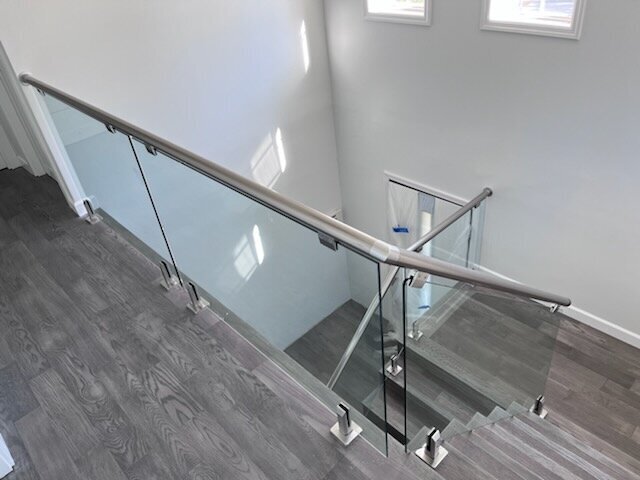
Modern Railing Co's aluminum railing & glass railing systems are available in various styles to complement residential and commercial settings. Main features include:
* Strong and durable construction (weatherproof)
*3/8 & 1/2 inch Tempered Glass
*9/16, 11/16 and 13/16 Laminated Tempered Glass
* Extremely long service life
* Unique finish (anodizing) which fulfills high quality standards (doesn't rust or corrode).
* High resistance to UV radiation (doesn't flake or crack)
* Flexible designs
* Easy maintenance
* All items are in stock