
Call For estimate
Glass Railings
Black Aluminum Railings
Dark & Light Wood Railings
Aluminum Railings
Call (561)672-0717

Knee Wall Railings
Fascia Mount Railings
Indoor Stair & Surface Mount Railings
Outdoor Stair & Surface Mount Railings
Handrails
Standoff-Pins Glass Railing Systems
Glass Railing Post Systems

How High Does a Pool Fence Need to Be in Florida and What Chapter 515 Mandates
Drowning is still the leading cause of accidental death for young children in the state. These preventable tragedies pushed lawmakers to create the Residential Swimming Pool Safety Act, known as Chapter 515. The law requires barriers that stop unsupervised pool access, especially for children, elderly family members, and people with disabilities.
Chapter 515 covers any residential pool, spa, or hot tub built after October 1, 2000. The law says you need at least one approved safety feature to keep people from accessing the pool without supervision. Getting familiar with these requirements helps homeowners meet their legal obligations while keeping their families safe.
How High Does a Pool Fence Need to Be in Florida
The barrier needs to stand at least 48 inches tall, measured from the outside ground level. This height stops small children who might try to climb over.
The barrier also needs to eliminate surfaces and gaps kids could use to climb. Openings can't be more than four inches across. Chain-link fences get a bit more flexibility with mesh size up to 1¼ inches if slats are fastened at both top and bottom.
For horizontal bars, they need at least 45 inches of space between them. Closer spacing means the vertical pickets can be no more than 1¾ inches apart. Glass panel systems work well here because the smooth surface doesn't give kids anything to grab onto.
Gate Requirements and Self-Closing Mechanisms
Building inspectors pay close attention to gate mechanisms during compliance checks. All gates that lead to the pool need to swing outward, away from the water. They also need to close and latch on their own, with the latch sitting at least 54 inches off the ground on the side facing the pool.
This height keeps young children from reaching the latch. The self-closing feature works as a backup for those times adults forget to secure it manually. Many homeowners go with magnetically triggered latches that resist tampering.
Where to Position Your Pool Barrier
Chapter 515 also covers where barriers should sit relative to your pool. The barrier can't be right at the pool's edge. It needs to be far enough away so that if someone manages to breach the fence, they won't fall straight into the water.
This buffer zone gives parents and caregivers a few extra seconds to react. Some counties require a minimum five-foot clearance between the barrier and the water's edge. This placement detail matters as much as getting the height and latches right.
Different Types of Pool Barriers That Meet Code
Pool barriers include more than traditional fences. Your home's exterior wall can serve as part of the enclosure, but there are specific rules. Understanding these requirements helps homeowners who have doors that open directly to their pool areas.
Many properties have sliding glass doors or French doors that open from the house straight to the pool area. If your home wall becomes part of the pool enclosure, the law has specific safety measures to stop unsupervised access.
The wall can't have any unprotected doors or windows leading to the pool. If it does, you need either exit alarms on every access point, or self-closing, self-latching devices with releases set at 54 inches height on the pool-facing side.
What Pool Door Alarms Need to Include
Exit alarms need to meet strict standards. The alarm has to reach at least 85 decibels at 10 feet away, louder than normal conversation. The sound needs to keep going for at least 30 seconds after someone opens the door.
The reset switch has to sit at minimum 54 inches above the floor so children can't turn it off. If you have both a main door and screen door, the alarm needs to catch both openings.
Dealing with Pet Doors in Pool Areas
Pet doors that open directly to pool areas create real compliance issues. These low passages work as access points that children can use to reach the water. The law doesn't allow pet doors as part of a compliant barrier.
You have three ways to handle this. Permanently seal the pet door, move it outside the pool enclosure, or put up a separate barrier. Some families use removable mesh barriers that create a pet zone while securing the pool area from children.
When Your House Wall Becomes Part of the Barrier
Pool Alarm Requirements and How Safety Features Work Together
Does my existing backyard fence count?
Not always. Your perimeter fence has to meet all the specs in Chapter 515, including height, gap, and clearance. A lot of older fences have horizontal rails spaced too close together or decorative elements that kids could use as footholds.
What are the rules for above-ground pools?
Above-ground pools with walls at least 48 inches high might not need extra barriers if the ladder can be removed and locked away during use. Jacuzzis and spas follow the same rules as in-ground pools. Some homeowners add safety railings around the perimeter even if not strictly required for additional peace of mind.
Do I also need a pool alarm in Florida?
You need at least one safety feature installed, either a compliant fence, a safety cover, or exit alarms. If your home wall is part of the pool barrier, alarms on all access points become required unless other safety features take care of the need.
Chapter 515 sets the baseline for the whole state, but local jurisdictions add their own enforcement procedures. Knowing these regional differences helps you get everything right.
Palm Beach County Enforcement
Building departments here require permits for most pool fence installations. They do final inspections to verify compliance before handing out certificates of occupancy. Inspectors really pay attention to that five-foot clearance between the barrier and water's edge.
Miami-Dade County Hurricane Standards
Miami-Dade adds wind resistance standards on top of basic requirements. Barriers have to hold up against hurricane-force winds while still keeping people safe. Approved materials include heavy galvanized wire, impact-resistant aluminum, and reinforced glass built for storm conditions. Gap specs get stricter here too, with decorative elements limited to 1¾ inch spacing.
Regional Variations in Pool Fence Requirements

How Local Building Departments Handle Enforcement Through Sales or Complaints
The state treats pool fence violations as second-degree misdemeanors. But the enforcement approach leans toward education rather than punishment. Homeowners get 45 days to fix violations and need to complete a state-approved drowning prevention program. If you meet both requirements, charges typically get dropped.
Local building departments handle enforcement in different ways. Some do proactive inspections during home sales or renovations, while others respond to complaints. Either way, the compliance standards stay the same statewide.
Installation and Permit Considerations
Professional installation brings advantages that go beyond physical safety. Installers know the local codes, how counties interpret things differently, and what inspectors look for. Most municipalities require permits for pool barriers. Building departments check compliance during final inspections before giving out certificates of occupancy.
Maintaining Compliance After Installation
Compliance doesn't stop after the initial installation. Self-closing mechanisms need adjustment as components wear down over time. Annual inspections help catch gate operation issues, damage, and clearance problems. Coastal environments speed up wear, so corrosion checks matter for long-term safety.
Next Steps for Pool Safety Compliance
Online resources provide helpful information about pool barrier requirements, but getting a professional assessment addresses your specific property situation. Pool setups vary, site conditions differ, and local interpretations sometimes go beyond state minimums.
Working with experienced installers who handle permit processes and coordinate inspections helps deliver installations that meet both safety regulations and design goals. For more detailed information about specific requirements, check resources from your local building department or state regulatory agencies.
Pool safety barriers today go way beyond basic chain-link fencing. Compliant solutions now blend legal requirements with good design.
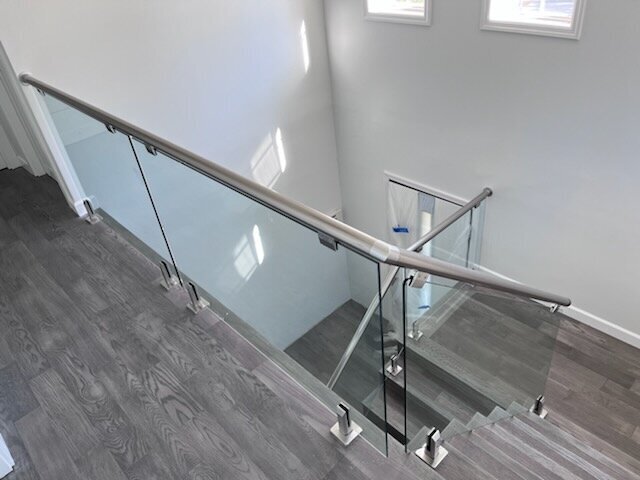
Frameless glass systems let you keep your water views clear while meeting all the height and gap specs. Self-latching gates blend right in, giving you security without blocking the view. These glass barrier systems have become increasingly popular in residential settings.
Aluminum systems deliver compliance with a different look. Powder-coated finishes hold up against salt air and humidity. Both materials can be customized for curved sections, privacy panels, and built-in LED lighting.
Modern Pool Barrier Options That Meet Code

What Chapter 515 Requires from Pool Owners
We provide free estimates and service South Florida - Palm Beach County, Broward County and Miami-Dade County. All of our material is available & in stock making, turnaround time currently at 2-3 weeks (subject to change) for installations and for shipping orders within 5 business days in US & abroad.
Modern Railing Co has top quality material, industry experience, dedication to service, make us different than others. We will deliver your expectations!
Modern Railing Co's aluminum railing & glass railing systems are available in various styles to complement residential and commercial settings. Main features include:
* Strong and durable construction (weatherproof)
*3/8 & 1/2 inch Tempered Glass
*9/16, 11/16 and 13/16 Laminated Tempered Glass
* Extremely long service life
* Unique finish (anodizing) which fulfills high quality standards (doesn't rust or corrode).
* High resistance to UV radiation (doesn't flake or crack)
* Flexible designs
* Easy maintenance
* All items are in stock
Request a Quote
South Florida GLass & Aluminum Railings
Check out our reviews on Google
About US
(561)672-0717
info@modernrailingco.com
980 North Federal Highway Suite 110
Boca Raton, FL 33432
Shipping Available in the US & Installation in South FLorida.
Contact Us