
Railing Repair and Replacement in South Florida
If your railing is loose, corroded, cracked, or pulling away from its anchors, the first question is whether it can be repaired or needs to be replaced. Localized damage may allow a targeted repair. Widespread deterioration, damaged anchors, unavailable parts, or movement across several sections often calls for replacement.
Modern Railing Co provides railing repair and replacement for homes, condos, and commercial properties across Palm Beach, Broward, and Miami-Dade counties. The condition of the railing, its connections, and the surrounding structure all need to be considered before the work is priced.
When Does a Damaged Railing Need Immediate Attention?

Keep people away from the area if the railing moves under normal hand pressure, has cracked glass, contains open gaps or is separating from the surface below it. Photos can help with an initial conversation, but they cannot confirm the condition of anchors or the material beneath them.
Arrange an on-site review promptly if you notice:
- Posts or handrails that wobble
- Cracked, chipped or displaced glass panels
- Missing balusters, infill or hardware
- Posts pulling away from concrete, wood or steel
- Rust with holes, splitting or visible metal loss
- Damage after an impact or storm
Do not lean on the railing or tighten a visibly damaged connection before the cause is known. Movement can come from a failed anchor or damaged substrate, not only a loose fastener
Can the Railing Be Repaired or Does It Need Replacement?
A repair may be practical when the damage is limited to one area, the surrounding components remain sound and compatible parts are available. Replacement becomes more likely when the same problem appears across the run, anchors or supporting material are damaged, or the existing system cannot be matched safely.
| Condition | Repair May Be Practical | Replacement Is More Likely |
|---|---|---|
| One Loose Connection | The connection is accessible and the surrounding material is sound | Several posts move or the base material is damaged |
| Corrosion | Staining or coating damage is limited and no metal has been lost | Metal is pitted, perforated, split, or weakened across several areas |
| Broken Glass | One panel can be matched to a documented system | The hardware is damaged or matching glass cannot be sourced |
| Peeling Finish | The base metal remains intact after the cause is addressed | Corrosion is developing beneath the coating or failure keeps returning |
| Inspection Finding | The report identifies one correctable detail | Height, openings, load, or geometry require a wider redesign |
The decision should address the cause. Tightening one post will not repair a damaged anchor hole, and paint will not restore lost metal.
What Is Causing the Railing Damage?
A wobbly post may come from a loose fastener, enlarged anchor hole, cracked concrete or movement in the base. Rust may begin with coating damage, trapped water, salt deposits or contact between dissimilar metals.
| What You See | What May Need to Be Checked | Why It Matters |
|---|---|---|
| Rust or Staining | Coating damage, salt deposits, trapped water, and dissimilar metals | Cleaning will not repair lost metal or a wet connection |
| Wobble | Fasteners, anchors, brackets, and the supporting surface | Tightening hardware can temporarily hide anchor damage |
| Cracks Near a Post | Movement, corrosion expansion, water intrusion, and the condition of the slab or deck | The adjacent material may need work before the railing is reset |
| Peeling Finish | Surface preparation, weather exposure, and corrosion beneath the coating | A new coating may fail if the underlying cause remains |
| Broken Panel or Infill | Impact damage, support movement, and component compatibility | The hardware should be checked before a replacement panel is installed |
Can a Corroded Railing Be Repaired?
Yes, when the problem is limited to surface staining or a small area and the metal remains sound. Pitting, holes, splitting or corrosion around several anchors often makes replacement more practical.
Light tea staining on stainless steel is different from deep pitting or corrosion around a fitting. On properties exposed to salt air or spray, corrosion protection for metal railings also depends on material selection, drainage, connections and routine care.
What Happens During a Railing Repair Assessment?
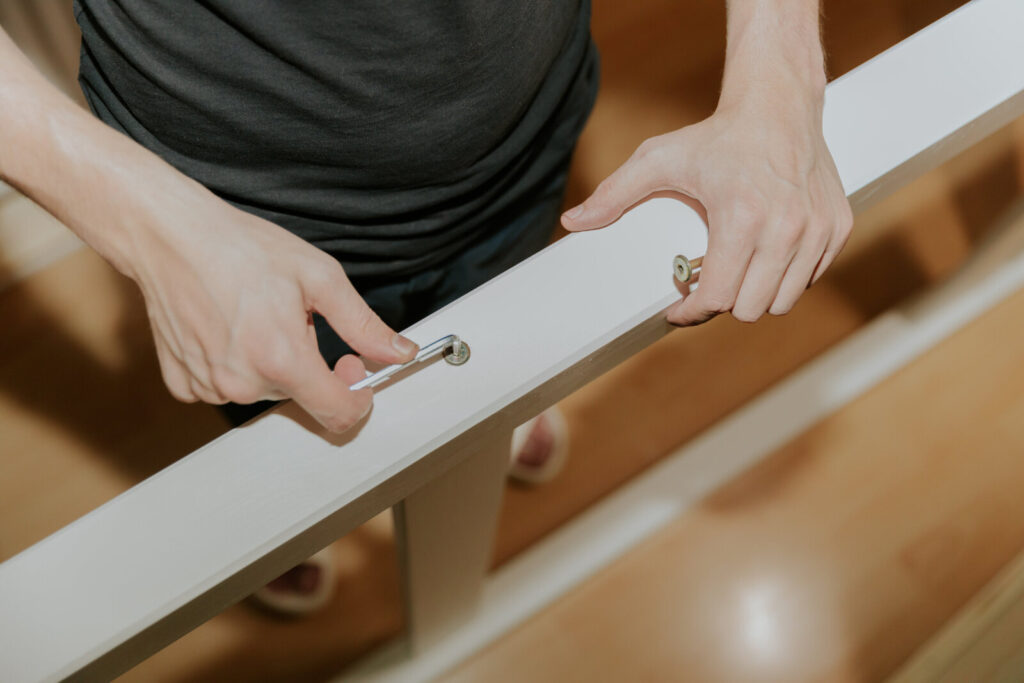
The site review should establish what failed, how far the damage extends and whether replacement parts can be matched. The surrounding material must also be considered before the railing is reset or replaced.
A typical review considers:
- Immediate risk and access to the damaged area
- The railing material, configuration and visible connections
- Anchors, brackets, welds and the adjacent surface
- Whether the condition is isolated or repeated
- HOA rules, permits, engineering and work by other trades when relevant
The written scope should separate railing work from concrete, waterproofing, framing or engineering work. Calculations, destructive testing and structural approval belong with the appropriate qualified professional.

Repair and Replacement for Different Parts of the Property
The same defect can lead to a different scope depending on where the railing is installed.
Stair Railings
A wobbly stair railing may involve a wall bracket, handrail connection, newel post or the stair structure itself. The repair also needs to preserve a comfortable grip and continuous support along the stair.
Balcony Railings
Deck Railings
Loose posts on a deck can point to split framing, rot or corroded fasteners below the finished surface. The deck structure should be checked before a new guard is attached to the same area.
Condos and Commercial Properties
Occupied buildings may require controlled access, consistent finishes, and coordination with owners, tenants, or property management. A condo or HOA railing replacement may also require board approval before materials or finishes are ordered.
What Affects Railing Repair and Replacement Cost in South Florida?
Cost in South Florida depends on the extent of the damage and the work required around it. Repeated damage, difficult access, or work at a slab edge can broaden the scope.
Common cost factors include:
- Number of damaged sections
- Availability of compatible profiles, panels and hardware
- Access, staging and protection of occupied areas
- Removal and disposal of the existing railing
- Condition of the concrete, wood or waterproofing
- Engineering, permits or HOA approvals when required
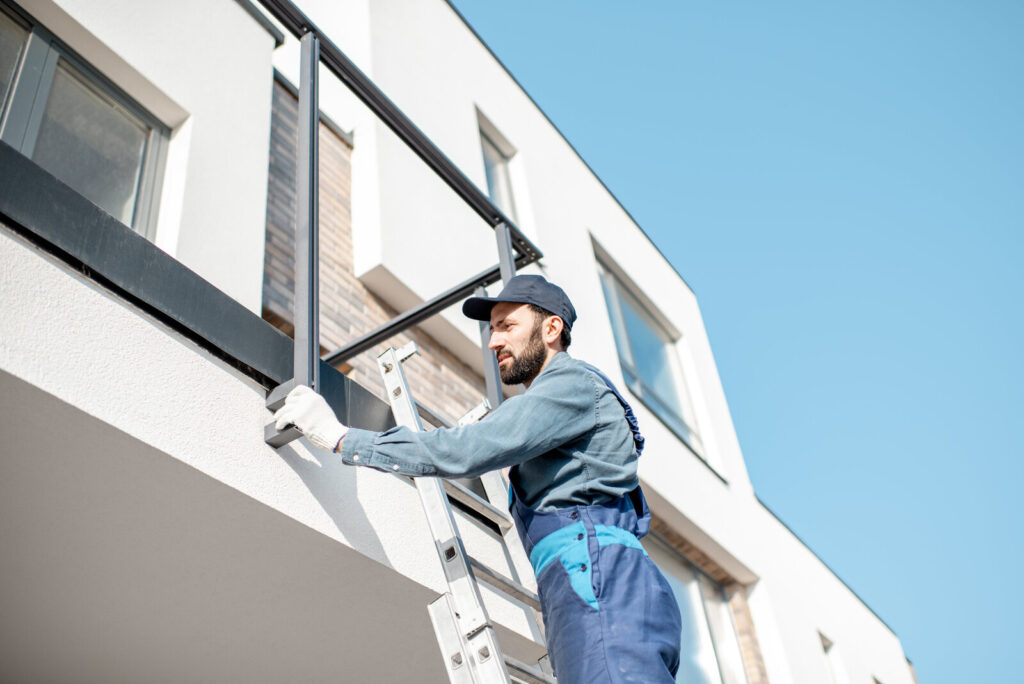
- Length, material and mounting method of a replacement system
When replacement is necessary, pricing follows the same material, access, and installation variables as a new railing project. A written estimate is more useful than a price based only on one photo or symptom.
What If the Railing Failed a Building Inspection?
Start with the written report and the exact condition that was cited. The correction should respond to that finding rather than cover it with a cosmetic repair.
The next steps usually include:
- Obtain the full report and identify the affected railing section
- Confirm whether a contractor, engineer or another professional must define the correction
- Coordinate railing work with any concrete or waterproofing repairs
- Complete the documentation required by the association or building authority
A railing that failed a Florida building inspection may need a targeted correction or a broader replacement, depending on the cited issue and the condition found on site.
If Replacement Is the Better Option
The new railing does not always need to copy the failed system. Material, finish and mounting can be reconsidered if the existing design no longer suits the property, provided the replacement meets the project requirements.
Request a Railing Repair or Replacement Estimate in South Florida
When you request an estimate, include the property address, a short description of the problem and several photos. Modern Railing Co serves Palm Beach, Broward and Miami-Dade counties and can be reached at 561-672-0717.
Questions About Railing Repair and Replacement
Do Railing Repairs in South Florida Require a Permit?
Who Is Responsible for a Damaged Balcony Railing in a Florida Condo?
Are Railing Requirements the Same Across Palm Beach, Broward and Miami-Dade?
No. Broward and Miami-Dade are within Florida’s High-Velocity Hurricane Zone, while Palm Beach County is not, but exterior work in all three still has to meet the requirements for that property. A full replacement may call for project-specific engineering and a railing system suited to South Florida wind exposure.
