Call For estimate
Glass Railings
Black Aluminum Railings
Dark & Light Wood Railings
Aluminum Railings
Call (561)672-0717

Knee Wall Railings
Fascia Mount Railings
Indoor Stair & Surface Mount Railings
Outdoor Stair & Surface Mount Railings
Handrails
Standoff-Pins Glass Railing Systems
Glass Railing Post Systems

Does Aluminum Rust Near the Ocean? A Guide for Florida Coastal Homes
You bought your waterfront home for the views. The Intracoastal sunsets, the ocean breeze, the sound of waves. But a few years in, you notice something frustrating. Your railings are rusting. Paint is flaking off. The metal looks pitted and worn.
Living on the coast means dealing with salt air. And salt air is brutal on most metals. If you're researching options, you're probably wondering if anything can hold up to Florida's coastal conditions without constant maintenance.
Here's what you need to know about aluminum and salt water air.
What Causes Railings to Rust Near the Ocean
Salt particles from the ocean drift through the air and land on everything. Mix that with humidity and you get corrosion on iron and steel. It starts with small rust spots. Give it a year or two and you're looking at real damage.
Wrought iron might look nice at first, but in coastal areas it needs constant attention. Scraping, priming, and repainting every couple of years just to keep it from falling apart.
Aluminum doesn't rust like iron does. This surprises a lot of people who assume all metals react the same way to salt water air.
Instead of orange-brown rust that eats through metal, aluminum forms a thin oxide layer on its surface. This layer protects the metal underneath from further damage. You'll see this on residential aluminum railing installations in places like Miami Beach and Pompano Beach. The material fights off corrosion naturally. No rust stains running down your deck. The railings just hold up year after year.
Why Aluminum Doesn't Rust Like Iron or Steel
Powder-Coating As Extra Protection for Salt Air Exposure
Aluminum resists corrosion on its own. Powder coating gives it an extra layer of defense. Unlike regular paint that sits on top, powder coating bonds with the metal through heat.
The finish doesn't chip or peel easily. It stands up to UV rays without fading and handles salt spray without breaking down. Powder-coated aluminum systems have become common in coastal Florida for this reason.
A lot of homeowners think durable means boring. That's not true anymore. If you've been looking at waterfront deck railing ideas around Florida, you've probably noticed the variety in modern aluminum systems.
Horizontal Rails
These create clean lines that don't block water views. The rails run parallel to the water instead of cutting across your sight lines. You get safety without feeling closed in. Popular on upper decks and balconies.
Dark Finishes
Black aluminum options have become common for coastal homes. The dark color stands out against light backgrounds but doesn't dominate the view. Works with most architectural styles and doesn't fade in the sun.
Glass and Aluminum
Glass panels with aluminum posts give you completely unobstructed views. You see straight through to the water. The aluminum frame handles the structural load while the glass stays invisible.
How Much Work Do Coastal Railings Really Need?
Here's what you're getting into with different materials.
Traditional iron or steel means scraping off rust, applying primer, repainting, and repeating every few years.
Aluminum means washing with mild soap, rinsing, and you're done.
The time savings add up. So do the cost savings. No paint, brushes, or rust remover. No one comes out to repaint every few years. Aluminum works if you want railings that don't need constant attention.
Waterfront Deck Railing Ideas for Florida Homes

How Railing Condition Affects Waterfront Home Value
Buyers notice railings. Corroded, rusted railings signal poor maintenance. Clean, intact railings signal care and quality.
Homes with aluminum railings typically sell faster in coastal areas. Buyers don't want to inherit a maintenance project. They want to move in and enjoy the water view.
What works best for oceanfront properties isn't just about looks today. It's about what still looks good and functions well five, ten, or fifteen years from now.
Questions to Ask Before Selecting Coastal Railing Materials
Coastal areas have specific building codes for wind loads and structural integrity. The railings need to meet these standards.
Installation quality matters. Even good materials fail if installed poorly. Connections matter. Fasteners matter. Drainage matters.
You want a good view but you also need safety. The right design balances both.
A cheaper option now might cost more over time if you're repainting and repairing constantly.

Studies on metal corrosion in marine environments show aluminum performs significantly better than steel or iron. The oxide layer that forms on aluminum is stable and protective. It doesn't continue to deteriorate the way rust does on iron-based metals.
In practical terms, aluminum railings installed near the ocean can last 30+ years with minimal maintenance. Traditional iron railings might need significant work or replacement within 10-15 years in the same environment.
What Testing Reveals About Aluminum in Salt Air

Choosing the Right Railing for Your Coastal Property
Salt air destroys most metals over time. Aluminum is different. It doesn't rust. It needs minimal care. And it can look however you want it to look.
If you're building or renovating a waterfront property, aluminum gives you a reliable option. You get decades of use without the constant maintenance cycle. No material is perfect, but for coastal environments, aluminum checks most of the boxes that matter.
We provide free estimates and service South Florida - Palm Beach County, Broward County and Miami-Dade County. All of our material is available & in stock making, turnaround time currently at 2-3 weeks (subject to change) for installations and for shipping orders within 5 business days in US & abroad.
Modern Railing Co has top quality material, industry experience, dedication to service, make us different than others. We will deliver your expectations!
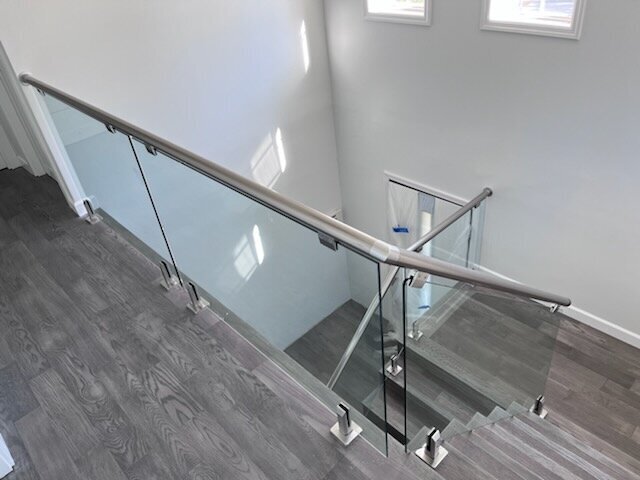
Modern Railing Co's aluminum railing & glass railing systems are available in various styles to complement residential and commercial settings. Main features include:
* Strong and durable construction (weatherproof)
*3/8 & 1/2 inch Tempered Glass
*9/16, 11/16 and 13/16 Laminated Tempered Glass
* Extremely long service life
* Unique finish (anodizing) which fulfills high quality standards (doesn't rust or corrode).
* High resistance to UV radiation (doesn't flake or crack)
* Flexible designs
* Easy maintenance
* All items are in stock
Request a Quote
South Florida GLass & Aluminum Railings
Check out our reviews on Google
About US
(561)672-0717
info@modernrailingco.com
980 North Federal Highway Suite 110
Boca Raton, FL 33432
Shipping Available in the US & Installation in South FLorida.
Contact Us