

Custom Deck Railing Installation in South Florida
If your deck railing is splintering, leaning, rusting, or starting to look dated, it may be time to replace it with something stronger and cleaner.
Modern Railing Co. installs custom deck railings across Palm Beach, Broward, and Miami-Dade County. We work with aluminum, glass, and stainless steel cable systems designed for South Florida weather, salt air, humidity, and daily outdoor use. Every project is measured, fabricated, and installed by our own crew, so the railing is built for your deck instead of forced into place from a standard kit.
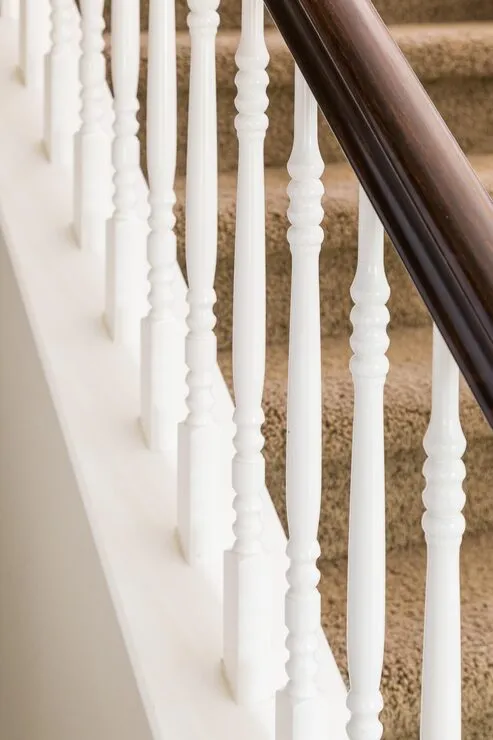
Tired of Resealing Wood Every Year?
Most deck railing replacement in South Florida starts with the same problem. The wood goes first, long before the deck itself does.
Humidity speeds up the rot, the stain fades within a season, and the railing turns into a maintenance project you never asked for.
Switching to a modern system ends that cycle. It also brings the deck back into code, which matters for resale, insurance, and peace of mind around kids, pets, and guests.
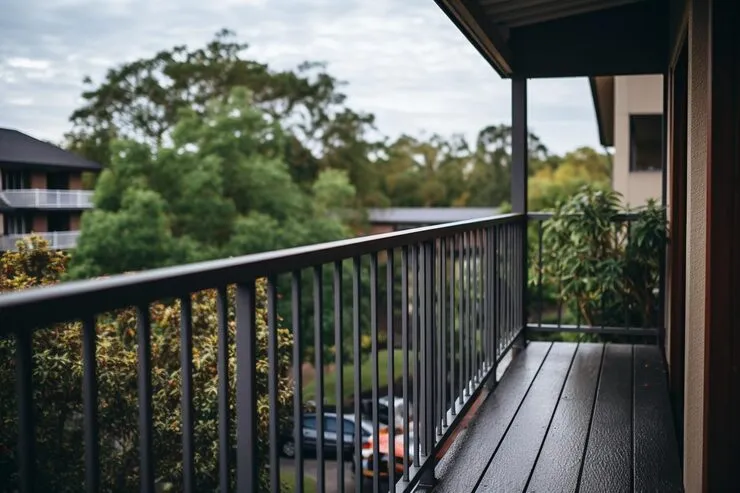
Best Deck Railing Materials for South Florida Homes
Powder-coated aluminum, frameless glass, and stainless steel cable railings outperform wood in every coastal climate. They shrug off salt air, hold their finish under UV, and let breeze move through the deck instead of blocking it.
Aluminum Deck Railing
Aluminum is the most common choice for deck railing replacement. It is strong, low-maintenance, and available in black, dark wood-look, and light wood-look finishes, with round or square post options.
It gives you a clean, modern railing without the upkeep of painted or stained wood.
Glass Deck Railing
Glass works well when your deck has a view you want to keep open. We install 3/8-inch and 1/2-inch tempered glass, along with laminated tempered glass for projects that need higher strength or impact-rated options.
Frameless and post-supported systems are both available, depending on the deck layout, exposure, and design goals.
Cable Railing
Cable railing keeps the deck open while giving it a more architectural look. Stainless steel cables run between aluminum posts, creating a clean line that works well for modern and transitional homes.
Post spacing, cable tension, and layout all matter, so the system needs to be planned correctly from the start.
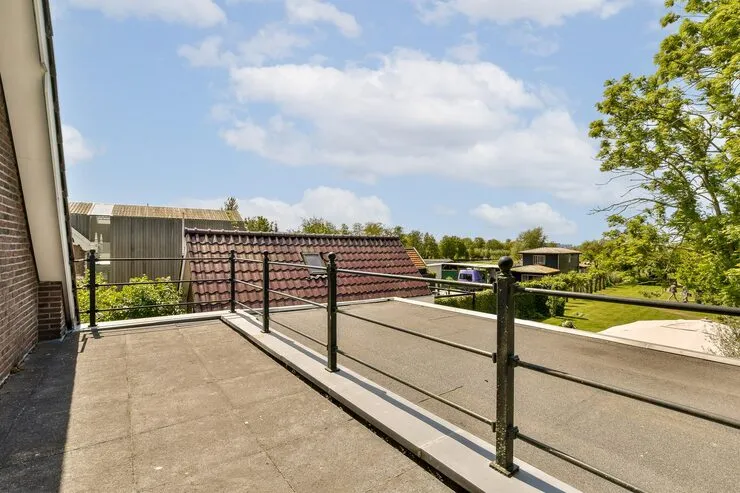
How Deck Railings Are Mounted for Long Term Strength
The right mount depends on what is underneath, not what is on top. A railing that wobbles is almost always a mounting problem, and that is where we focus first.
Deck Railing Installation on Wood and Composite Decks
On wood, posts sit on heavy-duty base plates and lag into solid blocking between the joists. Composite looks like wood but behaves differently, so the mount still goes into the framing below, never the boards themselves. If the framing is soft, blocking gets added before the railing goes in.
Surface Mounted and Core Drilled Railings for Concrete Decks
For pool decks, balconies, and concrete patios, posts are either core-drilled into the slab or surface-mounted with rated anchors. Fascia mounting along the deck edge is another option when you want every inch of walking surface kept clear.
Across all surfaces, the finished railing has to resist a 200 pound concentrated load and 50 pound per foot of uniform load to meet Florida Building Code

Choose the Right Deck Railing Style for Your Space
Material is in stock, and the current turnaround is 2 to 3 weeks from approval to install.
- Black aluminum, round or square post profiles
- Dark wood aluminum, the look of stained wood with none of the upkeep
- Light wood aluminum, a softer tone for neutral exteriors
- Frameless glass, standoff-pin, or base-shoe systems
- Post-supported glass, aluminum posts with tempered glass infill
- Stainless steel cable, tensioned horizontal cables between aluminum posts
- Fascia mount, attached to the side of the deck to preserve walking space
- Surface mount, anchored on top for a faster install
- Handrail-only, for stairs, ramps, and code compliance on existing structures
Most homeowners make the final choice during the estimate, once we can see the deck, exposure, and mounting conditions. If the railing will sit in full sun, salt air, or heavy rain, we’ll walk through the outdoor railing options that make the most sense for that space.
Local Deck Railing Installers for the Tri County Area
Free estimates are available across Palm Beach, Broward, and Miami-Dade County. We regularly work in Boca Raton, Delray Beach, Boynton Beach, Wellington, West Palm Beach, Palm Beach Gardens, Fort Lauderdale, Pompano Beach, Hollywood, Pembroke Pines, Weston, Miami, Coral Gables, Doral, Key Biscayne, and nearby South Florida communities.
Get a Free Deck Railing Installation Estimate
Call (561) 672-0717 or send a message through the contact form to schedule a free site visit. We will look at the deck, explain the railing options that fit the space, and provide a no-obligation quote.
What to Know Before Replacing Your Deck Railings
Do I need a permit to replace deck railings in South Florida?
Sometimes, yes. If the railing is part of a raised deck, balcony, stair system, condo property, or structural safety barrier, the city or county may require a permit before replacement. The safest answer is to confirm before fabrication, especially in Palm Beach, Broward, or Miami-Dade, where local requirements can vary by municipality and property type.
Can I replace my deck railing without rebuilding the whole deck?
Yes, in many cases. If the deck framing is solid, the railing can usually be replaced without tearing out the entire structure. The important part is checking the posts, blocking, fasteners, and attachment points first. A good railing system still needs a sound base underneath it, even when the deck boards look fine from above.
What are the signs that a deck railing should be replaced?
Replace the railing if it moves when leaned on, has soft or rotted posts, loose fasteners, cracked sections, rusted hardware, or spacing that no longer meets code. In South Florida, fading alone is not always a safety issue, but wobbling, splitting, corrosion, or weak attachment points should be handled before the deck is used heavily.
Is aluminum deck railing better than wood for South Florida homes?
For most South Florida decks, yes. Wood can look beautiful, but humidity, UV exposure, rain, and salt air make it harder to maintain. Aluminum is usually the better long-term option when the homeowner wants a clean look without constant staining, sealing, sanding, or replacing damaged sections.
Can old deck railing posts be reused?
Sometimes, but only if they are straight, solid, properly anchored, and compatible with the new railing system. Many older deck railings fail because the posts or blocking underneath were never strong enough. During replacement, the installer should inspect the support points before deciding whether anything can stay.
What should I ask before hiring a deck railing installer near me?
Is cable railing a good choice for a South Florida deck?
Cable railing can be a strong choice when you want a more open view and a modern look. It works especially well on decks facing water, landscaping, or outdoor living areas. The key is proper post spacing, cable tensioning, and hardware selection, because loose or poorly tensioned cable can become a maintenance problem.
What is the most low-maintenance deck railing option?
Can deck railings be installed on composite decking?
Yes, but the railing should not rely on the composite boards alone for strength. Composite deck boards are surface material, not the main structural support. The posts need to connect into the framing or blocking below, so the railing stays secure when people lean on it.
What deck railing style keeps the view most open?
How much does deck railing replacement cost in South Florida?
The cost depends on linear footage, material, layout, mounting method, demolition, hardware, and whether the existing structure needs reinforcement. A straight aluminum railing replacement will usually price differently from glass, cable, fascia-mounted, or multi-level deck railing work. The best estimate comes after measuring the deck and checking what the railing will anchor into.
Should I choose aluminum or cable railing for my deck?
Choose aluminum if you want the most practical, durable, low-maintenance option. Choose cable if the view matters more and you want a lighter visual profile. Many South Florida homeowners use aluminum posts with cable infill because it gives structure, weather resistance, and a more open look at the same time.
