Call For estimate
Glass Railings
Black Aluminum Railings
Dark & Light Wood Railings
Aluminum Railings
Call (561)672-0717

Knee Wall Railings
Fascia Mount Railings
Indoor Stair & Surface Mount Railings
Outdoor Stair & Surface Mount Railings
Handrails
Standoff-Pins Glass Railing Systems
Glass Railing Post Systems

Condo Railing Replacement in Florida. A Practical Guide for Owners and HOA Boards
If you own a condo in South Florida or sit on an HOA board, the rules around building maintenance have shifted dramatically since 2021. New state laws now require structural inspections of aging buildings, and railings are frequently among the first items flagged for repair or replacement. This guide walks through what condo owners and HOA boards need to know about condo railing replacement in Florida, from the new legal requirements to the decision-making process and contractor selection.
What Is Driving the Wave of Condo Railing Replacements in Florida?
It depends on your condo's declaration of condominium. In most cases, balcony railings that are part of the building's exterior structure fall under the HOA's responsibility. Interior unit railings are typically the individual owner's obligation.
This is one of the most common sources of confusion and dispute in condo communities. The declaration of condominium, sometimes called the master deed, defines what qualifies as a common element versus what belongs to the individual unit. Florida law generally treats balcony railings as part of the common elements because they are attached to the building's exterior structure. That classification places the financial and logistical burden on the association.
However, the specifics can vary from one community to another. Some declarations carve out balconies as limited common elements, which can shift certain maintenance duties to the unit owner while keeping major repairs and replacements with the HOA. If you are unsure about your building's arrangement, the declaration is the document to review before any project moves forward.
How Common Area vs. Limited Common Element Classification Affects Cost
The distinction between common elements and limited common elements matters for budgeting. If balcony railings are classified as common elements, the HOA railing replacement cost comes out of the association's reserve fund or through a special assessment split among all unit owners. If they are limited common elements, the cost may be allocated differently, sometimes charged only to the owners who benefit from that specific element.
Boards should work with their association attorney to confirm the classification before sending out assessment notices. Getting this wrong can create legal disputes that delay the entire project.
Who Pays for Condo Balcony Railing Replacement?
Look for a licensed, insured contractor with demonstrated experience in multi-unit condo railing projects, a clear understanding of Florida Building Code requirements, and the ability to manage permitting and inspections from start to finish.
Choosing the right contractor for an HOA railing replacement project is not the same as hiring someone for a single-family home. Condo projects involve multiple units, shared access points, coordination with residents, and higher liability exposure.
A Practical Checklist for Boards
Before signing a contract, verify the following.
- Active Florida contractor's license, searchable on the DBPR website
- General liability insurance and workers' compensation coverage
- Experience with multi-unit condo and HOA railing projects specifically
- References from similar buildings in South Florida
- A written proposal that includes permitting fees, a timeline, and a clear scope of work
- Familiarity with the current Florida Building Code and railing repair and replacement standards
The lowest bid is rarely the safest choice for a project with this level of code compliance and liability at stake. A contractor who underbids the project may cut corners on materials, skip pre-treatment on aluminum finishes, or fail to pull permits, all of which can come back on the association in the form of failed inspections or future repairs.
What Does the Condo Railing Replacement Process Look Like?

What Should HOA Boards Look for When Choosing a Railing Contractor?

The regulatory environment for Florida condos is not going back to the way it was. Boards that plan proactively for railing maintenance and replacement will save money and avoid emergency timelines.
HB 913 introduced reserve funding requirements alongside its inspection mandates. Associations can no longer vote to waive or reduce reserves for structural components, including railings. This means buildings need to be budgeting for eventual replacement now, even if their railings are currently in good condition.
For buildings in coastal areas with heavy salt air exposure, railing deterioration happens faster than many boards expect. Boards that invest in hurricane-resistant railing systems and high-quality powder-coated finishes during replacement can extend service life significantly and reduce long-term costs.
How Florida's Evolving Condo Laws Affect Long-Term Planning

Moving Forward
Condo railing replacement in Florida is no longer optional for many buildings. It is a legal requirement tied directly to the state's milestone inspection laws, and the consequences of ignoring it range from fines to serious liability exposure. Getting ahead of the inspection requirement with a qualified contractor and a clear understanding of the regulatory process is always better than being forced into an emergency timeline with fewer options and higher costs.

A typical project involves a structural assessment, specification of the replacement system, competitive bidding from licensed contractors, permitting, installation, and final inspection by the local building department.
The Structural Assessment
The process usually begins with an engineer's report identifying which railings have failed or are at risk. For buildings undergoing a Florida condo milestone inspection, this assessment may already be part of the Phase 1 or Phase 2 report. The engineer will note specific deficiencies like corrosion, loose anchoring, or railings that no longer meet current Florida Building Code height and spacing requirements.
Specification and Bidding
Once the scope is defined, the board or property manager creates a specification document describing the replacement system. This goes out for competitive bids from licensed railing contractors. The spec should include material type, finish, code compliance requirements, and a timeline. For buildings that also need to address accessibility requirements for handrails and railings, that should be included in the scope from the start.
Permitting, Installation, and Inspection
All railing replacement work in Florida requires a permit from the local building department. A licensed contractor handles the permit application, performs the installation, and coordinates the final inspection. The building cannot close out its milestone inspection obligations until the work passes final review.
Florida's milestone inspection laws, SB 4D and HB 913, now require structural assessments of condo buildings 30 years and older, and aging railings on balconies are among the most commonly flagged deficiencies.
This legislative push started after the Champlain Towers South collapse in Surfside in 2021. In direct response, Florida passed SB 4D in 2022, creating mandatory milestone structural inspections for older buildings. HB 913, signed in June 2025 and effective July 1, 2025, updated and clarified those requirements further.
Buildings that have hit the 30-year mark must now complete a Phase 1 milestone inspection. If the inspector identifies structural concerns, a more detailed Phase 2 assessment follows. Any deficiencies found during that process, including balcony railing systems that no longer meet code, must be repaired. Many South Florida condos built during the construction booms of the 1970s, 1980s, and 1990s in cities like Deerfield Beach, Pompano Beach, and Hallandale Beach are now squarely within this inspection window. The result has been a significant wave of condo railing renovation across Florida, with boards scrambling to budget for and schedule replacement projects.
We provide free estimates and service South Florida - Palm Beach County, Broward County and Miami-Dade County. All of our material is available & in stock making, turnaround time currently at 2-3 weeks (subject to change) for installations and for shipping orders within 5 business days in US & abroad.
Modern Railing Co has top quality material, industry experience, dedication to service, make us different than others. We will deliver your expectations!
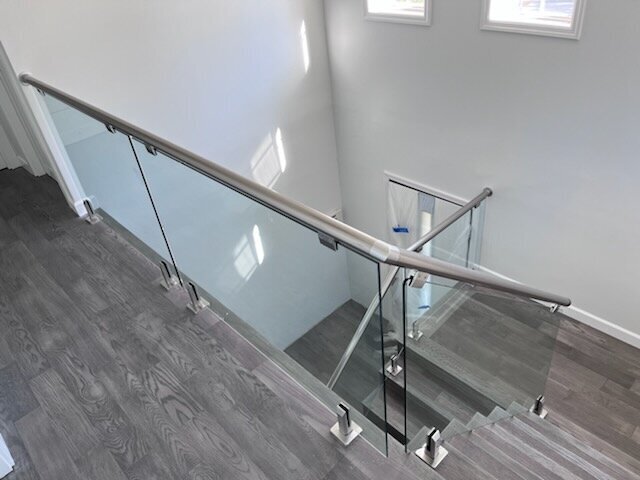
Modern Railing Co's aluminum railing & glass railing systems are available in various styles to complement residential and commercial settings. Main features include:
* Strong and durable construction (weatherproof)
*3/8 & 1/2 inch Tempered Glass
*9/16, 11/16 and 13/16 Laminated Tempered Glass
* Extremely long service life
* Unique finish (anodizing) which fulfills high quality standards (doesn't rust or corrode).
* High resistance to UV radiation (doesn't flake or crack)
* Flexible designs
* Easy maintenance
* All items are in stock
Request a Quote
South Florida GLass & Aluminum Railings
Check out our reviews on Google
About US
(561)672-0717
info@modernrailingco.com
980 North Federal Highway Suite 110
Boca Raton, FL 33432
Shipping Available in the US & Installation in South FLorida.
Contact Us