Call For estimate
Glass Railings
Black Aluminum Railings
Dark & Light Wood Railings
Aluminum Railings
Call (561)672-0717

Knee Wall Railings
Fascia Mount Railings
Indoor Stair & Surface Mount Railings
Outdoor Stair & Surface Mount Railings
Handrails
Standoff-Pins Glass Railing Systems
Glass Railing Post Systems

How to Maintain Deck Railings in Coastal Florida Climate
Coastal living brings beautiful ocean views and year-round sunshine. It also means railings face salt spray, intense UV rays, and high humidity daily. Modern materials handle these conditions well, but understanding proper maintenance helps them last longer and look better.
This guide covers the care techniques that work best for different railing types in seaside environments.
Understanding Environmental Challenges for Outdoor Railings
Railings provide safety and aesthetic appeal for decks, balconies, and staircases. In coastal areas, salt from ocean air settles on surfaces and humidity creates conditions where water collects.
Materials designed for durability still benefit from regular attention. Simple maintenance habits prevent long-term damage and keep systems functioning properly.
Glass panels offer unobstructed views without blocking scenery. Modern glass railing installations in coastal areas are popular for this reason. Keeping them clear is simpler than most people expect.
Effective Cleaning Solutions for Streak-Free Glass
Mix equal parts white vinegar and water in a spray bottle. This combination cuts through buildup without leaving streaks behind. Expensive cleaners and complicated formulas aren't necessary.
Grab a clean microfiber cloth instead of paper towels. Paper leaves lint, while microfiber wipes clean. Keeping separate cloths for railing maintenance prevents transferring residue from other household cleaners.
Managing Salt Deposits and Mineral Buildup
Salt spray is common near the ocean. When left on glass surfaces, it builds up into a cloudy film. The vinegar mixture handles light salt without any problem. For stubborn spots, make a paste with baking soda and water. It removes buildup gently without scratching.
White mineral deposits around the bottom of panels indicate hard water issues. The baking soda paste works here too. Apply it with a soft cloth, give it a minute, then wipe clean and rinse.
Rinsing railings with fresh water after storms or heavy ocean spray helps prevent both problems. Removing salt before it dries makes regular cleaning easier.
The Squeegee Method for Best Results
After you spray and wipe your glass, finish with a squeegee using smooth, overlapping strokes. This removes the cleaning solution and stops water spots from forming.
For second-story railings, get an extendable squeegee so you can reach the outside safely. Don't lean over to clean the far side.
Cleaning once a week or every other week keeps your glass clear. If there's heavy buildup, a pressure washer on a gentle setting clears it off, then go back to your normal routine.
Glass Railing Cleaning Maintenance Tips That Work
Aluminum Railing Maintenance for Coastal Homes
Aluminum railing systems for decks and balconies require minimal upkeep. They resist rust and withstand coastal weather conditions better than many other materials.
Basic Washing Techniques for Powder-Coated Surfaces
Powder-coated aluminum needs simple care. Wash it with mild dish soap and water to remove dirt, pollen, and salt. Use a soft sponge to avoid scratching the coating.
Cleaning frequency depends on proximity to the ocean. Properties a few blocks from the beach benefit from quarterly cleanings. Homes with direct ocean views need monthly attention. After storms that leave salt residue everywhere, a rinse helps prevent buildup.
Avoid harsh chemicals and abrasive scrubbers. They damage the powder coating. Gentle, pH-neutral soap maintains the finish for years.
Inspecting for Surface Damage
While you're cleaning, check for scratches or chips in the coating. Small scratches are no big deal, but deeper ones that show bare metal underneath need attention.
You can get touch-up paint that matches your railing color for small repairs. Check your connection points and fasteners too. The wind here can work things loose over time, so a monthly look-over keeps everything tight.
Maintaining Wood-Grain Textured Aluminum
Wood-look aluminum provides the appearance of wood grain without extensive upkeep. Clean it the same way as standard powder-coated aluminum. The textured surface may trap slightly more dirt in its grooves, but a soft brush removes it during regular washing.
Cable railings provide sleek aesthetics without blocking views. They primarily need proper cable tension to function safely.
How to Check and Adjust Cable Tension
Every couple of months, walk along and look for cables that sag. Press on them with your finger. They should feel firm and not move much. If you can push a cable more than half an inch, it needs tightening.
Most systems have tensioning hardware at each cable end. Use the hex key or wrench from your installation. Turn the fittings clockwise, making small quarter-turns. Then check again. You want firm cables, but don't overtighten. That stresses your posts.
Rod infill systems use double-threaded fittings. Turn these counterclockwise to tighten. Rods usually hold tension longer than cables.
Post Stability and Connection Checks
Regular post inspections catch problems before they affect safety or stability.
Stand back and examine the handrail from different angles. It should run level and straight. Any visible slant or wobble indicates a post issue. Walk along while applying gentle pressure to the handrail. Excessive movement means connections need tightening.
For raised decks, inspect the blocking that supports post bases underneath. Check for screws or bolts that may have loosened. Addressing these issues early prevents structural problems later.
After severe weather events like hurricanes or tropical storms, verify that all components remain secure.
Cable Railing Tension Maintenance

Annual Railing Inspection Checklist
Beyond routine cleaning, conduct a thorough annual inspection. This process takes approximately one hour and identifies issues before they escalate.
1. Inspect All Fasteners and Connections
Walk the entire railing system and test each visible connection point. Tighten any loose bolts or screws.
2. Check for Damage or Corrosion
Examine welds and joints closely. Inspect areas where different materials meet. Modern stainless steel resists corrosion, but visual confirmation provides peace of mind.
3. Perform a Deep Clean
Annual inspections offer good timing for thorough cleaning. Remove cobwebs from corners and clean areas underneath handrails.
4. Test Cable Tension If Applicable
For systems with cable infill, verify cables remain properly tensioned. Most designs allow for re-tensioning using the tools included with installation.
5. Verify Glass Panel Security
Confirm all glass panels sit securely in their frames or standoff pins. Inspect seals and gaskets for signs of wear.
6. Document Findings
Take photographs and notes during inspection. This creates a baseline for comparing future inspections and tracking changes over time.
Long-Term Benefits of Regular Maintenance
Railing systems designed for coastal climates use materials that resist corrosion and withstand years of UV exposure and environmental stress.
The good news is that consistent upkeep typically requires less than an hour each month. That small time investment preserves both structural integrity and aesthetic appeal. Following a structured approach like this railing maintenance guide blog can give you confidence in your system's long-term performance.
Regular cleaning, inspection, and minor repairs prevent larger issues from developing. Understanding the specific needs of your materials helps you make informed decisions about care frequency and methods.
And for anything beyond routine maintenance, consulting experienced installers can help address more complex issues.
Interior stair railings avoid harsh environmental exposure. Without salt spray, UV damage, or rain, indoor systems need cleaning only when dust or fingerprints become visible.
A dry microfiber cloth handles most interior maintenance. For glass panels, the same vinegar solution works well, though less frequently than exterior applications. Monthly dusting keeps aluminum posts and handrails looking fresh.
Annual inspection procedures still apply to indoor systems. Check fasteners and connections, though weather-related wear won't be present.
Indoor Stair Railing Care Requirements

We provide free estimates and service South Florida - Palm Beach County, Broward County and Miami-Dade County. All of our material is available & in stock making, turnaround time currently at 2-3 weeks (subject to change) for installations and for shipping orders within 5 business days in US & abroad.
Modern Railing Co has top quality material, industry experience, dedication to service, make us different than others. We will deliver your expectations!
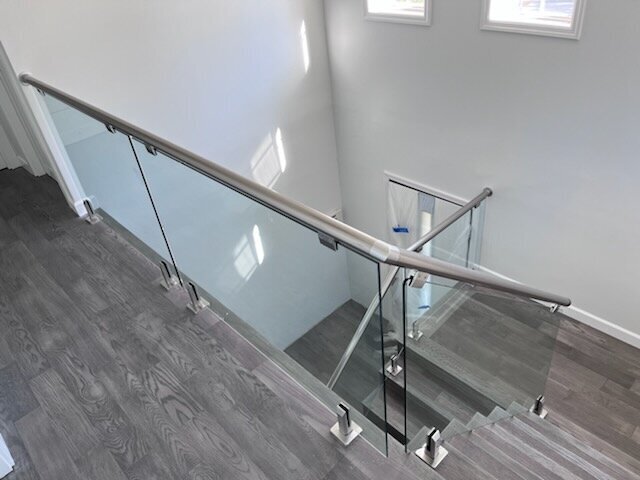
Modern Railing Co's aluminum railing & glass railing systems are available in various styles to complement residential and commercial settings. Main features include:
* Strong and durable construction (weatherproof)
*3/8 & 1/2 inch Tempered Glass
*9/16, 11/16 and 13/16 Laminated Tempered Glass
* Extremely long service life
* Unique finish (anodizing) which fulfills high quality standards (doesn't rust or corrode).
* High resistance to UV radiation (doesn't flake or crack)
* Flexible designs
* Easy maintenance
* All items are in stock
Request a Quote
South Florida GLass & Aluminum Railings
Check out our reviews on Google
About US
(561)672-0717
info@modernrailingco.com
980 North Federal Highway Suite 110
Boca Raton, FL 33432
Shipping Available in the US & Installation in South FLorida.
Contact Us