Call For estimate
Glass Railings
Black Aluminum Railings
Dark & Light Wood Railings
Aluminum Railings
Call (561)672-0717

Knee Wall Railings
Fascia Mount Railings
Indoor Stair & Surface Mount Railings
Outdoor Stair & Surface Mount Railings
Handrails
Standoff-Pins Glass Railing Systems
Glass Railing Post Systems
Some associations allow glass panel installations, especially in newer developments or waterfront areas. Glass creates openness that you just can't get with traditional balusters. Even if your HOA requires posts every few feet, putting glass panels between them changes everything.
Check your guidelines for glass thickness requirements, height specs, and whether they allow tinting or frosting. Most building codes and HOAs accept quarter-inch tempered glass. Some systems use frameless designs that minimize visible hardware. Others have aluminum frames that add structure while still using modern materials.
Mixing Aluminum and Glass for HOA Compliance
If your HOA mandates posts at certain intervals but doesn't prohibit glass, consider mixing materials. Aluminum posts with glass panels between them satisfy spacing rules while giving you some transparency. This middle-ground approach often works when committees push back on fully glass systems.

My HOA Has Strict Railing Rules. What Are My Options for a Modern, Compliant Design?
Your porch railings need replacing. You've been picturing something sleek and contemporary, but then you remember the HOA. Maybe you've already gotten a violation notice about your current railings, or maybe you just know how particular your architectural committee can be. Either way, you're stuck wondering if you'll ever get approval for anything that doesn't look like it came from a 1980s catalog.
Living in South Florida communities like Boca Raton, Weston, and Palm Beach Gardens means HOA regulations are just part of life. These associations exist to maintain property values, but their rules can feel restrictive when you want something modern. The truth is that getting HOA approved railing designs in Florida doesn't have to mean settling for something boring. You just need to know how to work within the system.
Read Your HOA Guidelines Before You Pick a Design
Most people skip this step and end up frustrated later. Get a copy of your association's current architectural guidelines. Not the version from when you moved in, the one that's active right now. Your property manager usually has it, or you can download it from your HOA's website.
Look through it for anything about materials, colors, style requirements, and measurements. Some HOAs only allow certain materials like aluminum. Others let you use glass panels if they meet specific requirements. Color restrictions are pretty common. Many Florida associations stick to whites, beiges, and bronzes, though some newer communities have expanded their palettes. You might also find rules about baluster spacing, post placement, or prohibitions on horizontal designs.
If your HOA requires metal railings, that doesn't automatically mean outdated designs. Modern powder-coated aluminum systems look completely different from those chunky beige posts everyone got tired of years ago. A modern exterior handrail in matte black or charcoal gray with slim profiles can transform how your home looks.
The trick is picking designs with clean lines and simple geometry. Skip anything with decorative scrollwork or Victorian details. Look for hidden fasteners that keep the look minimal. Even if your HOA limits your color choices, the difference between something that looks dated and something that looks current often comes down to the finish quality and how thick the profiles are.
Stuck With Neutral Colors? You Still Have Options
If your guidelines say you have to stick with neutrals, you still have room to work with. Charcoal gray looks modern without being stark black. Bronze finishes add warmth while staying conservative. Even standard white looks contemporary when it's on sleek, thin profiles instead of bulky traditional posts.
Glass Railings and HOA Approval in South Florida
Modern Aluminum Works Better Than You'd Think
How to Submit a Railing Request Your HOA Will Approve
HOA committees review tons of applications. The ones that get approved fast have all the information organized clearly. The ones that get rejected or delayed are usually missing details or poorly put together.
What to include in your submission:
● Detailed spec sheets: materials, finishes, and dimensions
● Manufacturer photos: multiple angles of the product
● Physical color samples: especially for less common colors in your neighborhood
● Renderings or sketches: show what it'll look like installed on your property
Paperwork That Speeds Up Your Approval
Beyond the basics, add warranty information and certifications. Show that your chosen product meets Florida Building Code for wind resistance and structural strength. If similar glass railing systems or aluminum designs have been approved in comparable communities, mention that. Some committees like knowing other associations have accepted the same thing.
Contractors who work regularly in HOA communities know what flies and what doesn't. They've submitted applications before. They know which committees are strict about color and which ones care more about installation details. This kind of knowledge cuts down approval time.
Licensed contractors also add credibility to your application. Committees trust that permitted work from qualified professionals protects everyone's property values. These installers understand the technical stuff that HOAs examine closely like proper mounting, code-compliant spacing, and weatherproofing.
HOA-Friendly Styles That Still Look Current
Slim-Profile Aluminum Railings
Current aluminum railing designs have thin profiles and hidden fasteners. Top rail systems with vertical pickets in powder-coated finishes handle Florida's salt air and humidity. Blacks, bronzes, and whites fit most HOA color requirements while looking contemporary.
Tempered Glass Railings
Tempered safety glass panels mounted in aluminum frames give you unobstructed views and clean styling. Semi-frameless designs cut down on visible hardware. Fully framed systems provide traditional structure using modern materials. Quarter-inch tempered glass meets most safety requirements.
Upgrading Traditional Balusters
If your HOA restricts you to traditional baluster designs, focus on better materials and finishes. Replacing painted steel with powder-coated aluminum in a dark finish changes the whole look. Sometimes getting from dated to contemporary means upgrading material quality and choosing better colors rather than redesigning the structure.

Why Your Contractor's HOA Experience Matters

Frame your proposal around what benefits the community. Better-looking railings help property values. If neighbors have similar modern features, point those out. Committees like seeing consistency.
If they ask you to come to a meeting, go prepared. Bring extra photos and samples. Answer questions directly without getting defensive. If they want changes, respond quickly with updated plans. Fighting them on their authority usually backfires.
Tips for HOA Architectural Review Meetings

Common Reasons Applications Get Rejected
Color issues
Color gets flagged more than anything else. If your first choice gets shot down, suggest alternatives within the approved range—going from true black to bronze or bright white to cream often fixes the problem.
Material concerns
These usually stem from durability worries. Address them by including manufacturer specs on weather resistance and maintenance needs.
Installation method questions
Committees worry about damage to shared property or structural issues. Come prepared with:
● Detailed mounting plans
● Engineering calculations
● Structural engineer approval (often required for multi-story buildings or high-wind coastal zones)
Next Steps for Getting Your Railings Approved
Getting modern railings approved takes some upfront work, but it's doable. Read through your guidelines carefully. Figure out which options fit those rules while still looking current. Put together a complete submission showing you understand the requirements.
Working with contractors who've handled HOA approvals before helps you avoid common mistakes and prepare documentation committees want to see.
Need help figuring out which options work for your situation? Get in touch with your HOA requirements and explore what typically gets approved in your area.
Common Questions About Permits, Costs, and Timelines
People wonder about timelines, costs, permit requirements, and what happens if their application gets denied. Our FAQ section covers these topics, including what to expect during installation and maintenance for different materials.
We provide free estimates and service South Florida - Palm Beach County, Broward County and Miami-Dade County. All of our material is available & in stock making, turnaround time currently at 2-3 weeks (subject to change) for installations and for shipping orders within 5 business days in US & abroad.
Modern Railing Co has top quality material, industry experience, dedication to service, make us different than others. We will deliver your expectations!
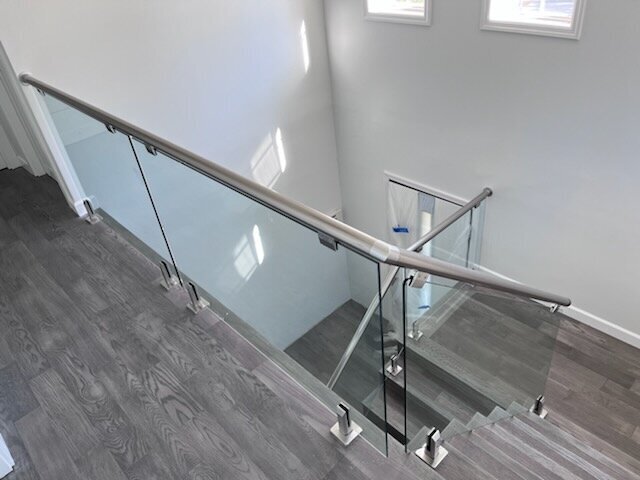
Modern Railing Co's aluminum railing & glass railing systems are available in various styles to complement residential and commercial settings. Main features include:
* Strong and durable construction (weatherproof)
*3/8 & 1/2 inch Tempered Glass
*9/16, 11/16 and 13/16 Laminated Tempered Glass
* Extremely long service life
* Unique finish (anodizing) which fulfills high quality standards (doesn't rust or corrode).
* High resistance to UV radiation (doesn't flake or crack)
* Flexible designs
* Easy maintenance
* All items are in stock
Request a Quote
South Florida GLass & Aluminum Railings
Check out our reviews on Google
About US
(561)672-0717
info@modernrailingco.com
980 North Federal Highway Suite 110
Boca Raton, FL 33432
Shipping Available in the US & Installation in South FLorida.
Contact Us