Call For estimate
Glass Railings
Black Aluminum Railings
Dark & Light Wood Railings
Aluminum Railings
Call (561)672-0717

Knee Wall Railings
Fascia Mount Railings
Indoor Stair & Surface Mount Railings
Outdoor Stair & Surface Mount Railings
Handrails
Standoff-Pins Glass Railing Systems
Glass Railing Post Systems

You bought stainless steel fixtures because they don't rust. So those ugly brown marks showing up on your railings or outdoor appliances probably have you worried. This is called tea staining, and while it looks bad, it's usually not as serious as it seems. Here's what causes it, how to tell if it's actual rust, and what you can do about it.

"Tea Staining" on Stainless Steel: What It Is and How to Prevent It on Your Waterfront Property
What Causes These Brown Stains?

How to Tell Tea Staining from Pitting Corrosion
Start Simple
Mix warm water with mild dish soap. Use a soft cloth or nylon sponge to clean the stained area. Rinse well and dry with a soft towel. This often removes light staining.
For Stubborn Marks
Make a paste with baking soda and water. Apply it to the stain and gently scrub with the grain of the metal using a soft cloth. Going with the grain matters because rubbing across it leaves scratches. You can also use a cleaner with oxalic acid, which removes oxidation without harming the surface.
Rinse Everything
After cleaning, rinse thoroughly with clean water. Leftover cleaning products can cause new stains. Once you rinse and dry, the metal will naturally rebuild its protective layer when exposed to air. This restores its defense against corrosion.

Preventing Tea Staining on Coastal Properties
Choosing the right grade for your location matters long-term. In harsh coastal environments, 316-grade holds up better than 304-grade because it contains molybdenum, which fights chloride damage. If you want minimal maintenance in a challenging environment, consider alternatives like powder-coated railings. These seal the metal under a durable polymer coating that blocks atmospheric contact completely while giving you color choices.
Simple Maintenance Schedule
Living within 500 meters of the ocean? Rinse monthly. After storms with heavy salt spray, do an extra rinse. For properties farther inland or near pools, every three months usually works.
Stainless Steel Grades: 304 vs 316 for Coastal Areas
Grade 304 is the most common type. It works for many applications but struggles in salty environments. Grade 316 includes molybdenum, which gives it much better chloride resistance. This makes it the standard for marine and coastal installations.
Some products apply protective coatings to lower grades. These help but need careful maintenance. Australian Standards allow lower-grade steel in seaside locations if it has appropriate surface treatment. The trick is matching the material to your conditions and how much maintenance you can realistically do.
Caring for Metal Fixtures in Salt Air
Salt air, moisture, and temperature swings create tough conditions. Check all metal fixtures seasonally. Catching early discoloration is much easier than dealing with established staining.
Keep notes on when you last cleaned or rinsed your fixtures. This helps you stay on schedule and provides documentation for warranties. Most quality products come with warranties that require proof of regular maintenance.
The Bottom Line
The main culprit is chlorides from salt in ocean spray, pool water, de-icing products, and some household cleaners like bleach. When chlorides mix with moisture and oxygen, they damage this protective layer and create surface oxidation that shows up as brown discoloration.
Coastal properties face the highest risk, along with areas around pools. This is why the grade matters for outdoor installations. For example, 316-grade works better for glass railing posts in coastal areas because it resists chloride damage better than 304-grade.
Tea Staining vs Rust: Is This Actually Corrosion?
Here's some relief: probably not. Tea staining sits on the surface. It's cosmetic and hasn't damaged the metal's structure. Those brown marks are oxidation products on top of the steel, not the metal itself breaking down.
Real rust, called pitting corrosion, goes deeper. It creates small holes that eat into the metal and weaken it. That's a bigger problem. But tea staining acts as an early warning. If you ignore it, the same conditions can eventually lead to actual pitting.
Sometimes what looks like rust is contamination. If iron particles from tools or grinding sparks land on your stainless during installation, those particles rust and leave stains. The steel itself is fine.
Spotting the Difference
Tea staining appears as broad brown patches. You can remove it with the right cleaning approach. Pitting shows up as small holes or rough spots you can feel with your finger. If the surface feels damaged or you see deep pits, you might have actual corrosion.
We provide free estimates and service South Florida - Palm Beach County, Broward County and Miami-Dade County. All of our material is available & in stock making, turnaround time currently at 2-3 weeks (subject to change) for installations and for shipping orders within 5 business days in US & abroad.
Modern Railing Co has top quality material, industry experience, dedication to service, make us different than others. We will deliver your expectations!
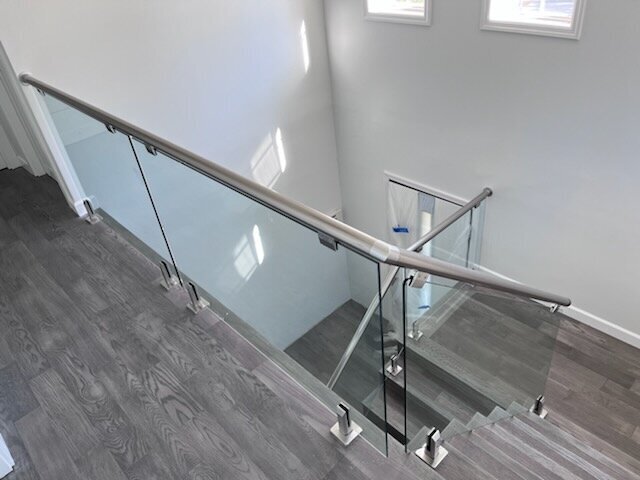
Modern Railing Co's aluminum railing & glass railing systems are available in various styles to complement residential and commercial settings. Main features include:
* Strong and durable construction (weatherproof)
*3/8 & 1/2 inch Tempered Glass
*9/16, 11/16 and 13/16 Laminated Tempered Glass
* Extremely long service life
* Unique finish (anodizing) which fulfills high quality standards (doesn't rust or corrode).
* High resistance to UV radiation (doesn't flake or crack)
* Flexible designs
* Easy maintenance
* All items are in stock
Request a Quote
South Florida GLass & Aluminum Railings
Check out our reviews on Google
About US
(561)672-0717
info@modernrailingco.com
980 North Federal Highway Suite 110
Boca Raton, FL 33432
Shipping Available in the US & Installation in South FLorida.
Contact Us