
Choosing the right railing material for your Florida property goes beyond aesthetics. When you live near the coast, salt air, humidity, and intense sun exposure can deteriorate certain materials in just a few years. Understanding how different metals respond to these conditions can help you avoid costly maintenance and replacements.
Wrought iron and aluminum both have their strengths, but their performance in South Florida’s coastal environment differs significantly. Let’s look at how each material holds up to the challenges of living near the ocean.
How Salt Air Affects Metal Railings
Coastal properties face unique challenges when it comes to exterior metals. Salt particles carried by ocean breezes settle on surfaces and attract moisture from the air. This combination accelerates oxidation and corrosion, even for homes located several miles inland.
Florida’s warm temperatures and high humidity intensify this process. What might take years to develop in other climates can happen in months here, making your choice of railing material particularly important.
Wrought Iron: Traditional Beauty with Maintenance Demands
Classic Aesthetic Appeal
Wrought iron has been a favorite for generations because of its ornate designs and substantial appearance. The material can be shaped into intricate scrollwork and custom patterns that complement historic and luxury properties. For homeowners who value traditional architecture, wrought iron offers undeniable visual impact.
The Challenge of Rust in Coastal Conditions
Despite its beauty, wrought iron faces significant challenges in Florida’s environment. The material is highly susceptible to rust when exposed to moisture and salt. Even with protective coatings, small chips or scratches allow moisture to penetrate, starting oxidation beneath the surface.
Once rust begins, it spreads beneath the paint, causing bubbling, orange-brown staining, and eventually pitting in the metal. Left unaddressed, corrosion can compromise the structural integrity of your railings, creating safety concerns on stairs and balconies.
The Real Cost of Maintaining Wrought Iron
Keeping wrought iron looking good in South Florida requires regular maintenance. Most homeowners need to repaint every two to three years, which involves sanding down rust spots, applying rust-inhibiting primer, and multiple coats of exterior paint.
Professional refinishing typically costs hundreds to thousands of dollars depending on your railing system’s size.
Over a ten or fifteen-year period, these recurring expenses can exceed the initial installation cost. Severely corroded sections may need complete replacement, which becomes even more expensive given the material’s weight and complexity.

Why Aluminum Performs Better in Coastal Areas
Natural Resistance to Corrosion
Aluminum behaves differently than iron-based metals when exposed to air. It forms a thin, protective oxide layer on its surface that prevents further corrosion. Unlike rust, this layer doesn’t spread or cause structural damage.
For properties near the ocean, this natural resistance makes aluminum an ideal choice. Salt air that destroys wrought iron has minimal impact on aluminum, eliminating the rust stains and structural issues common with iron-based materials.
Enhanced Protection with Powder Coating
Modern aluminum railings often feature powder-coated finishes that provide additional durability. This process bonds color directly to the metal through heat curing, creating a finish that resists chipping, fading, and scratches far better than traditional paint.
The result is a railing system that maintains its appearance year after year. An occasional rinse with your garden hose is typically all the maintenance required.
Comparing Durability and Strength
Wrought iron is undeniably heavy and feels solid, but this doesn’t translate to better performance in Florida’s climate. Corrosion gradually weakens the metal, and the added weight makes installation more complex and costly.
Aluminum offers excellent strength relative to its weight. Modern aluminum railing systems meet building codes for both residential and commercial applications. The lighter weight simplifies installation and reduces stress on mounting surfaces, which matters for older homes or elevated decks.
Design Flexibility for Modern Homes
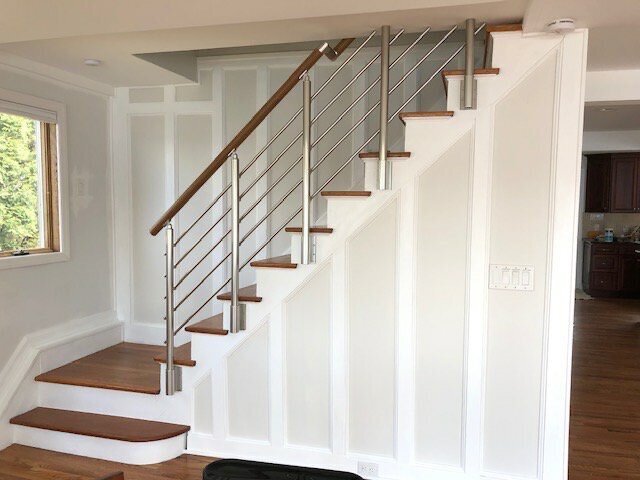
Aluminum railings have evolved beyond basic designs. Today’s options include horizontal cable systems, glass panel inserts, and decorative balusters that rival traditional materials. Color choices have expanded significantly through powder coating, offering everything from classic black and bronze to contemporary grays and whites.
For waterfront properties where preserving views is important, aluminum’s strength allows for wider spacing between balusters or the integration of clear glass panels. These designs maintain safety standards while keeping sightlines open.
Applications for Different Spaces
Balconies and Elevated Decks
Upper-level outdoor spaces face constant exposure to wind and sun. Aluminum railings handle these conditions without warping or degrading. The material’s stability reduces stress on mounting hardware, maintaining secure installations over time.
Pool Areas
Pool environments combine chlorine, moisture, and salt air, creating particularly harsh conditions. Aluminum resists chemical corrosion while maintaining an attractive appearance. Since pool railings must meet strict safety codes, aluminum provides reliable compliance without ongoing maintenance requirements.
Commercial Properties
Hotels, restaurants, and apartment buildings near the coast need railings that withstand heavy use and continuous weather exposure. Aluminum’s durability and low maintenance make it practical for property managers overseeing multiple installations.
Making the Right Choice for Your Property
When comparing aluminum and wrought iron for Florida’s coastal climate, the differences become clear. Wrought iron offers traditional beauty but requires constant attention to combat rust and corrosion. The maintenance cycle continues indefinitely, with costs accumulating year after year.
Aluminum railings deliver long-term value through rust-proof construction and minimal upkeep. For coastal homeowners and property managers, the time and money saved on maintenance makes aluminum the practical choice. Modern designs have eliminated the aesthetic compromises that once made aluminum seem less appealing.
Before making your final decision, consider how much time you want to spend on upkeep and what your budget looks like over the next decade, not just the initial installation. Think about the specific conditions your property faces, including proximity to the ocean and exposure to direct sunlight. The right choice depends on your priorities, but for most Florida coastal properties, the benefits of aluminum outweigh the traditional appeal of wrought iron.
