

You’ve decided on glass for your balcony or deck railing. Good choice. Now you need to figure out how the glass will actually be supported. This comes down to two main options: posts or standoffs. Understanding the standoff vs post glass railing question will help you pick what works for your space.
How Post Glass Railing Systems Work
A glass railing post system is the traditional approach, where vertical supports made from aluminum or stainless steel mount to your deck surface. The glass panels sit between these posts, held in place with clips or clamps.
Posts give you options. You can choose square, round, or blade-style profiles depending on what look you’re after. Some people like how posts frame the view and add structure to the design. Installation is usually more straightforward on existing decks since you’re working with the surface you already have.

Standoff Glass Railing: The Frameless Approach
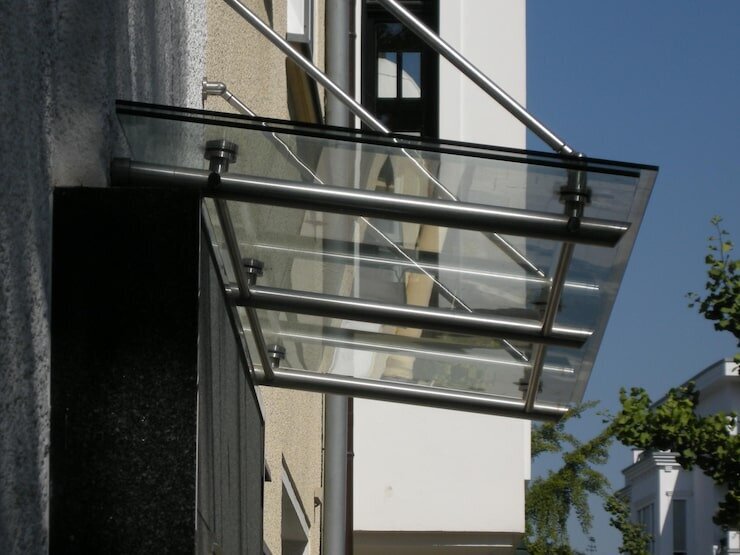
Standoff glass railing takes a different route. Small stainless steel pins attach to the side of your balcony instead of sitting on top. These mount to your fascia board or stringer, creating that floating glass look.
The big benefit is space. Standoffs don’t take up any floor area since they mount to the side. For narrow balconies, this matters. You keep every inch of usable space. The catch is that you need a solid fascia board or beam to attach to. Weak or decorative trim won’t cut it.
Pros and Cons of Glass Deck Railing
Visual Impact: Framed vs. Frameless Glass Railings
Post systems create a framed appearance. The vertical supports add visual interest and work with different home styles. If you like defined lines as part of your design, posts deliver that.
A frameless glass railing using standoffs gives you maximum transparency. The glass looks like it’s floating with minimal hardware visible. This works well for modern homes and when you want the view to take center stage.
Floor Space Considerations for Your Balcony
Posts take up about four to six inches of deck space at each point. On a large deck, no big deal. On a small balcony, particularly in the city, this can affect where you put furniture or how you move around.
Standoff systems use zero floor space. Your deck stays clear edge to edge. This becomes valuable on tight balconies where space is limited.

Installing Glass Balcony Railing: Post vs. Standoff Systems
Mounting Methods for Each System
Post systems drill into your deck floor from the top. This works with most deck structures and allows some flexibility during installation. You can adjust spacing to work around existing framing.
Standoff mounting attaches to the side of your structure. This requires careful alignment to look clean. You need strong side supports that can handle lateral forces from wind. Not every deck has the right structure for this without modifications.
Maintenance and Cleaning Glass Railings
Posts make the glass easy to reach for cleaning. Dirt does collect around the base of each post on your deck, so you’ll need to sweep around those spots regularly.
With standoffs, the bottom edge of the glass can be harder to clean. Leaves sometimes get stuck in the gap between glass and fascia. But your deck floor stays completely clear and is easier to sweep.
Benefits and Drawbacks of Standoff Systems
Standoff systems deliver a sleek look that keeps views open. You get your full balcony floor since nothing mounts on top. The system feels lighter and more open, fitting well with modern styles. When installed on solid surfaces, standoffs hold up well.
You will need thicker glass, which costs more. Installation takes more time and skill to get right. Your deck needs a strong fascia board, which not all structures have ready to go.
Advantages and Limitations of Post Systems
Posts give you style choices with different finishes to match your home. Installation is typically easier, especially when adding to existing structures. The system handles changes in deck level without much fuss. You can pick from various materials to coordinate with other features.
Posts do block some of the view, though many people find this acceptable. They need occasional checking and maintenance, especially wood posts that face weather. The look is more traditional compared to frameless options.

Choosing the Right Glass Railing System for Your Space
The standoff vs post glass railing decision depends on your space and what matters most to you. Narrow balconies benefit from standoff mounting if you have the right structure to support it. The frameless look suits modern homes and situations where keeping views clear is important.
Post systems work when you prefer a framed appearance or when your deck can’t accommodate side mounting. The flexibility and style options make posts reliable across different situations.
Both glass balcony railing systems give you the transparency and modern feel that make glass popular for outdoor spaces. Think about your deck’s structure, how you’ll use the space, and what look you’re after. Check what your balcony can support and pick the system that fits both your practical needs and design goals.
