

Tempered vs. Laminated Glass Railings for Florida Property Owners
Tempered and laminated glass are not opposing materials. “Tempered” describes how glass is heat treated, while “laminated” describes two or more glass layers bonded with an interlayer. A railing panel can be tempered, laminated, or tempered-laminated. The right construction depends on the application, support system, panel size, and project engineering. For South Florida properties, balcony height, wind exposure, coastal conditions, and local review may also affect the approved glass system.
Tempered vs. Laminated Comparison
| Attribute | Monolithic Tempered | Standard Laminated | Tempered-Laminated |
|---|---|---|---|
| Structure | One heat-treated pane | Two or more panes bonded by an interlayer | Fully tempered panes bonded by an interlayer |
| Breakage | Breaks into small fragments | Cracks remain held together | Small fragments remain held by the interlayer |
| Post-Breakage Retention | Limited | Retains fragments within the opening | Retains fragments but loses structural stiffness |
| Common Use | Pool barriers and some captured systems | Guard and railing applications | Higher-load guard and railing applications |
| Main Limitation | The opening may lose its guard function after breakage | Thicker and heavier than a single pane | More expensive than monolithic tempered glass |
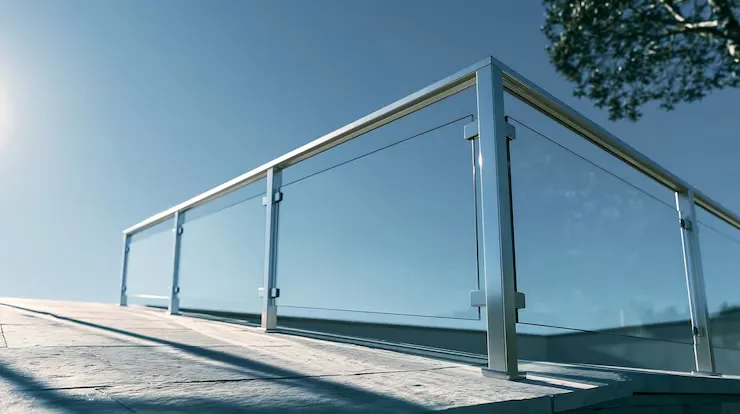
Is Tempered Glass the Same as Laminated Glass?
No. The terms describe different glass characteristics.
Tempered glass is heat treated to increase its strength and change how it breaks. It is still a single pane unless it is bonded to another layer.
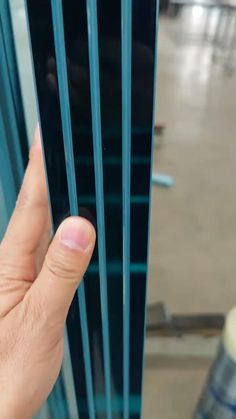
Laminated glass contains two or more panes joined by a clear interlayer. Those panes may be annealed, heat-strengthened, or fully tempered.
A tempered-laminated panel combines both features: heat-treated panes and an interlayer that holds the broken pieces together.

What Happens if Tempered Glass Breaks?
Tempered glass breaks across the full panel into small fragments.
That breakage pattern reduces the risk of large, sharp pieces, but a shattered monolithic panel can no longer function as the barrier it was designed to provide.
What happens to the opening then depends on the complete system, including the frame, top rail and how the panel is captured. A broken panel still needs prompt replacement.
That breakage pattern reduces the risk of large, sharp pieces, but a shattered monolithic panel can no longer function as the barrier it was designed to provide.
What happens to the opening then depends on the complete system, including the frame, top rail and how the panel is captured. A broken panel still needs prompt replacement
What Happens if Laminated Glass Breaks?
Laminated glass usually cracks while the interlayer holds the fragments together. The panel loses strength and may begin to sag or deflect, but it can continue occupying the opening until the damaged glass is secured and replaced.
Post-breakage performance depends on:
- The glass makeup
- Interlayer type and thickness
- Panel dimensions
- Temperature
- Base support
- Top rail
- Remaining unbroken panes
The interlayer delays the loss of the barrier. It does not make a cracked panel safe for continued use

Tempered-Laminated and Heat-Strengthened Laminated Constructions
Tempered-laminated glass uses fully tempered panes bonded by an interlayer. When one pane breaks, it fragments into small pieces held within the laminated panel. Heat-strengthened laminated glass breaks into larger pieces. Those pieces may retain more stiffness within the interlayer after one pane fails.
Neither construction is automatically better for every railing. The approved choice depends on the panel size, support method, wind load and tested system. Quotes should identify the exact glass makeup rather than describe the panel only as “safety glass.”
Florida Building Code and Glass Railings
The published 2023 Florida Building Code, Building, Eighth Edition addresses glass used in guards and handrails in Section 2407. The system still needs to follow the code edition, engineering and local requirements applicable to the specific project.
What Section 2407 Addresses
Glass guards are evaluated as complete systems rather than by panel thickness alone. The approved design may account for:
- Laminated construction
- Fully tempered or heat-strengthened panes
- Panel dimensions
- Support and attachment method
- Top rail requirements
- Applied loads
- Post-breakage performance
The code does not provide one universal glass thickness for every balcony, stair or deck. Final selection belongs in the project drawings and tested system information.
County Amendments and Product Approval
South Florida projects may involve additional documentation based on the property location, building height, wind exposure and railing system. Depending on the project, the review may include:
- Sealed drawings
- Wind-load calculations
- Connection details
- Product documentation
- Permit review
- Field inspections
The applicable code edition and local procedures should be confirmed before glass is ordered.
Last reviewed July 2026
Which Glass Fits Balconies, Stairs, and Pool Areas?
| Application | Main Considerations | Common Direction |
|---|---|---|
| Interior Stair Guards | Panel size, top rail, and indoor environmental conditions | Laminated glass made with heat-treated panes |
| Elevated Balcony Guards | Wind exposure, installation height, and post-breakage retention | Engineered laminated glass |
| Ground-Level Deck Guards | Occupant load and mounting system requirements | Laminated glass in an approved guard system |
| Pool Barriers | Barrier layout, required openings, and gate operation | Tempered glass in an approved pool fence system |
These are general directions rather than project specifications. The final glass depends on whether the installation functions as a guard, pool barrier or both.
Balconies
Balcony guards have greater consequences after panel failure, especially on elevated and high-rise properties. South Florida balcony railings may also need to account for wind exposure, coastal hardware, slab-edge conditions and building access. Laminated glass is commonly used because the interlayer retains broken fragments in the opening. The exact thickness and construction should follow the engineered system.
Pool Areas
A pool fence and an elevated guard do not always serve the same purpose. Florida’s Residential Swimming Pool Safety Act focuses on preventing access to the pool. Where a barrier is used, it addresses features such as barrier height, openings, placement and self-closing, self-latching gates rather than prescribing one specific glass makeup. Approved glass pool fences commonly use tempered panels. If the pool deck also has an elevated open edge, that section may need a glass guard designed for a different load and retention requirement.
Does Glass Thickness Determine Safety?
Thickness matters, but it does not determine safety by itself. Panel performance also depends on:
- Glass construction
- Panel width and height
- Interlayer
- Edge condition
- Wind exposure
- Occupant loads
- Hardware
- Support method
- Top rail
- Attachment to the structure
Common stocked options include 3/8-inch and 1/2-inch tempered glass, plus 9/16-inch, 11/16-inch and 13/16-inch laminated tempered glass. These are available options, not automatic recommendations. Support also matters. Frameless glass may use standoffs or a continuous base shoe, each with a different attachment and load path.

Low-Iron, Clear, Tinted, and Privacy Glass
Appearance and structural performance are separate decisions. Standard clear architectural glass has a slight green tint that becomes more noticeable around thick edges. Low-iron glass reduces that tint and provides a clearer view.
The difference is often most visible against:
- White walls
- Light stone
- Pale flooring
- Water views
- Long glass runs
Tinted, frosted, and privacy interlayers can reduce glare or direct views. They do not remove the need for the correct glass construction, support system, and engineering

Questions to Ask Before Approving a Glass Railing Quote
Before comparing proposals, ask each contractor to identify:
- The exact glass makeup
- Total panel thickness
- Interlayer type
- Tempered or heat-strengthened panes
- Post, standoff or base-shoe support
- Top rail requirements
- Tested system information
- Engineering responsibility
- Permit responsibility
- Replacement process for a broken panel
- Glass and hardware lead times
- Warranty coverage
Avoid relying on general terms such as “safety glass” or “code glass.” The quote should state what is actually being supplied
Glass Options Available Through Modern Railing Co.
Available tempered glass includes 3/8-inch and 1/2-inch panels. Available laminated tempered glass includes:
- 9/16 inch
- 11/16 inch
- 13/16 inch
These thicknesses may be used with post-supported, standoff, fascia-mounted and frameless glass railings.
Final glass selection depends on the application, dimensions, support system and project requirements. Installation is available throughout Palm Beach, Broward and Miami-Dade counties.
Send a Project for Review
Send the property address, application, approximate measurements and photos of the proposed railing area.
Include any available plans, association requirements or engineering documents. For a South Florida project, also mention the building height, balcony level and whether the property has direct coastal exposure.
