
Low Iron Glass Railings
Low Iron Glass Railings: Ultra-Clear Glass Systems for South Florida Properties
Modern Railing Co. specializes in premium low iron glass railing systems that deliver exceptional clarity and transparency for South Florida’s most discerning properties. Our ultra-clear glass railings eliminate the greenish tint found in standard glass, providing truly transparent barriers that maximize views while meeting all safety requirements. From oceanfront residences to luxury commercial properties, our low iron glass railing systems represent the pinnacle of sophisticated design, uncompromising quality, and meticulous craftsmanship.

What Are Low Iron Glass Railings?
Low iron glass railings represent the premium tier of glass railing systems, featuring specialized glass with significantly reduced iron content compared to standard architectural glass. This fundamental material difference creates a truly transparent barrier with exceptional optical clarity that transforms the visual experience of glass railings.
The Science Behind Low Iron Glass
Standard architectural glass contains iron oxide impurities that create the characteristic greenish tint visible particularly at the edges and in thicker panels. This coloration becomes increasingly apparent as glass thickness increases, which is significant for structural railing applications requiring 1/2″ or 3/8″ thick panels.
Low iron glass is manufactured using specialized raw materials with minimal iron content, typically reducing iron oxide levels by 90% or more compared to standard float glass. This reduction virtually eliminates the green tint, resulting in glass with:
- Superior Light Transmission – Approximately 91% compared to 83-85% for standard glass
- Exceptional Color Neutrality – True color representation without green distortion
- Enhanced Edge Clarity – Virtually colorless appearance even at panel edges
- Improved Visual Transparency – Clearer views with reduced visual interference
- Greater Visual Depth – More accurate perception of distance through the glass
Low Iron vs. Standard Glass Railings
The difference between low iron and standard glass becomes immediately apparent when viewed side-by-side, particularly in the following aspects:
Characteristic
Standard Glass Railings
Low Iron Glass Railings
Edge Appearance
Distinct green tint visible at edges
Nearly colorless edge appearance
Color Rendering
Slight color distortion, especially with blues and whites
True color representation with minimal distortion
Light Transmission
83-85% visible light transmission
91%+ visible light transmission
View Quality
Good transparency with slight tinting
Exceptional clarity with virtually invisible barrier effect
Visual Impact
Noticeable glass presence
Nearly invisible barrier effect
While standard glass railings provide excellent performance for many applications, low iron glass represents the premium choice for properties where view preservation and aesthetic perfection are paramount considerations.
Benefits of Low Iron Glass Railings

Superior View Preservation
The primary advantage of low iron glass railings is their exceptional transparency, which maximizes views and visual connection with surrounding environments. This benefit is particularly valuable in South Florida’s premium properties with water, golf course, or skyline views.
The enhanced clarity provides:
- Unobstructed Sightlines – Virtually invisible barriers that preserve million-dollar views
- Enhanced Spatial Perception – Improved sense of openness and connection to surroundings
- True Color Transmission – Accurate representation of exterior colors, particularly important for water views
- Improved Photography – Better results when photographing through the glass, important for properties with significant views
- Consistent Appearance – Uniform transparency regardless of viewing angle or lighting conditions
Elevated Aesthetic Quality
Beyond view preservation, low iron glass railings contribute to overall design excellence through their superior optical properties:
- Premium Visual Impact – Subtle but noticeable quality difference that enhances overall impression
- Enhanced Architectural Integration – Truly transparent elements that don’t compete with other design features
- Superior Light Quality – Improved natural light transmission without color distortion
- Edge Aesthetics – Particularly important for frameless systems where edges remain visible
- Design Purity – Alignment with minimalist design principles emphasizing material honesty
Increased Property Value
Low iron glass railings represent a premium feature that contributes to overall property value:
- Luxury Market Positioning – Expected feature in premium properties
- View Value Preservation – Maximizes the value of expensive views
- Design Differentiation – Distinguishes properties in competitive luxury markets
- Quality Signaling – Communicates attention to detail and quality throughout the property
Long-term Investment – Durable material with lasting aesthetic appeal
Applications for Low Iron Glass Railings
Waterfront Properties
Low iron glass railings are particularly valuable for South Florida’s waterfront properties, where view preservation represents a critical design consideration:
Oceanfront Residences
Our low iron glass systems maximize the value of ocean views:
- Beachfront Homes – Unobstructed views of sand and surf from elevated living areas
- Oceanfront Condominiums – Transparent balcony railings that preserve premium views
- Coastal Estate Terraces – Expansive glass systems for elevated outdoor living spaces
Rooftop Ocean-View Decks – Wind protection without visual obstruction
- Beach Access Stairways – Safe passage with maintained visual connection to the ocean
Intracoastal Properties
Our systems enhance the waterway views that define many South Florida properties:
- Waterfront Patios – Clear barriers that maintain connection to water activities
- Dock Surrounds – Safety barriers with minimal visual impact
- Elevated Waterway Terraces – Maximized views of boat traffic and water features
- Pool Areas Adjacent to Waterways – Seamless visual transition between pool and natural water
- Waterfront Outdoor Dining Areas – Wind protection with unobstructed views

High-Rise Properties
Low iron glass railings are ideal for elevated properties where view preservation is paramount:
Luxury Condominium Balconies
Our systems enhance the value of high-rise residential properties:
- Penthouse Terraces – Premium transparent barriers for premium properties
- Wraparound Balconies – Consistent clarity from all viewing angles
- Stacked Balcony Systems – Uniform appearance across multiple floors
- Cantilevered Viewing Platforms – Structural glass systems with maximum transparency
- Rooftop Amenity Spaces – Clear perimeter barriers for shared luxury spaces
Commercial High-Rise Applications
Our low iron systems enhance commercial properties with significant views:
- Executive Terrace Areas – Premium outdoor spaces for high-end offices
- Rooftop Restaurant Surrounds – Maximized views for dining experiences
- Hotel Pool Deck Perimeters – Enhanced guest experience through superior views
- Observation Areas – Truly transparent barriers for dedicated viewing spaces
- Sky Lobbies – Impressive entry experiences with unobstructed vistas
Luxury Residential Applications
Low iron glass railings enhance sophisticated residential properties throughout South Florida:
Interior Applications
Our systems bring exceptional clarity to interior spaces:
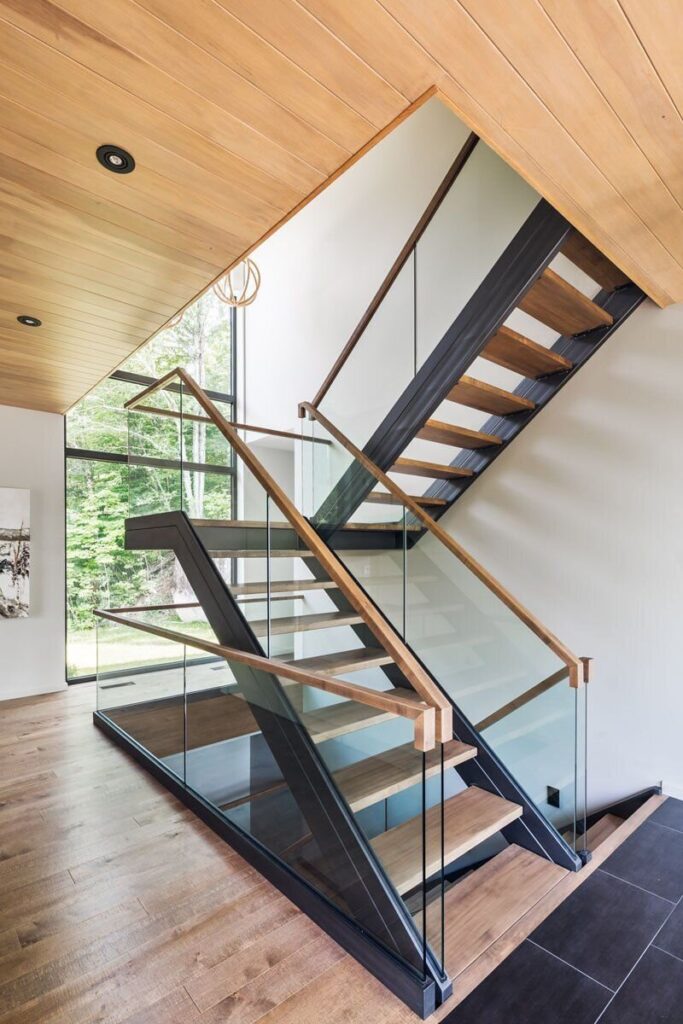
- Grand Staircases – Truly transparent guards for showcase architectural features
- Elevated Walkways – Clear barriers for interior bridges and overlooks
- Loft Surrounds – Open feeling with code-compliant safety barriers
- Interior Balconies – Maintained visual connection between different levels
- Atrium Overlooks – Safety barriers with minimal visual intrusion
Exterior Residential Applications
Our low iron systems enhance outdoor living spaces:
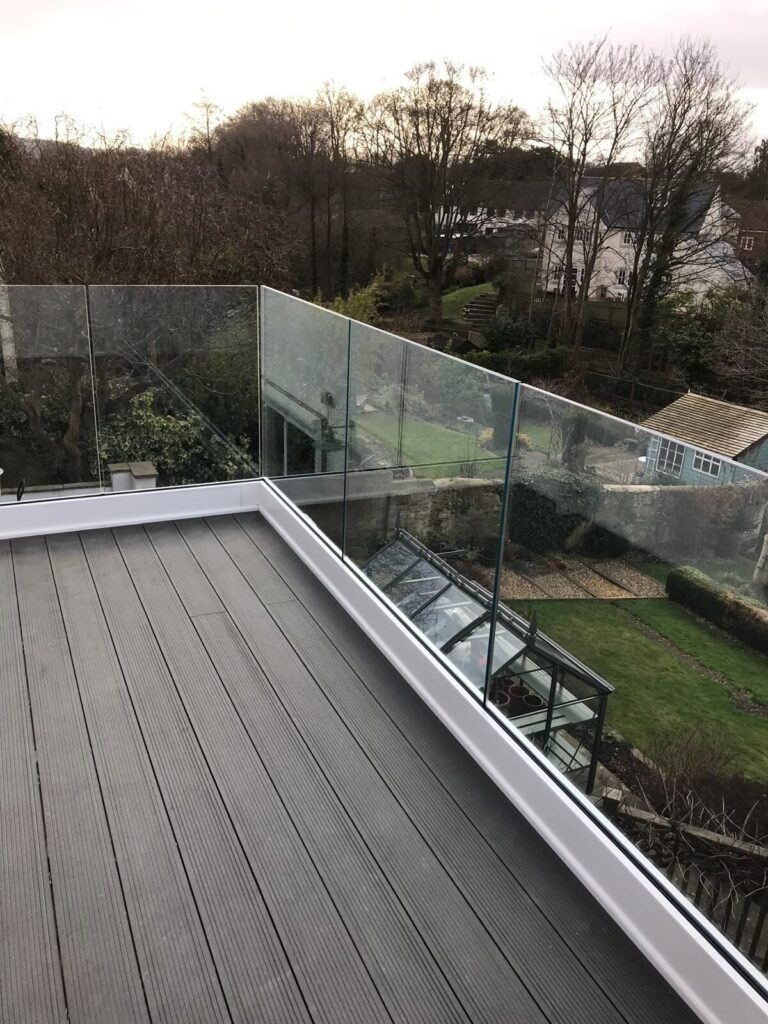
- Infinity Pool Surrounds – Truly transparent barriers that enhance water-edge effects
- Elevated Patio Areas – Clear guards for raised outdoor living spaces
- Rooftop Terraces – Wind protection without view obstruction
- Outdoor Stairways – Safe passage with maintained landscape views
- Elevated Deck Areas – Code-compliant barriers with minimal visual impact
Low Iron Glass Railing Systems
Frameless Glass Systems
Our frameless low iron glass railings represent the ultimate in minimalist design, with specialized mounting systems that eliminate vertical posts and maximize transparency:
Base Shoe Systems
These systems feature glass panels mounted in continuous base channels:
Floor-Mounted Channels – Aluminum or stainless steel base shoes anchored to the substrate
Fascia-Mounted Channels – Side-mounted systems for edge applications
- Concealed Mounting Options – Hidden fastening systems for clean appearances
- Drainage Integration – Engineered water management for exterior applications
- Cladding Options – Decorative covers in various finishes to conceal base components


Standoff Systems
These systems use precision hardware to mount glass panels with minimal visual impact:
- Button Fixtures – Minimal point connections with decorative exposed hardware
- Countersunk Connections – Flush-mounted hardware for cleaner glass surfaces
- Spider Fittings – Multi-point connectors for complex mounting conditions
- Glass Fin Supports – Perpendicular glass elements providing structural support
- Custom Connection Systems – Specialized hardware for unique applications
Semi-Frameless Systems
Our semi-frameless systems combine the transparency of low iron glass with minimal metal components:
Post-Supported Systems
These systems use minimal vertical posts with maximum glass spans:
- Corner Post Systems – Minimal posts located only at directional changes
Widely-Spaced Post Systems – Maximum glass spans between structural elements
- Recessed Post Designs – Structural elements partially concealed in adjacent construction
- Cantilevered Post Systems – Side-mounted posts for clean floor conditions
- Combination Systems – Mixed mounting approaches for complex conditions
Top Rail Systems
These systems feature continuous handrails with minimal vertical supports:
- Structural Top Rail Systems – Reinforced handrails that provide primary support
- Minimalist Cap Rails – Slender top elements that protect glass edges
- Illuminated Handrail Systems – Integrated LED lighting within top rails
- Floating Handrail Designs – Offset top elements mounted to glass panels
- Custom Profile Options – Specialized rail designs for unique projects
Custom Hybrid Systems
Our custom systems combine different approaches to address specific design requirements:
- Mixed Material Systems – Low iron glass combined with complementary materials
- Segmented Designs – Different system types in different locations
- Curved Glass Applications – Bent low iron glass for radius conditions
- Sloped Glass Installations – Angled panels for unique design conditions
Multi-Height Configurations – Varied barrier heights for different requirements

Low Iron Glass Options
Glass Thickness Options
We offer multiple thickness options to meet different structural requirements:
3/8″ (10mm) Low Iron Glass – Standard thickness for most residential applications
1/2″ (12mm) Low Iron Glass – Enhanced thickness for commercial applications or larger spans
5/8″ (15mm) Low Iron Glass – Maximum thickness for specialized structural applications
- Custom Laminated Thicknesses – Specialized constructions for unique requirements
Engineering-Verified Specifications – Thickness determined by structural calculations
Glass Treatment Options
Our low iron glass can be enhanced with various treatments:
- Tempered Low Iron Glass – Heat-strengthened for safety and code compliance
- Laminated Low Iron Glass – Multiple layers with interlayer for enhanced safety
Tempered/Laminated Combinations – Maximum safety for critical applications
Hurricane-Resistant Constructions – Specialized assemblies for high wind zones
- SGP Interlayer Options – Enhanced structural capacity through advanced interlayers
Edge Treatment Options
Edge finishing is particularly important for low iron glass where edges remain visible:
- Polished Edges – High-clarity finished edges with maximum transparency
- Pencil Ground Edges – Slightly rounded profile for elegant appearance
- Flat Polished Edges – Clean, straight edges with polished finish
Mitered Edges – Angled edges for corner conditions
- Custom Edge Profiles – Specialized edge treatments for unique applications
Surface Treatment Options
Various surface treatments can enhance performance while maintaining clarity:
Easy-Clean Coatings – Hydrophobic treatments that reduce maintenance
Anti-Reflective Treatments – Further enhanced transparency through reduced reflections
UV-Protective Interlayers – Reduced ultraviolet transmission while maintaining clarity
- Privacy Gradient Treatments – Partial frosting or opacity for selective privacy
Bird-Safe Patterns – Subtle markings visible to birds while maintaining human transparency
Hardware Options for Low Iron Glass Railings
Premium Metal Finishes
We offer exceptional hardware finishes that complement the quality of low iron glass:
- 316L Stainless Steel – Marine-grade stainless with maximum corrosion resistance
PVD-Coated Stainless – Physical vapor deposition finishes for enhanced durability
- Architectural Bronze – Warm-toned options with living finish characteristics
- Brushed Nickel – Subtle metallic finish with excellent durability
- Custom Powder Coated Finishes – Unlimited color options with textured or smooth surfaces
Specialized Connection Systems
Our hardware systems are engineered specifically for low iron glass applications:
- Precision Glass Clamps – Engineered hardware with exact tolerances
- Articulating Spiders – Adjustable connections for perfect alignment
- Concealed Anchoring Systems – Hidden structural connections
- Isolation Components – Specialized materials that prevent glass-to-metal contact
- Custom Standoff Designs – Specialized hardware for unique mounting conditions


Designer Handrail Options
Our top rail options complement the clarity of low iron glass:
- Minimal Profile Rails – Slender designs that minimize visual impact
Wood-Capped Systems – Warm natural materials combined with glass clarity
- Illuminated Handrails – Integrated LED systems for nighttime enhancement
- Ergonomic Profiles – Comfortable gripping surfaces with elegant appearance
- Custom Metal Profiles – Unique designs for signature projects
Our Low Iron Glass Railing Process
Consultation and Design
Our process begins with understanding your specific needs and aesthetic preferences:
On-Site Assessment – Evaluation of installation conditions and requirements
- View Analysis – Consideration of sight lines and visual priorities
- Material Sampling – Side-by-side comparison of glass options
- Design Collaboration – Working with architects and designers
- 3D Visualization – Digital rendering of proposed systems
Engineering and Fabrication
Our low iron glass railings are engineered for performance and precision:
- Structural Calculations – Engineering verification of all components
- Shop Drawings – Detailed fabrication and installation documentation
- Precision Glass Fabrication – Computer-controlled cutting and edging
- Quality Control Inspection – Multi-point verification of all components
Pre-Assembly Testing – Verification of component compatibility
Expert Installation
Our installation team specializes in premium glass systems:
- Experienced Installers – Specialists in low iron glass systems
Precision Mounting – Exact alignment and positioning
- Proper Handling Procedures – Specialized techniques for ultra-clear glass
Detailed Clean-Up – Thorough post-installation cleaning
- Final Inspection – Comprehensive quality verification
Building Code Considerations for Low Iron Glass Railings
All our low iron glass railing systems are designed and installed to meet or exceed Florida building code requirements:
Structural Requirements
- Load Testing – Systems engineered for required loads (typically 50 lbs/ft horizontal and 200 lbs concentrated)
- Glass Specification – Proper thickness and treatment for structural performance
- Connection Design – Engineered mounting systems with appropriate safety factors
- Deflection Limitations – Systems designed to control movement under load
- Engineering Documentation – Calculations and testing reports for permit approval
Safety Requirements
- Glass Type Compliance – Tempered or laminated safety glass as required by code
- Height Requirements – Typically 42″ minimum for guards (36″ for handrails)
- Opening Limitations – No openings allowing passage of 4″ sphere
- Impact Resistance – Systems designed to withstand required impacts
- Handrail Requirements – Proper graspability where required by code
Florida-Specific Requirements
- Wind Load Calculations – Systems designed for appropriate wind zones
- Hurricane Considerations – Enhanced requirements for high-velocity hurricane zones
- Notice of Acceptance – Product approval documentation where required
- Coastal Construction Requirements – Special considerations for properties near saltwater
- Local Jurisdiction Requirements – Compliance with municipal amendments

Maintenance of Low Iron Glass Railings
Our low iron glass railings are designed for minimal maintenance, but proper care ensures optimal long-term performance:
Routine Cleaning
- Regular Washing – Cleaning with mild soap and water or specialized glass cleaner
- Proper Tools – Soft cloths or squeegees that won’t scratch glass surfaces
- Appropriate Techniques – Methods that prevent streaking on ultra-clear glass
For a free consultation, call us at (561)672-0717 today.
- Frequency Guidelines – Recommended cleaning schedule based on environment
- Spot Cleaning – Prompt attention to fingerprints and localized soiling
Long-Term Care
- Hardware Inspection – Periodic checking of all connection points
- Sealant Maintenance – Monitoring and replacing weatherproofing as needed
- Glass Edge Inspection – Checking for any damage or chipping
- Coating Renewal – Reapplication of easy-clean treatments as recommended
- Professional Servicing – Periodic expert inspection and maintenance
Environmental Considerations
- Saltwater Exposure – Enhanced cleaning protocols for coastal installations
- Hard Water Management – Preventing mineral deposits on glass surfaces
Contact our team at (561)672-0717 to schedule your appointment.
- Construction Dust Protection – Special care during nearby construction
- Seasonal Considerations – Adjusted maintenance during pollen or storm seasons
Post-Storm Inspection – Thorough checking after significant weather events
Why Choose Modern Railing Co. for Low Iron Glass Railings
Material Expertise
Our team brings specialized knowledge of premium glass systems:
- Glass Specification Expertise – Deep understanding of low iron glass characteristics
- Material Selection Guidance – Helping clients choose optimal glass for their application
- Technical Knowledge – Understanding of advanced glass processing and treatment
- Supplier Relationships – Access to premium glass from leading manufacturers
- Quality Control Standards – Rigorous inspection protocols for ultra-clear glass
Design Excellence
Our design approach emphasizes both aesthetics and performance:
- Architectural Collaboration – Working effectively with design professionals
- Custom Solutions – Unique systems tailored to specific project requirements
- Aesthetic Sensitivity – Designs that complement overall architectural vision
- Detail Orientation – Meticulous attention to connections and transitions
- Balance of Form and Function – Systems that are both beautiful and practical
Installation Precision
Our installation team specializes in premium glass systems:
- Specialized Training – Installers with specific expertise in low iron glass
- Proper Handling Protocols – Techniques that prevent damage and contamination
- Precision Alignment – Exacting standards for glass positioning
- Clean Installation Practices – Methods that minimize cleaning requirements
- Quality Verification – Multi-point inspection of completed installations


Featured Low Iron Glass Railing Projects
Our portfolio includes numerous successful low iron glass railing projects throughout South Florida:
Residential Projects
Oceanfront Estate, Palm Beach – Frameless low iron glass system for elevated terrace overlooking Atlantic Ocean
Penthouse Condominium, Miami Beach – Wraparound low iron glass balcony system with 270° views
Modern Residence, Fort Lauderdale – Interior and exterior low iron glass systems throughout multi-level home
Waterfront Property, Jupiter Island – Pool surround and terrace railings with ultra-clear glass
Contemporary Home, Boca Raton – Floating staircase with low iron glass guards and minimal hardware
Commercial Projects
Luxury Hotel, Miami – Rooftop pool deck with frameless low iron glass perimeter
Corporate Headquarters, West Palm Beach – Executive terrace with ultra-clear glass railing system
Waterfront Restaurant, Fort Lauderdale – Dining terrace with unobstructed Intracoastal views
Art Gallery, Palm Beach – Interior mezzanine with minimal visual interference
Condominium Amenity Deck, Sunny Isles – Extensive pool and recreation area with premium glass barriers
Contact Us for Your Low Iron Glass Railing Project
Ready to enhance your property with premium low iron glass railings? Contact Modern Railing Co. today to schedule your complimentary consultation. Our design specialists will visit your home or business, assess your specific needs, and provide expert recommendations and a detailed proposal.
Call us at (561)672-0717 or complete our online form to get started. We look forward to creating the perfect low iron glass railing solution for your property.
Frequently Asked Questions About Low Iron Glass Railings
How noticeable is the difference between low iron and standard glass railings?
The difference between low iron and standard glass railings is immediately apparent to most observers, particularly in side-by-side comparisons. Standard architectural glass contains iron oxide impurities that create a characteristic greenish tint, which becomes increasingly noticeable as glass thickness increases. Since structural railing applications typically require 1/2″ or 3/8″ thick panels, this green tint becomes quite pronounced, especially when viewing through the edge of the glass or when looking through multiple panels. Low iron glass, manufactured with approximately 90% less iron content, eliminates this green tint almost entirely, resulting in truly transparent barriers with exceptional clarity. The most noticeable differences include: edge appearance (standard glass edges appear distinctly green while low iron edges appear nearly colorless), color rendering (standard glass slightly distorts colors, particularly blues and whites, while low iron glass provides true color representation), light transmission (low iron glass transmits approximately 91% of visible light compared to 83-85% for standard glass), and overall transparency (low iron glass creates a nearly invisible barrier effect while standard glass has a noticeable presence). These differences are particularly significant for properties with premium views, where the value of the vista is a major consideration. While the cost difference between standard and low iron glass is typically 20-30%, many clients consider this a worthwhile investment for the enhanced aesthetic quality and view preservation, particularly for oceanfront properties, high-rise condominiums with panoramic views, or architectural showcase homes where design purity is paramount.
What are the cost factors for low iron glass railing systems?
Low iron glass railing systems typically represent a premium investment, with several factors influencing the final cost. The primary cost driver is the low iron glass itself, which generally commands a 20-30% premium over standard architectural glass due to specialized manufacturing processes and raw materials with minimal iron content. This material cost difference varies by manufacturer and current market conditions. Glass thickness significantly impacts cost, with 1/2″ (12mm) panels typically costing 25-35% more than 3/8″ (10mm) panels. Thickness requirements are determined by structural engineering based on span, height, and applicable building codes. Glass treatment adds another cost variable, with tempered low iron glass being the standard minimum (required by building codes), while laminated low iron glass (two glass layers with interlayer) typically adds 40-60% to the glass cost but provides enhanced safety and structural performance. The mounting system represents another major cost component, with frameless systems (using base shoes or standoffs) generally commanding a premium over semi-frameless systems (using minimal posts). Hardware quality significantly impacts both cost and long-term performance, with marine-grade stainless steel (316L) components recommended for Florida’s climate but costing substantially more than standard stainless (304) or aluminum alternatives. Design complexity introduces additional cost factors, with curved glass sections typically costing 2-3 times more than straight sections of equivalent size, and custom angles or connections requiring specialized fabrication. Installation complexity also impacts final pricing, with factors such as mounting substrate (concrete, wood, metal), accessibility challenges, and integration with existing structures affecting labor requirements. While providing exact pricing requires project-specific details, frameless low iron glass railing systems in South Florida typically range from $350-600+ per linear foot installed, with semi-frameless systems generally ranging from $275-450 per linear foot installed. During consultation, we provide transparent pricing options that allow clients to balance aesthetic priorities with budget considerations while ensuring appropriate quality for Florida’s demanding climate.
How do low iron glass railings perform in Florida's coastal environment?
Low iron glass railings perform exceptionally well in Florida’s challenging coastal environment when properly specified and installed with appropriate hardware and mounting systems. The glass itself is inherently resistant to salt exposure, UV radiation, and moisture – the primary environmental challenges in coastal Florida. Unlike standard glass, which can develop a slight haze or discoloration over time in harsh environments, premium low iron glass maintains its exceptional clarity even after years of coastal exposure. The critical performance factor for coastal installations is not the glass itself but rather the hardware and mounting components. For oceanfront or saltwater-adjacent properties, we exclusively recommend 316L marine-grade stainless steel hardware, which contains molybdenum specifically for enhanced salt resistance. Standard 304 stainless steel, while adequate for inland applications, will eventually show corrosion in saltwater environments. For extreme exposure conditions, we often recommend PVD (Physical Vapor Deposition) coated stainless hardware, which provides additional protection through a molecular bonded finish. Proper installation details are equally important for coastal performance, with particular attention to isolation materials that prevent direct contact between dissimilar metals, drainage provisions that prevent water accumulation, and appropriate sealants that maintain their flexibility despite intense UV exposure. Maintenance requirements are slightly higher for coastal installations, with recommended freshwater rinsing every 1-2 weeks during dry periods to prevent salt accumulation, and quarterly cleaning with specialized marine-grade cleaners that remove salt residue without damaging hardware finishes. With these specifications and maintenance protocols, our low iron glass railing systems have demonstrated excellent long-term performance even in direct oceanfront applications, maintaining both structural integrity and aesthetic quality despite constant exposure to salt spray, intense sunlight, and occasional hurricane-force winds. This proven coastal durability, combined with their superior clarity, makes low iron glass railings particularly well-suited for Florida’s premium waterfront properties where both performance and view preservation are essential considerations.
What are the latest design trends in low iron glass railing systems?
Current design trends in low iron glass railing systems reflect broader architectural movements toward minimalism, seamless indoor-outdoor connections, and technological integration. The most significant trend continues to be the shift toward truly frameless systems that eliminate vertical posts entirely, using either base shoe mounting or minimalist standoff hardware. This evolution has been enabled by advances in glass engineering and hardware design that allow for longer spans between supports while maintaining structural integrity. Within this frameless category, we’re seeing increased demand for recessed base shoe installations where the mounting channel is embedded in the floor structure, creating the illusion of glass rising seamlessly from the surface without visible support. For contemporary properties, there’s growing interest in “floating glass” designs where specialized hardware creates small gaps between the floor and glass bottom edge, enhancing the visual lightness of the system. Edge treatment preferences have evolved toward extremely minimal processing, with simple polished edges preferred over more elaborate beveled or shaped profiles that were popular in previous decades. For hardware, we’re observing a strong preference for either complete concealment or architectural expression through premium materials like oil-rubbed bronze or brushed gold finishes that contrast with the glass transparency. Integrated lighting represents another significant trend, with LED systems incorporated into base channels or handrails to create dramatic nighttime effects while enhancing safety. For oceanfront properties, we’re increasingly installing oversized panels (often 5′ or wider) with heights exceeding minimum code requirements (typically 48″ instead of the required 42″) to provide enhanced wind protection for outdoor living spaces while maintaining unobstructed views. Mixed material combinations continue to evolve, with warm wood handrails providing tactile contrast to glass transparency, and architectural metals like blackened steel or bronze creating visual punctuation in otherwise minimalist designs. For ultra-premium projects, we’re seeing increased specification of low-reflection glass that combines low iron formulation with anti-reflective coatings to virtually eliminate both tint and reflections, creating nearly invisible barriers. These trends reflect the continued evolution of glass railing systems from purely functional elements to architectural features that enhance spatial experience through their material honesty and visual refinement.
