
Railings are one of those things most homeowners forget about until something feels off. They stand there quietly doing their job, keeping people safe on stairs, balconies, and decks. But in South Florida’s coastal environment, that quiet reliability has an expiration date. Salt air, hurricane-season winds, and year-round humidity all take a toll on railing materials faster than most people expect.
Here are five signs that your railing may need professional railing repair or full replacement, and what to look for during a quick visual inspection.
The Railing Wobbles or Shifts When You Push On It
A railing that moves when you grab it and push has already failed as a safety device. It does not matter how small the movement feels. Any wobble means the connections between the railing and the structure it is attached to have weakened.
Try this yourself. Walk up to your stair or deck railing, grip the top rail firmly, and push it side to side. Then pull it toward you. A solid railing will not budge. If yours shifts, sways, or creaks under hand pressure, the fasteners or post anchors have likely corroded or loosened over time. In coastal Florida, this kind of deterioration happens faster because hurricane-force winds put enormous lateral stress on railing systems, gradually wearing down bolts and brackets that were perfectly tight a few years ago.

Rust, Salt Corrosion, or Bubbling Paint on the Surface
Visible corrosion on a metal railing is not a cosmetic issue. It means the protective finish has broken down and the metal underneath is actively weakening.
On steel or wrought iron railings, look for reddish-brown flaking or rough, pitted surfaces. On aluminum, the signs are different but equally serious. White chalky residue, bubbling paint, or small pits in the surface all point to railing damage from salt corrosion. South Florida’s proximity to the Atlantic Ocean and the Intracoastal Waterway means salt-laden moisture is constantly settling on exterior metal surfaces. What might take 15 years to develop in a dry inland climate can show up in five to seven years along the coast.
If you are seeing rust on aluminum railing sections or iron posts, a professional assessment will tell you if spot repair is still viable or if the damage has gone too deep for anything other than replacement.
Cracks, Splits, or Fractures in the Material
Any visible crack in a railing component, wood or metal, compromises the structural integrity of the entire system and needs professional evaluation.
What to Look for on Wood Railings
Wood railings in Florida endure a punishing cycle. Intense sun dries the wood and causes it to shrink. Then afternoon thunderstorms soak it again, causing expansion. Over months and years, this repeated swelling and shrinking produces deep splits, splintering along the grain, and stress cracks near joints and connection points. These are not surface blemishes. A cracked wood post can snap under load without warning.
What to Look for on Metal Railings
Metal railings develop hairline fractures at welded joints and stress points near post connections. These can be hard to spot visually, but running your finger along welds will sometimes reveal tiny cracks that have started to open. If your railing system includes older iron or steel sections, the combination of age and Florida’s humidity makes these fractures more likely with each passing season.
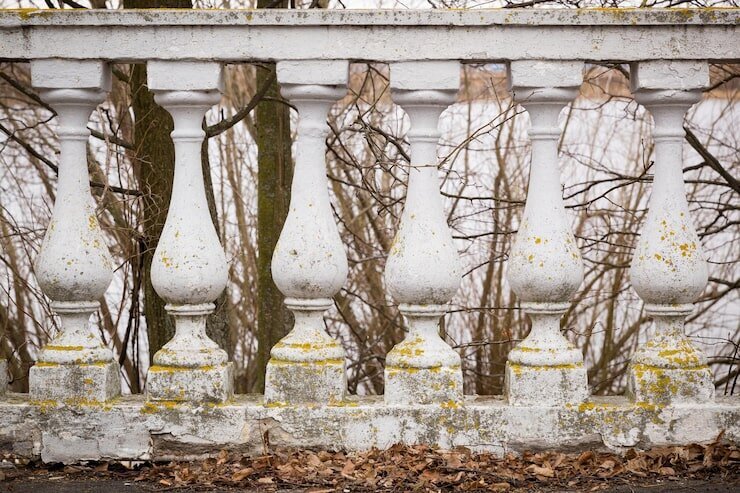
Balusters That Are Loose, Broken, or Missing
Loose or missing balusters create dangerous gaps in your railing system, making it non-compliant with Florida building codes and a real hazard for children and pets.
Florida building code requires that balusters be spaced close enough together that a 4-inch sphere cannot pass through the gap. If even one baluster is missing, bent, or loose enough to rotate by hand, that section of railing no longer meets code. This is one of the most common railing replacement signs on older balcony railings and deck systems, where years of wind exposure and thermal cycling gradually loosen the connections.
Walk along your railing and give each baluster a firm push and pull. If any of them move freely or feel like they could detach, the railing system needs attention before someone leans against it.
Damaged Mounting Points or Post Bases
The connection between your railing posts and the surface they are mounted to is the foundation of the entire system. If this connection is failing, everything above it is at risk.
Inspect the base of each railing post carefully. On concrete surfaces, look for cracks radiating outward from the anchor bolts. On wood decks, probe the wood around the post base with a screwdriver. If the screwdriver sinks in easily, the wood has begun to rot and is no longer holding the post securely. Corroded or loose anchor bolts are another clear indicator that the mounting hardware needs repair or replacement.
In South Florida, post base damage is often the first domino to fall. Water pools at ground-level connections, and the combination of standing moisture and salt air accelerates corrosion at the exact point where the railing needs to be strongest.
When to Replace a Railing vs. Repairing It
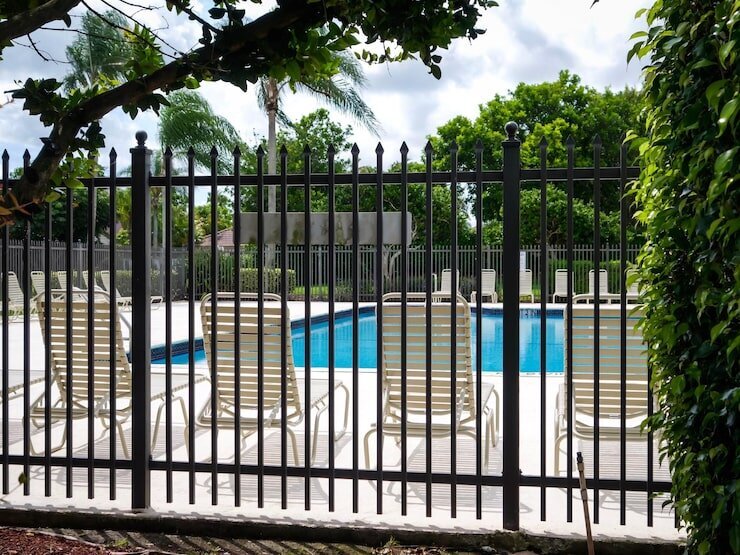
Not every problem calls for a full railing replacement. A single loose bracket or a few surface rust spots can often be addressed with targeted railing repair in Florida by a licensed contractor. But there are situations where replacement is the more practical and safer choice.
Consider replacement when the damage is widespread rather than isolated, when corrosion has eaten into the core of the metal rather than sitting on the surface, or when multiple balusters and posts show the same signs of failure at the same time. If the cost of repairing several components starts approaching the cost of a new system, replacement gives you a railing built to current code standards with materials designed for the Florida climate.
Do Not Wait on Railing Safety
A railing is a safety device first. It is supposed to stop falls, support people on stairs, and keep children and pets safe on elevated surfaces. When you spot wobbling posts, spreading corrosion, cracked materials, missing balusters, or damaged mounting points, those are not things to add to a someday list.
A licensed railing professional can evaluate the full scope of the issue and recommend the right path forward. In South Florida’s climate, catching these warning signs early almost always means a simpler, less expensive fix.
