Call For estimate
Glass Railings
Black Aluminum Railings
Dark & Light Wood Railings
Aluminum Railings
Call (561)672-0717

Knee Wall Railings
Fascia Mount Railings
Indoor Stair & Surface Mount Railings
Outdoor Stair & Surface Mount Railings
Handrails
Standoff-Pins Glass Railing Systems
Glass Railing Post Systems

How to Choose a Licensed Railing Contractor in Pompano Beach
A railing company catches your eye online. The photos look good, the price feels fair, and you are close to saying yes. Hold on one beat first. Is this contractor licensed and insured to do railing work in Florida?
Start with three checks. Confirm the license number with the state or county, ask for a current certificate of insurance, and get proof they have pulled permits near you. Those filters weed out most of the operators who cut corners. Design, materials, and cost all matter, but they come after you know the company is real.
Here is how that vetting works in Pompano Beach, where the coast and Broward County rules add a few wrinkles most homeowners never see coming.
Why Does Hiring a Licensed Contractor Matter in Florida?
Unlicensed railing work can void your homeowners insurance, fail hurricane code, and leave you on the hook for any injury on your property. A railing keeps people from falling, so the state treats it as a safety system, not trim.
Skip the license and the risk moves to you. If an unpermitted railing gives way and someone is hurt, you carry the cost, not the installer. Most unlicensed crews have no coverage and cannot pull permits, so the work never gets inspected.
That missing inspection also becomes your problem later. Undocumented structural work tends to surface during a home sale and slow the closing, and it leaves you without the paper trail you would want for a storm-damage insurance claim.
What Experience Should They Have With Broward Permitting and NOAs?
How Do You Verify a Contractor License in Broward County?
How Do You Read a Contractor's Portfolio and Material Knowledge?
Look for finished coastal jobs like yours, then ask which metal grades and glass types they use near salt water. Real photos answer the experience question faster than any pitch.
Salt air punishes metal, and grade is not a cosmetic detail. Put the wrong stainless near the water and it streaks with rust-colored tea staining inside a year or two. Scanning a company's finished coastal railing projects shows fast if they build in conditions like yours. It is also where hiring a custom metal fabricator in Pompano Beach earns its keep, since a local fabricator already knows what survives this climate.
Which Materials Last in Coastal Pompano Beach?
The grades that hold up here are 316 marine-grade stainless steel, powder-coated aluminum, and tempered or laminated glass. Cheaper grades save money today and cost you in a few years, so the table below lines up the common choices against the document you should ask for.
What Should You Ask Before You Sign?
Ask who pulls the permit, what grade of metal and glass they install, if the panels carry a Miami-Dade Notice of Acceptance, and how payments are scheduled. How they answer shows you how the whole job will run.
A handful of questions to ask a railing installer in South Florida sort the careful companies from the rest. Will you pull the permit, or is that on me? What stainless grade do you use this close to the water? Can I see the engineering documents for the system you quoted? Is the warranty in writing?
Watch the money too. A fair deposit lands between 10 and 30 percent, with the rest tied to milestones and a final payment after inspection. Anyone wanting the full total upfront is showing you the door they plan to walk out of.
The point of the table is the last column. A contractor who names the grade and backs it with paperwork is worth your time. One who calls the product "glass panels" or "metal railing" with no specifics has left room to swap in something cheaper after you sign.
Where to Go From Here
Once a contractor clears licensing, insurance, and Broward permitting, the last step is matching their work to your home and budget. A short conversation usually tells you if they are leveling with you.
To see how these standards play out across homes and condos around Pompano Beach, that local picture is worth a look before you commit. With your questions in hand, you can walk through your project with a local railing team and weigh their answers against everything here.
Look the license number up through the Florida DBPR and Broward County's Board of Rules and Appeals. Both let you search online in under a minute. A real company gives you that number without a fuss.
Florida licenses contractors at the state level, but Broward adds its own registration and building rules through local code. Get the number and check it yourself instead of trusting a screenshot.
Ask for a current certificate of insurance too, with general liability and workers' compensation for everyone on the crew. People forget the workers' comp piece, and it is the coverage that shields you if someone is hurt on the job. Reputable local outfits list their team and credentials openly, so the background a contractor shares about its licensing and crew makes a fast gut check.
They should have pulled railing permits in Broward and be able to hand you a Notice of Acceptance for the products going on your home. An NOA is Miami-Dade's product approval showing a material passed High-Velocity Hurricane Zone testing, and Broward inspectors honor it.
A blank look at the words NOA or permit tells you plenty. Permits trigger inspections, and inspections are what protect you. The crews that dodge permits usually cannot produce engineering documents either, because the hardware they buy was never tested for this stretch of coast.
Why Wind-Load Knowledge Is Not Optional Here
Pompano Beach falls inside a High-Velocity Hurricane Zone, so railings must resist far more wind pressure than anything built inland.
A railing made for a deck in Orlando will not clear inspection on the coast. Wind-load numbers decide post spacing, anchor depth, and metal grade. An installer who cannot walk you through those calculations is guessing, and a guessed railing is the one that pulls loose in the first real storm.
We provide free estimates and service South Florida - Palm Beach County, Broward County and Miami-Dade County. All of our material is available & in stock making, turnaround time currently at 2-3 weeks (subject to change) for installations and for shipping orders within 5 business days in US & abroad.
Modern Railing Co has top quality material, industry experience, dedication to service, make us different than others. We will deliver your expectations!
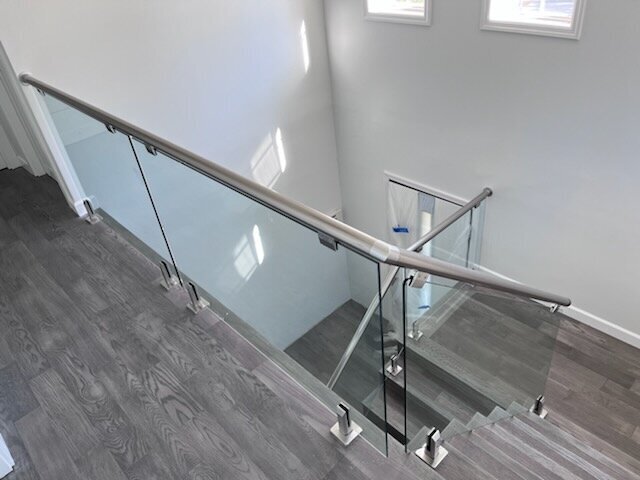
Modern Railing Co's aluminum railing & glass railing systems are available in various styles to complement residential and commercial settings. Main features include:
* Strong and durable construction (weatherproof)
*3/8 & 1/2 inch Tempered Glass
*9/16, 11/16 and 13/16 Laminated Tempered Glass
* Extremely long service life
* Unique finish (anodizing) which fulfills high quality standards (doesn't rust or corrode).
* High resistance to UV radiation (doesn't flake or crack)
* Flexible designs
* Easy maintenance
* All items are in stock
Request a Quote
South Florida GLass & Aluminum Railings
Check out our reviews on Google
About US
(561)672-0717
info@modernrailingco.com
980 North Federal Highway Suite 110
Boca Raton, FL 33432
Shipping Available in the US & Installation in South FLorida.
Contact Us