

Cable Railing Installation in South Florida
Cable railings use slim stainless steel cables between structural posts to protect an open edge without heavily blocking the view. They work well on decks, balconies, stairs, porches, landings and commercial properties. A cable railing can be installed during new construction or used to replace an older wood, glass or metal system. Before installation, the supporting structure, post locations, mounting surface and surrounding finishes need to be reviewed.
The right system depends on where it will be installed and how the property is used. Horizontal cable is the most familiar layout, while vertical cable may be preferred for a different appearance or on properties where climbability is a concern.
Cable Railing Options Available in South Florida
| Priority | Common Choice | Main Consideration |
|---|---|---|
| Open View | Horizontal Stainless Steel Cable | Cables need correct spacing and tension |
| Vertical Appearance | Vertical Cable Infill | Requires suitable top and bottom rails |
| Coastal Exterior | Type 316 Stainless Cable | Still needs rinsing and inspection |
| Black Framing | Powder-Coated Aluminum Posts | Coating damage should be repaired |
| Warmer Residential Design | Wood Posts with Cable | Wood needs more maintenance |
| More Deck Space | Fascia-Mounted Posts | Requires a sound structural edge |
| Interior Stairs | Black or Stainless Posts with Cable | Stair angles need precise fabrication |
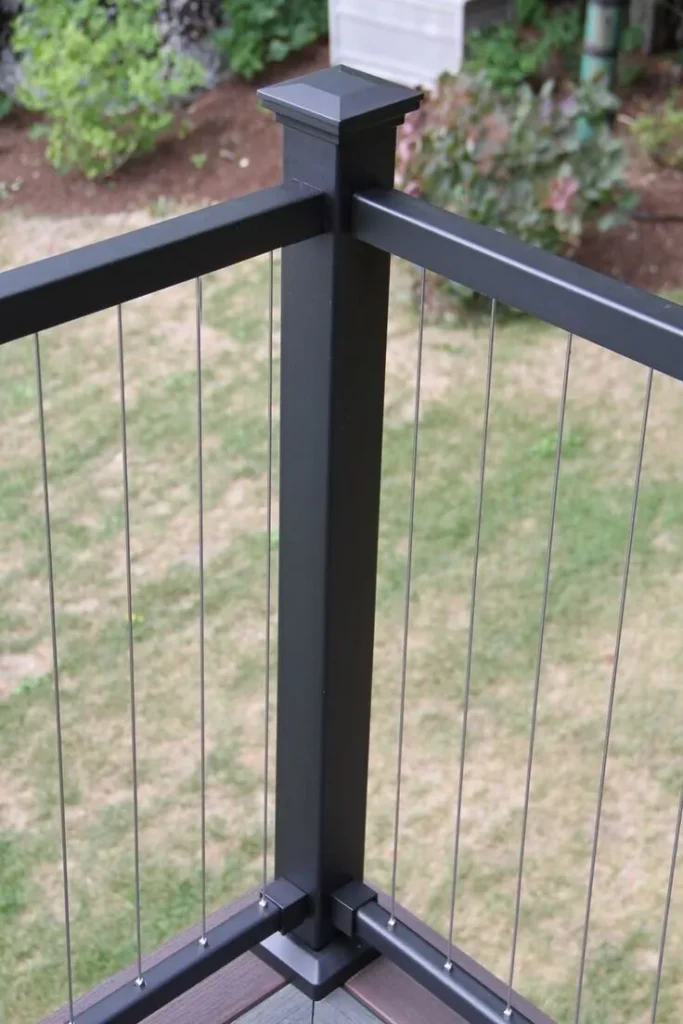
Horizontal or Vertical Cable Railings
Horizontal and vertical systems both keep the view open, but they use different framing and tensioning layouts.
Horizontal Cable Railings
Horizontal cables run between end posts and pass through intermediate posts along the railing.
This layout works well on decks, balconies, porches, landings and straight stair runs. The thin horizontal lines remain less visually prominent than pickets while allowing air to move through the railing.
The end posts need enough strength to resist the combined tension from every cable. Intermediate posts help control deflection but do not replace properly reinforced termination posts.
Horizontal cable may also create footholds for young children. Families can consider vertical cable, glass or pickets where climbing is a concern.
Vertical Cable Railings
Vertical cables run between a top and bottom rail rather than from one end of the railing to the other.
This creates a profile closer to traditional vertical pickets while retaining the lighter appearance of cable. Vertical cable can be used on level runs and stairs, although the frame needs suitable top and bottom members to receive the tensioning hardware.
The final choice comes down to appearance, framing, property use and the approved system rather than one direction being universally better.
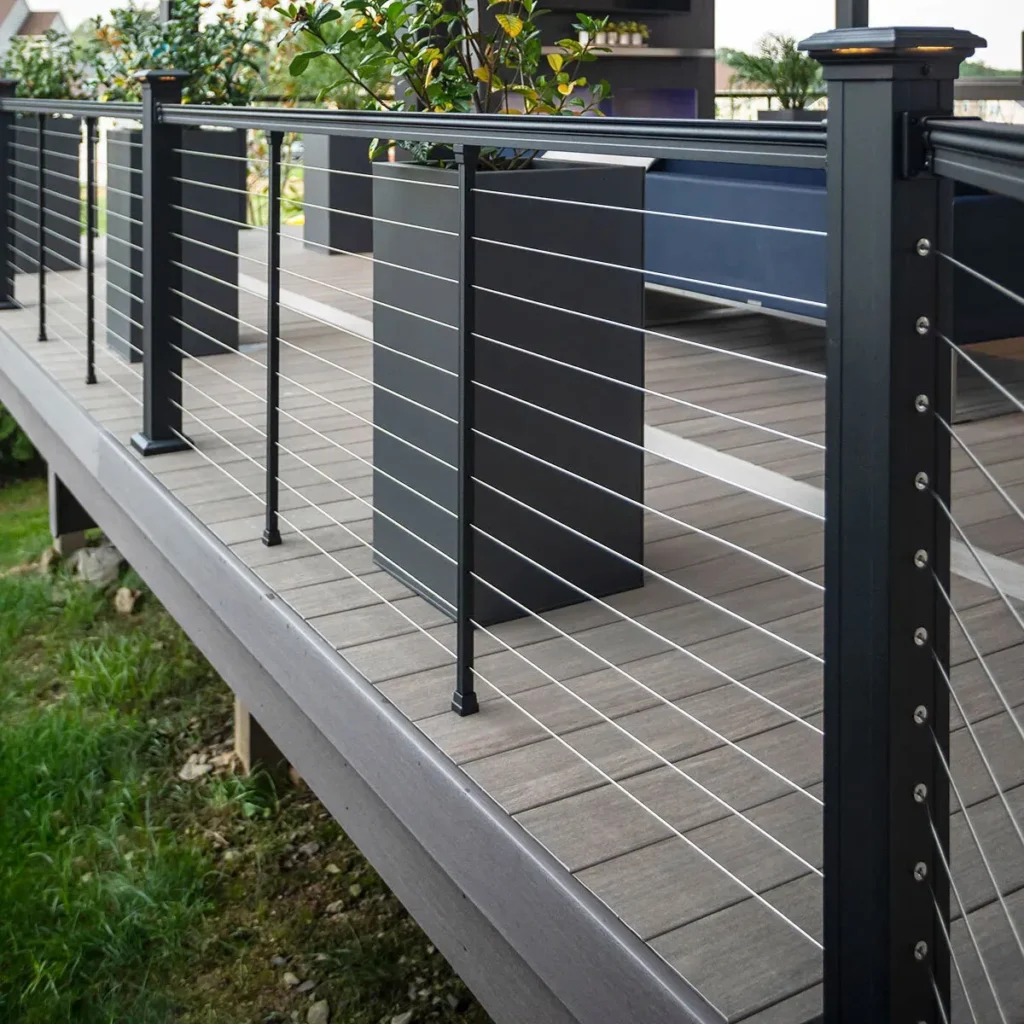
Cable Railing Frame and Post Options
Cable is the infill between posts. The posts, rails, fittings and anchors create the structural frame that carries the load.
Aluminum Cable Railings
Powder-coated aluminum railings can be combined with stainless steel cable for a lighter exterior system.
Aluminum posts are available in round or square profiles and several finishes, including black and wood-look options. Black cable railing frames are commonly used on modern decks, balconies and stairs.
The coating should remain intact around drilled openings, base plates and fasteners. Scratches or chips should be repaired before salt and moisture collect around the exposed area.
Stainless Steel Cable Railings
Stainless steel railings can use stainless posts, handrails, cables and fittings for a consistent metal finish.
Type 304 stainless steel may suit interior and sheltered installations. Type 316 provides better resistance to chlorides and is generally more appropriate for exterior South Florida properties near the ocean or a pool. Brushed finishes tend to show fewer fingerprints than highly polished surfaces, although both require periodic cleaning.
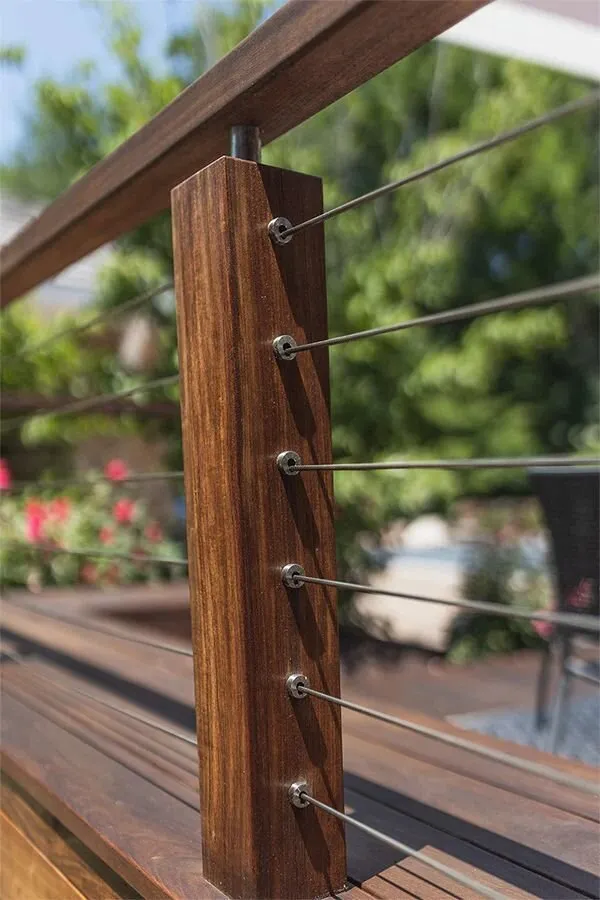
Wood and Cable Railings
Cable can be installed through reinforced wood posts on some residential decks and interior stairs. The wood frame needs enough strength to resist cable tension without bending or pulling the end posts inward. Blocking, larger termination posts or additional bracing may be required.
Wood creates a warmer appearance but needs more maintenance than aluminum or stainless steel. Moisture damage, movement and splitting around drilled cable openings should be checked over time.
Surface-Mounted and Fascia-Mounted Cable Railings
Surface-mounted posts sit on top of the deck, stair tread or landing. Base plates are anchored into the concrete, steel or wood framing beneath the finished surface.
This method is common on residential decks, concrete landings and interior stairs. The base plates remain visible and use some of the available walking area.
Fascia mounting attaches the posts to the outside edge of the deck, balcony or landing. It keeps more floor space open and moves the cable line beyond the walking surface.
Fascia mounting requires:
- A sound structural edge
- Enough depth for the anchors
- Access to the outside face
- Proper post reinforcement
- Coordination with waterproofing
- Suitable corner and termination details
The structure should be reviewed before either mounting method is selected.
Can an Existing Railing Be Replaced With Cable?
Yes, an existing railing can often be replaced with cable without rebuilding the deck, balcony, or staircase.
The existing system is removed so the mounting surface and structure can be inspected. Old post locations may not work for cable because the frame needs posts at the correct distances and stronger support at cable terminations.
The site review should check:
- Existing anchors
- Concrete cracks or spalling
- Wood framing and blocking
- Deck-board condition
- Stair and landing geometry
- Waterproofing around balcony posts
- Tile or stone around mounting points
- Areas that may need patching
A repair or replacement review can determine whether the full system needs to be removed or whether sound posts and framing can remain.
Cable Railing Installation After Deck or Concrete Work
Cable railing installation is often part of a larger deck renovation, balcony restoration, or stair remodel.
The finished structure should be established before the new railing is measured. Changes to the deck edge, stair width, waterproofing, or concrete profile can affect the post locations and cable lengths.
The railing contractor and other trades should coordinate:
- Final deck or balcony dimensions
- Post and anchor locations
- Framing or blocking
- Concrete curing time
- Waterproofing details
- Finished flooring thickness
- Drainage paths
- Areas that need to remain accessible
Cable should not be ordered before the final distance between termination posts is known. Even small dimensional changes can affect the cable fittings and adjustment range.
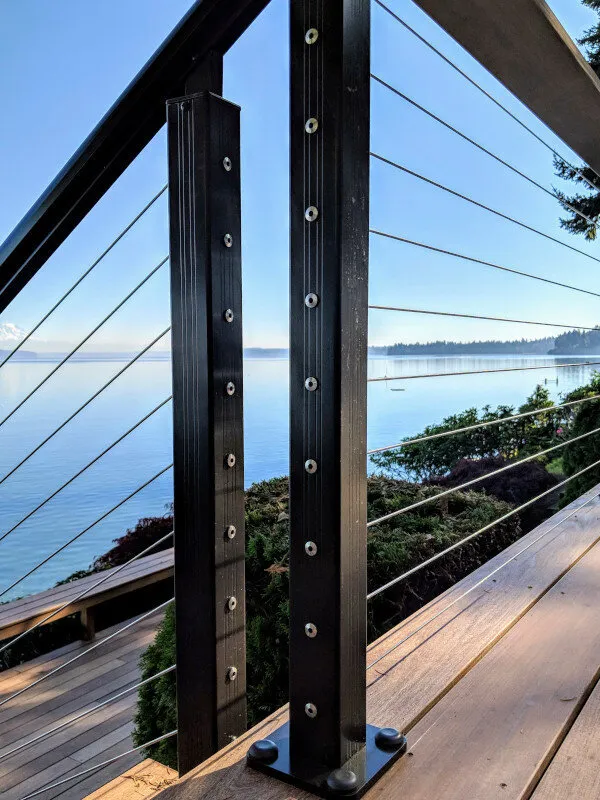
Coastal Exposure and Corrosion in South Florida
Salt air, pool chemicals, and humidity affect cables, posts, fittings, and anchors. Type 316 stainless steel is commonly selected for exterior cable because it provides greater chloride resistance than Type 304. Direct saltwater splash and areas where salt remains trapped can still cause staining or corrosion, even on Type 316.
Coastal cable railings should be:
- Rinsed with fresh water
- Cleaned with mild soap
- Checked around fittings and post holes
- Inspected for tea staining
- Kept clear of standing water
- Reviewed for loose or damaged hardware
- Retensioned when needed
Avoid carbon-steel brushes or wool, which can leave particles that later rust on the stainless surface. More frequent coastal corrosion protection may be needed on waterfront balconies, exposed decks, and poolside installations.
Cable Spacing, Post Spacing and Tension
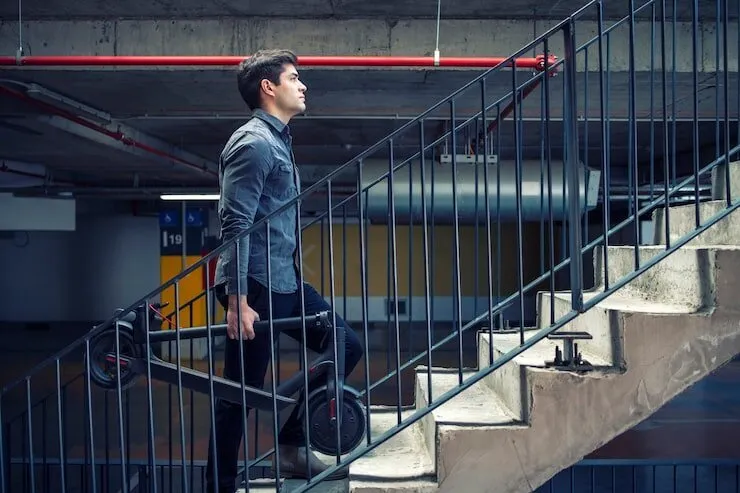
Cable spacing, post spacing and tension work together. A narrow cable gap does not solve the problem if the posts are too far apart or the cables remain loose. Florida residential guards generally cannot have openings that allow a four-inch sphere to pass through. Because cable is flexible, the system must also account for deflection when pressure is applied.
Many cable manufacturers recommend spacing horizontal cables around three inches apart, but this is system guidance rather than one universal code dimension. The final layout depends on:
- Cable diameter
- Horizontal or vertical direction
- Post spacing
- Intermediate supports
- End-post strength
- Cable tension
- Railing height
- Stair angle
- Tested system details
Cable manufacturers also note that individual lines may carry several hundred pounds of tension. The combined force can bend weak end posts or pull them out of alignment.
Cables should remain firm without being overtightened. Excessive tension can damage posts, threads and fittings, while loose cable may create openings that are too large.
Cable Railing Requirements and Approvals in South Florida
As of July 2026, the Florida Building Code, Eighth Edition, from 2023 remains the effective statewide code while the Ninth Edition continues through development.
Cable railings are reviewed as complete guard systems. The cable material alone does not establish compliance.
A project may need to address:
- Guard height
- Opening limitations
- Cable deflection
- Post and rail strength
- Concentrated and linear loads
- Stair handrail requirements
- Structural anchors
- Wind exposure
- Engineering
- Permit drawings
- Association approval
- Final inspection
The Florida Building Code requires guards and their infill components to resist applicable structural loads. End posts, intermediate posts, cables, fittings and anchors all contribute to that performance.
Condo and commercial projects may also require product information, finish samples and approval from the building manager or engineer before fabrication.
What Affects Cable Railing Cost in South Florida?
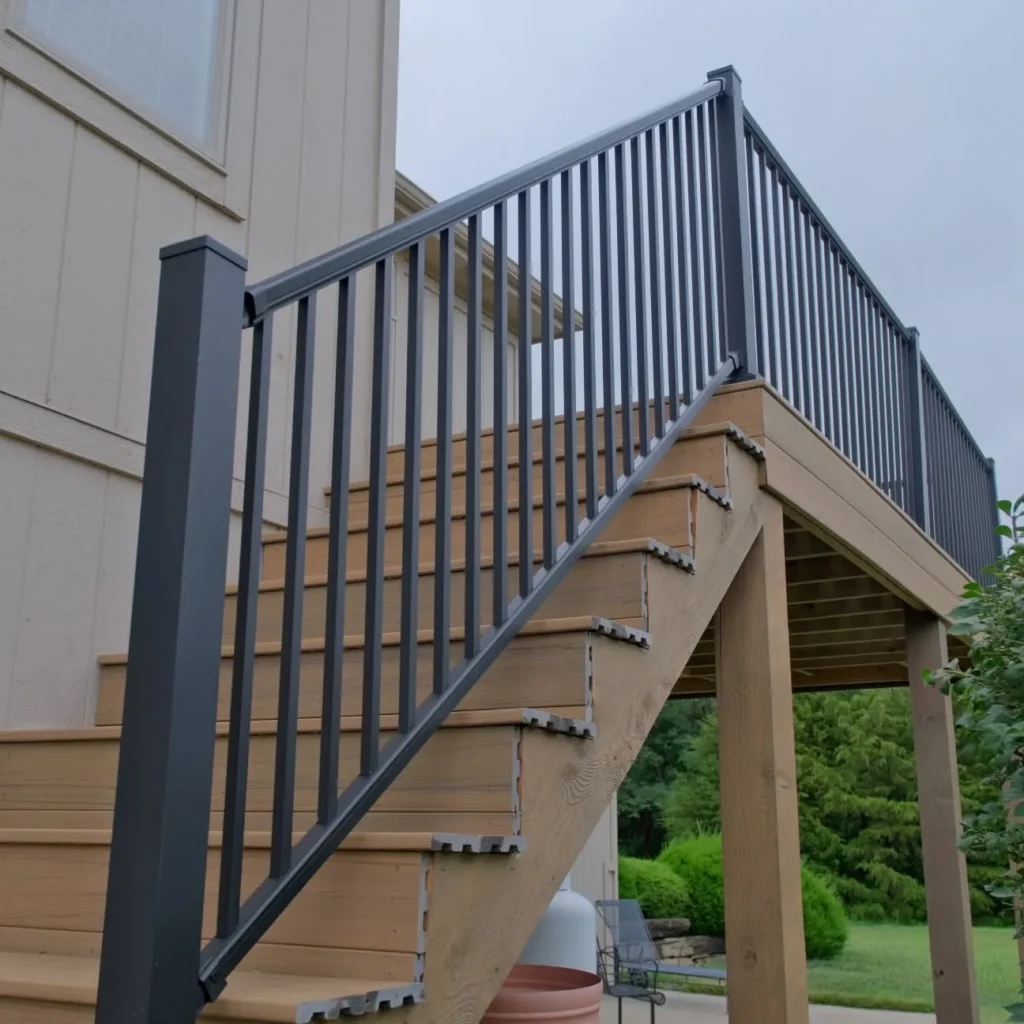
Cable railing cost depends on the frame, cable layout, fittings and site conditions rather than footage alone.
Main factors include:
- Total railing length
- Horizontal or vertical cable
- Number of cable rows
- Aluminum, stainless steel or wood posts
- Type 304 or Type 316 cable
- Post spacing
- Number of termination fittings
- Stairs, corners and landings
- Gates
- Surface or fascia mounting
- Custom top rails
- Existing railing removal
- Concrete or framing repairs
- Engineering and permits
- High-rise or restricted access
A straight horizontal system on a level deck is usually more straightforward than a cable stair railing with several turns and custom termination points.
Cable railing cost per foot can be misleading if the quote excludes posts, top rails, fittings, demolition or structural preparation. Ask for a written scope that identifies the full system
Home, Condo and Commercial Cable Railing Projects
Residential cable railing projects commonly include decks, porches, interior stairs, upper landings and balconies.
Cable deck railings need framing that can carry the post anchors and cable tension. Wood decks may require blocking or larger end posts before the railing is installed.
Cable stair railings require precise angles and properly placed handrails. The cable line should follow the stair without creating oversized openings around the treads or landings.
Cable balcony railings may require additional review for wind exposure, waterproofing, and exterior corrosion.
Condo, hotel, and larger commercial railing projects may also involve:
- Engineering
- Permit documents
- Finish samples
- Resident or guest notices
- Phased installation
- Elevator reservations
- Restricted working hours
- Temporary barriers
- Coordination with restoration work
Areas We Serve in South Florida
What to Send for a Cable Railing Estimate
Send:
- Photos of the full railing area
- Close photos of the mounting surface
- Approximate linear footage
- Photos of stairs, corners and landings
- The property type
- Interior or exterior use
- Horizontal or vertical cable preference
- Preferred post material and finish
- Details about the existing railing
- The deck, stair or balcony structure
- Any visible cracks or movement
- HOA or building requirements
- Access restrictions
For exterior projects, mention whether the property is near the ocean, Intracoastal or a swimming pool.
These details help identify the likely post system, cable grade, mounting method and approval process before a site visit
Request a Cable Railing Quote in South Florida
Send us photos, approximate measurements, the property type and your preferred cable direction, post material and finish.
Include details about the existing railing, mounting surface, stairs, corners, coastal exposure and any building requirements. The structure and layout can then be reviewed before the system is finalized.
Call 561-672-0717 or email info@modernrailingco.com.
Frequently Asked Questions
Does a Cable Railing Need a Top Rail?
Yes. The top rail helps stabilize the posts and resist the combined tension from each cable run. It may also serve as a handrail when its height and profile meet the requirements for that stair.
Can Cable Railing Be Used Around a Swimming Pool in Florida?
Possibly, but it must qualify as an approved pool barrier rather than only a guardrail. Florida rules address barrier height, openings, climbable features and self-closing, self-latching gates, which can limit the use of horizontal cable beside a pool.
Can the Cables Serve as a Handrail on Stairs?
No. The cables are infill and are not designed as a graspable handrail. A separate rail or suitable top rail must be positioned within the required height range and provide a continuous gripping surface.
Can a Privacy Screen Be Attached to Cable Railing?
Not without reviewing the railing and attachment method. Fabric, panels and dense screening can catch wind and transfer loads into posts and anchors that were originally designed for open cable infill. This is particularly important on South Florida balconies and rooftops.
Will Cable Railing Reduce Wind on a Balcony?
No. Air passes freely between the cables, so the system provides little wind protection. Glass or another approved solid infill may be more appropriate when reducing wind is part of the project goal.
Can Cable Railing Be Installed Inside a Screened Lanai?
Yes, when the posts connect to concrete, framing or another structure designed to carry the railing loads. Insect screening alone cannot act as a guard, and lightweight screen-enclosure members may need additional structural review.
